Multimedia - Komisja Nadzoru Finansowego

O KNF
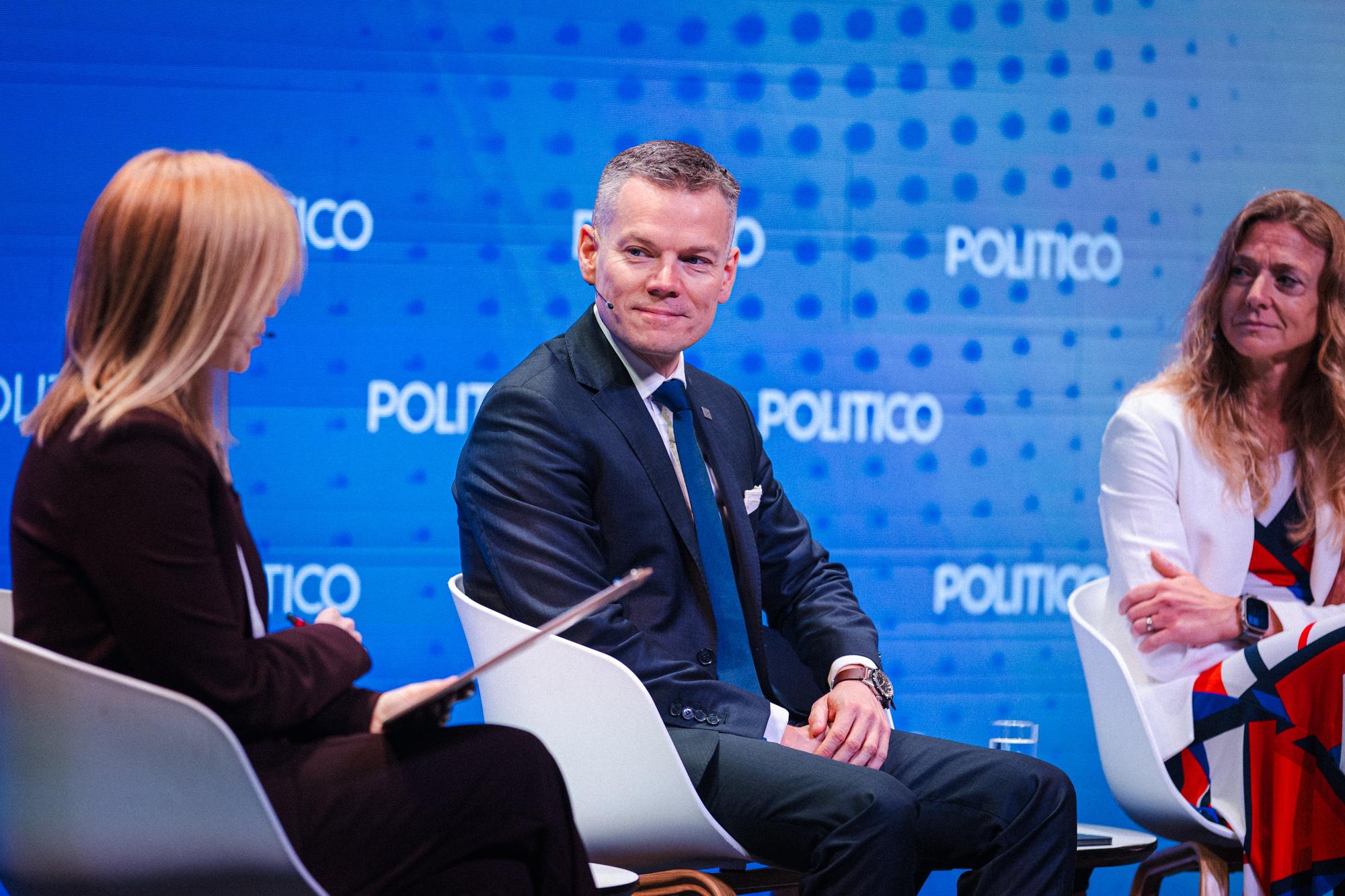
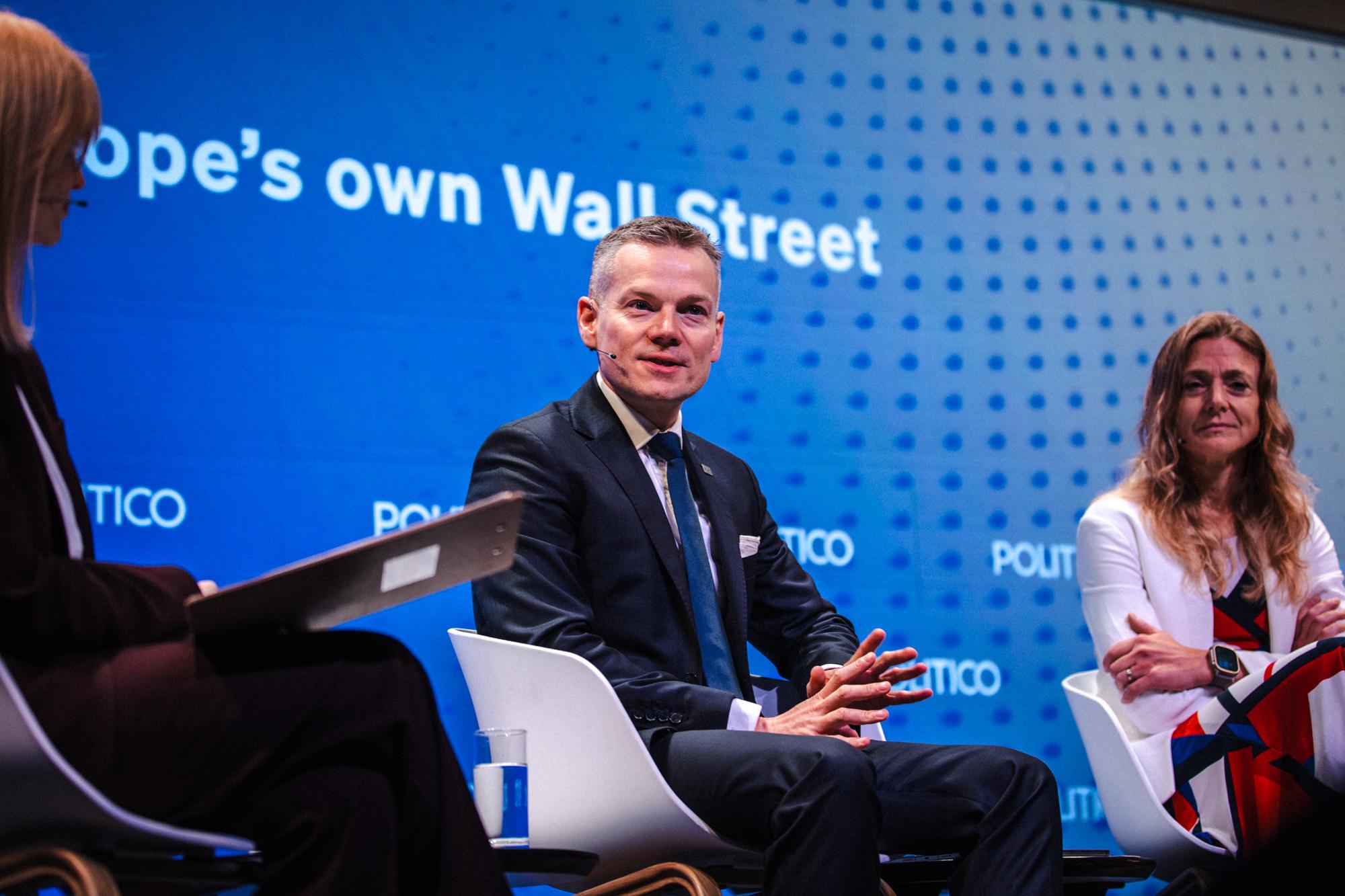
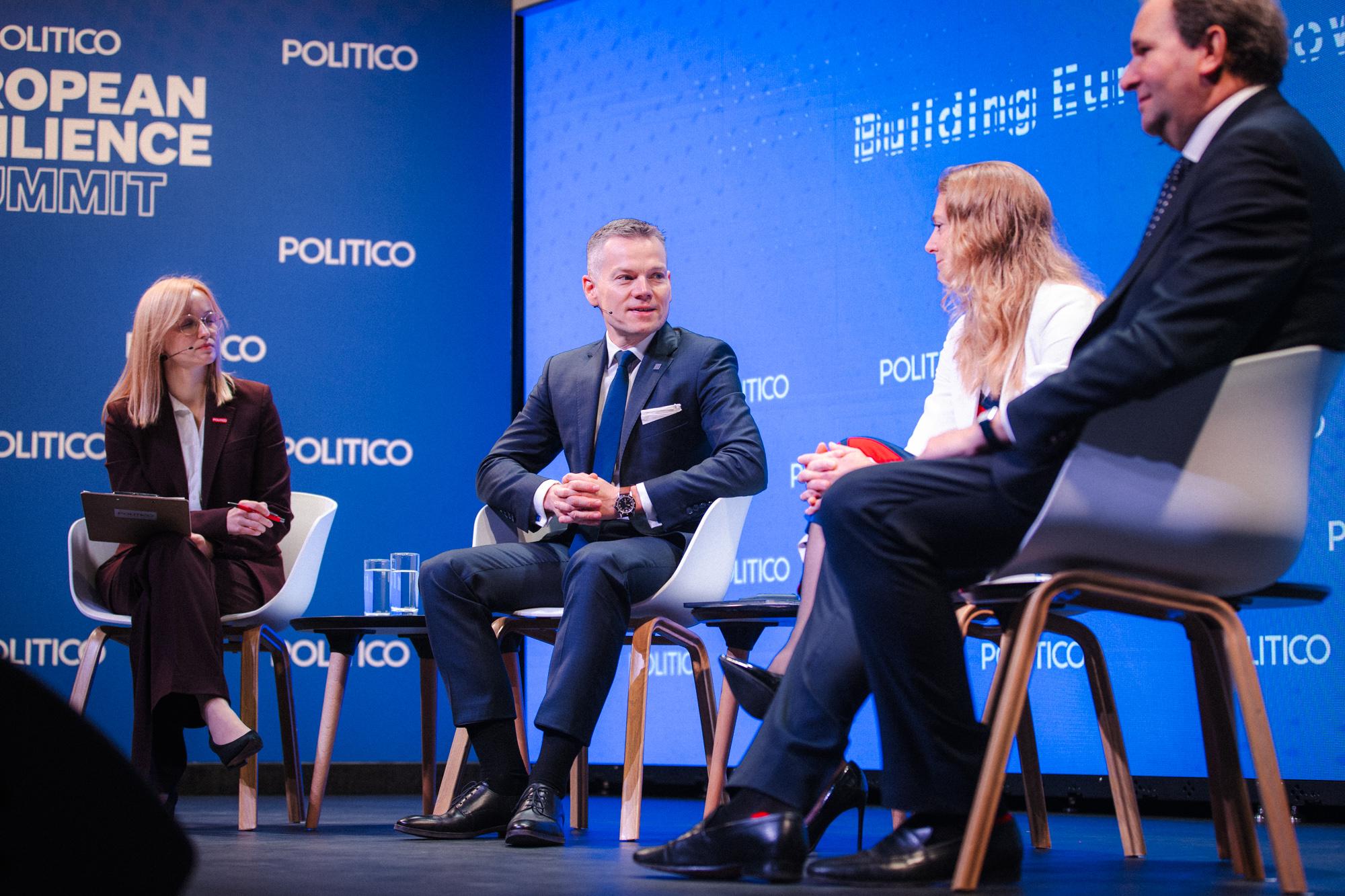
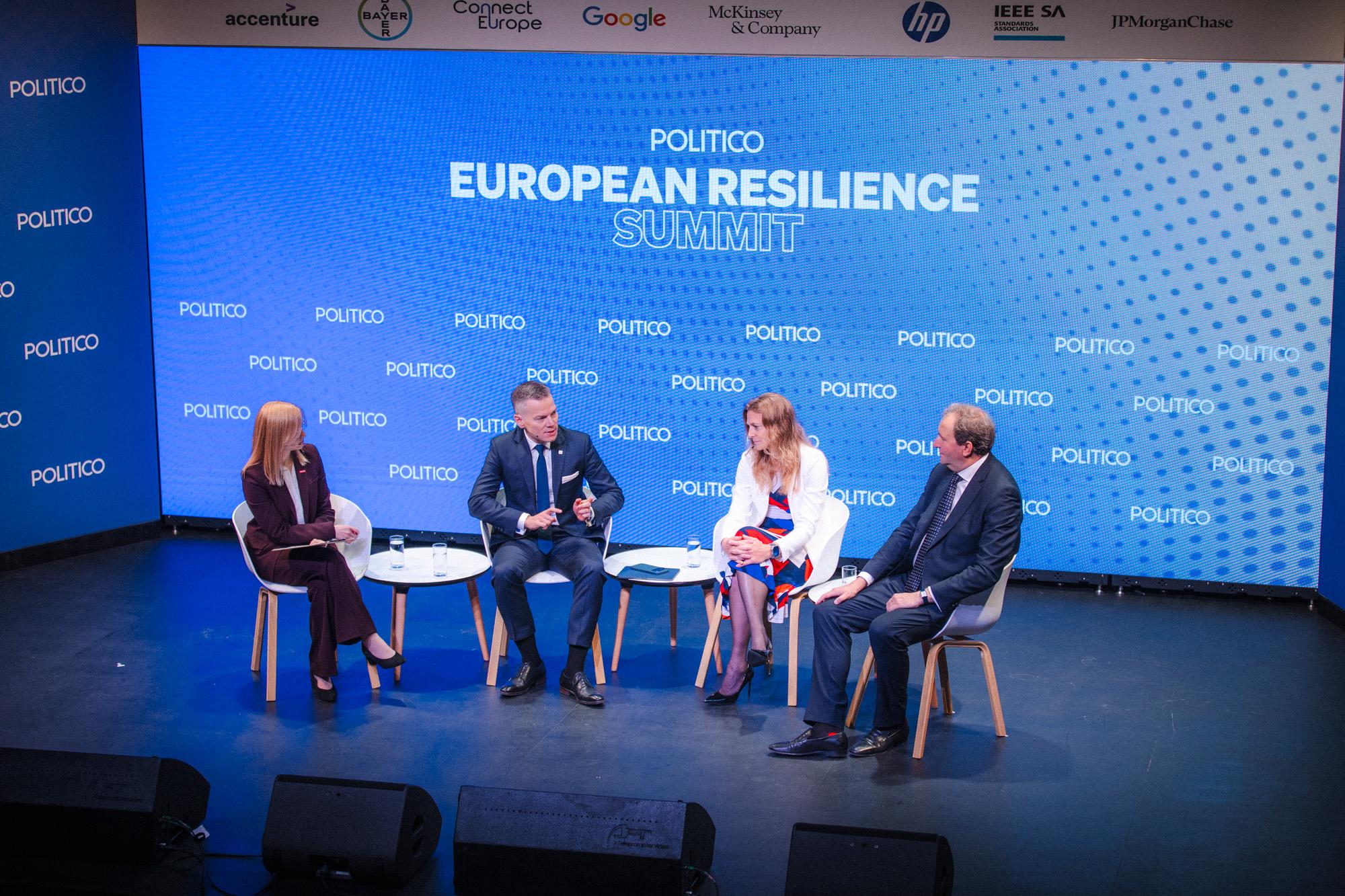
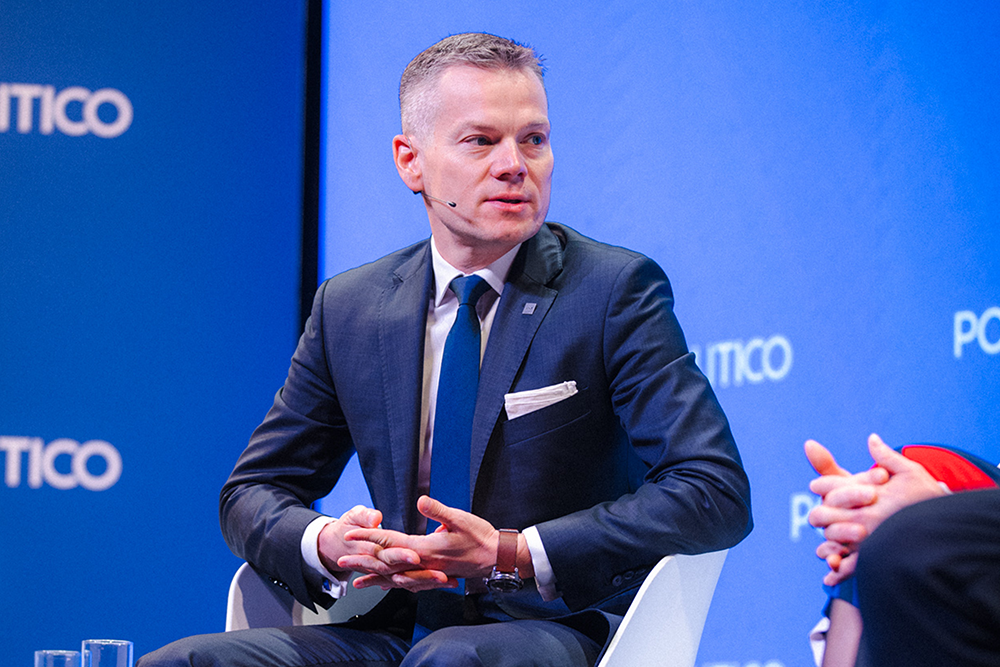
Jacek Jastrzębski at POLITICO’s European Resilience Summit
Jacek Jastrzębski, Chair of the KNF Board – together with Paulina Dejmek Hack, Director General at DG FISMA and Daniel Rudnicki Schlumberger from J.P. Morgan – took part in the panel discussion “Let’s Talk Money: EU’s Resilience Hangs on Its Balance Sheet” at the European Resilience Summit, organised by POLITICO. The panel was moderated by Kathryn Carlson from POLITICO.
The discussion focused on how Europe can mobilise its private savings to finance its strategic ambitions, strengthen competitiveness and close the estimated €800 billion annual investment gap.
Bringing the Polish perspective to the debate, Jacek Jastrzębski stressed that Europe’s financial resilience depends not only on the availability of capital, but also on its effective allocation to productive investment. He highlighted the need to make capital markets more accessible to and more popular among the general public by offering a broader range of relatively simple financial instruments that carry risks investors can understand and that are delivered with a transparent cost structure.
While investor education and risk awareness remain essential, he observed that past efforts to raise awareness of market risks may also have contributed to excessive risk aversion among the public. As a result, many continue to favour bank deposits or real estate rather than investing in capital markets, limiting the potential for their savings to support economic growth, while those with a higher risk appetite may be tempted by alternative assets that do not really fund investment needs of the economy. Ultimately, we end up with insufficient levels of market-based funding.
He also underlined the importance of well-developed pension systems in building deep and vibrant capital markets, pointing to examples of the United States and Sweden. Given their long investment horizons, pension savings could play a greater role in financing growth companies and private markets. Poland is exploring ways to facilitate this, including the possibility of directing a portion of retirement savings towards growth investments. Jastrzębski noted, however, that these markets require appropriate expertise and risk-management capabilities. Solutions such as funds of funds could help institutional investors, including pension funds, access private markets without the need to develop all the necessary capabilities in-house.
He highlighted that access to funding is only one of the reasons for Europe’s challenges in scaling up innovative businesses. The broader business environment matters too, including established legal frameworks, standardised documentation, tax solutions and a well-developed investor community. These elements can make it easier for companies to attract investment and expand, as demonstrated by the experience of successful businesses founded by Polish entrepreneurs that have sought capital and a supportive business environment in the United States.
Addressing the future of European financial integration, Jacek Jastrzębski emphasised the importance of having both globally competitive financial institutions and strong local and regional players. Each of these groups may require a tailor-made and adequately calibrated regulatory and supervisory environment. Therefore, on the one hand, Europe needs a regulatory and supervisory framework that allows institutions with global ambitions to grow and compete internationally; on the other hand, we should ensure that smaller institutions can continue to serve regional or local businesses, including small and medium-sized enterprises, effectively. The challenge is to create a framework that accommodates both objectives, recognising that local businesses do not always need the services of global financial institutions, but are often better served by local providers.
Jastrzębski also pointed to the importance of strengthening the financial sector’s operational resilience. Referring to the EU’s Digital Operational Resilience Act (DORA), he highlighted the value of greater awareness of financial institutions’ reliance on external service providers, particularly in areas such as cloud computing and artificial intelligence. Understanding dependencies on these providers, as well as the associated data protection, cybersecurity and concentration risks, is an important element of safeguarding the stability of the financial ecosystem.
Concluding his remarks, Jacek Jastrzębski highlighted the complementary roles of European integration and regional cooperation in strengthening economic resilience. European integration and regional cooperation should reinforce one another. Drawing on Poland’s experience and perspective as a major Central and Eastern European economy, he stressed the value of bringing different national experiences and viewpoints into European policymaking.
In his view, the resilience of the European economy requires both financial institutions large enough to finance Europe’s strategic needs, including defence, energy transformation and innovation, and a diversified ecosystem of smaller institutions serving local markets. Decentralisation and diversification are per se resilience-enhancing factors. They strengthen the resilience of the financial system by reducing dependence on a limited number of institutions or providers.