Multimedia - Komisja Nadzoru Finansowego

COMMUNICATION
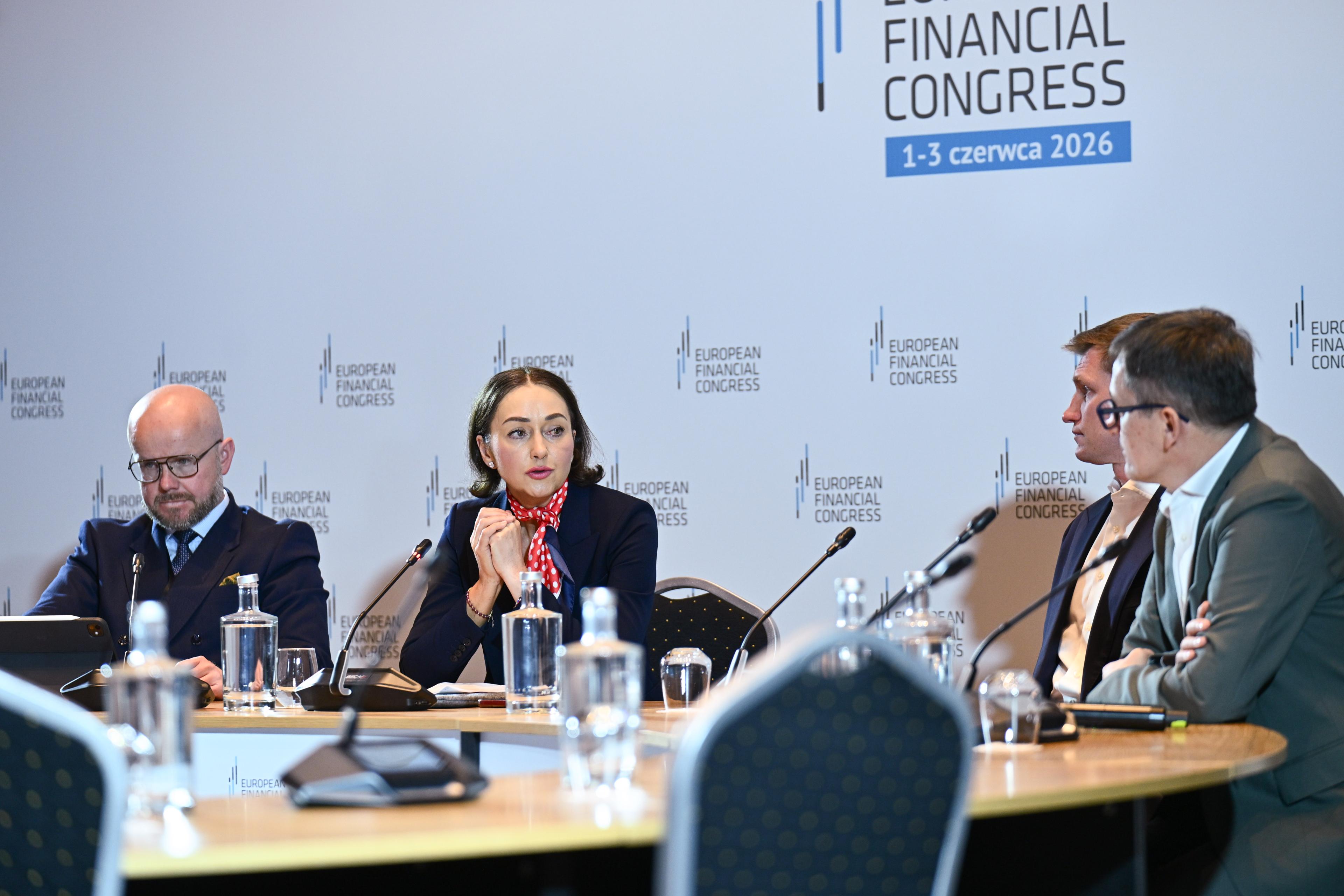
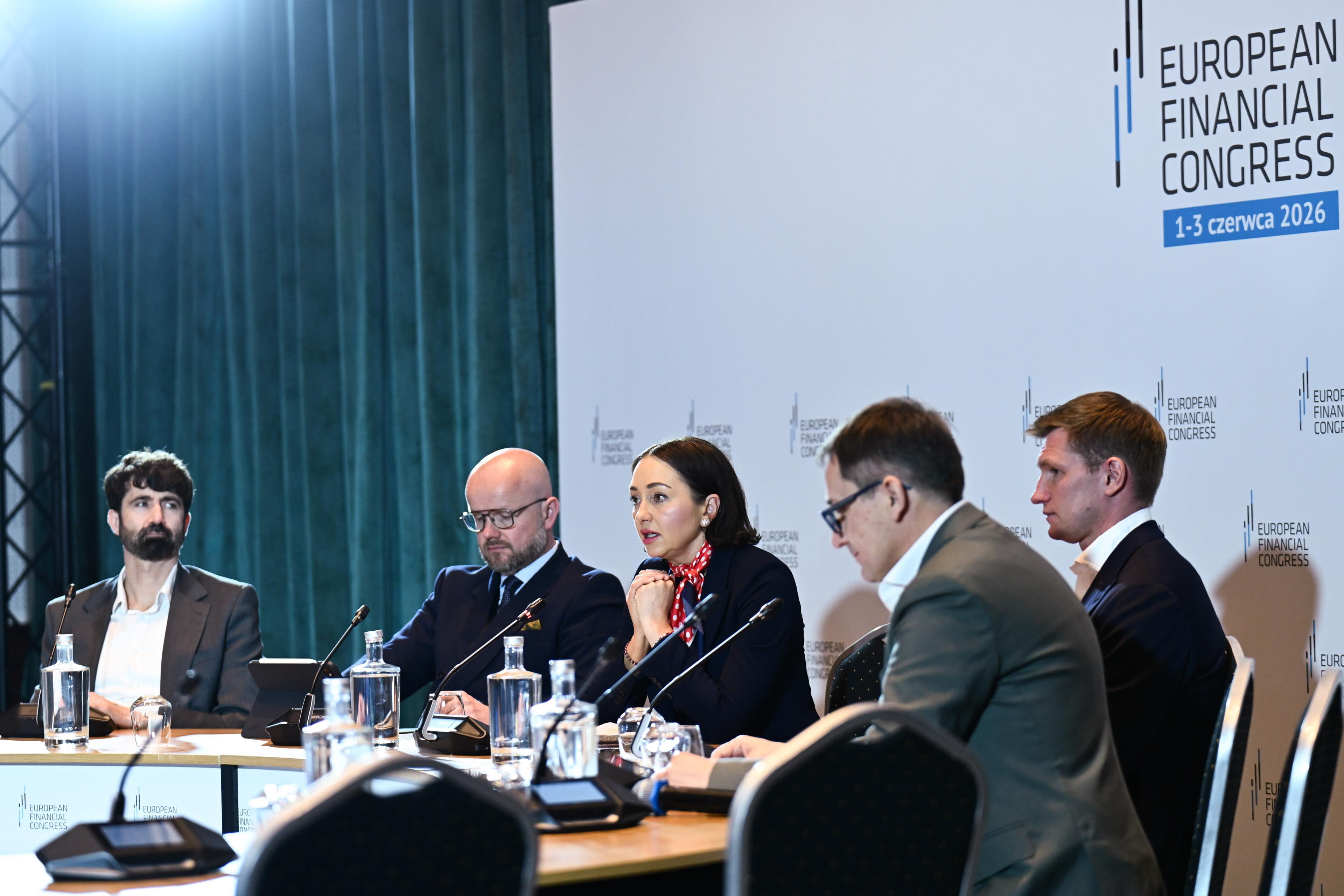
Agnieszka Beata Kowalska spoke at the EFC panel on consumer credit
Agnieszka Beata Kowalska – Director of the Non-Bank Lending Institutions Department at the UKNF, took part in a panel titled ‘Consumer credit redefined: consequences for consumers, financial institutions and system stability’ at the European Financial Congress. The debate focused on the new architecture of the market: availability of financing, safety for consumers, and financial system.
The leitmotiv in Agnieszka Beata Kowalska’s contribution was the need to restore balance between consumer protection and availability of financing. Client protection remains the cornerstone of consumer credit market regulations, but the financial market can only develop when the interests of consumers and financial institutions are properly balanced. Excessive regulatory burdens or imprecise rules may bring counterproductive effects: limitation of competition, decreased availability of loans, and expansion of grey economy.
The second key aspect of Ms. Kowalska’s contribution was the importance of quality of law. The new Polish act on consumer credit should build on the experience of the last fifteen years of market operation and it should address real problems that emerged in the market throughout this period. Coherence and clarity of regulations is particularly relevant in the context of law-making. Unclear and imprecise regulations cause uncertainty both for businesses granting consumer credit and for clients, and consequently erode confidence in the state and the financial market. It is also an issue for supervisory authorities. Stability of the sector requires legal predictability, not interpretative chaos.
The call for a more realistic approach to creditworthiness assessment was another important point. The consumer credit market is very varied and identical requirements cannot be applied to a specific-purpose loan for several hundred zloties and to a short-term loan for a small sum of money. Regulations should take into account the scale of risk and nature of a specific product as overly strict rules could lead to the exclusion of certain clients from the legal financial market.
The strongest claim that reverberated was, however, that excessive regulations might paradoxically work to the detriment of consumers. Tightening requirements for non-bank institutions has led to a considerable limitation of the number of entities in the market and a decrease in the number of clients who receive financing. Those excluded clients are pushed out to the grey economy, which is beyond any control of the state and beyond any regulatory protection. Consequently, a client who was supposed to be protected by regulations could find themselves in an even worse position.
Agnieszka Beata Kowalska also pointed to the fact that the state and the supervision authority can help clients only when the clients stay within the legal financial market. If consumers are pushed out of that market, public institutions lose their ability to monitor the situation of such consumers and to respond quickly to fraud. For this reason, the purpose of regulations should not be merely to contain risk but also to maintain the availability of legal forms of financing for disadvantaged people.
In the final part of her contribution, the speaker called for cooperation between public administration, supervision authorities, and market participants. The implementation of new EU regulations is seen as a unique opportunity to organise the entire consumer credit system for many years. The success, however, depends on creating the law that would be transparent, predictable, growth-oriented and truly consumer-oriented. Agnieszka Beata Kowalska has declared that the UKNF fully supports the work on new regulations on consumer credit.