Multimedia - Komisja Nadzoru Finansowego

COMMUNICATION
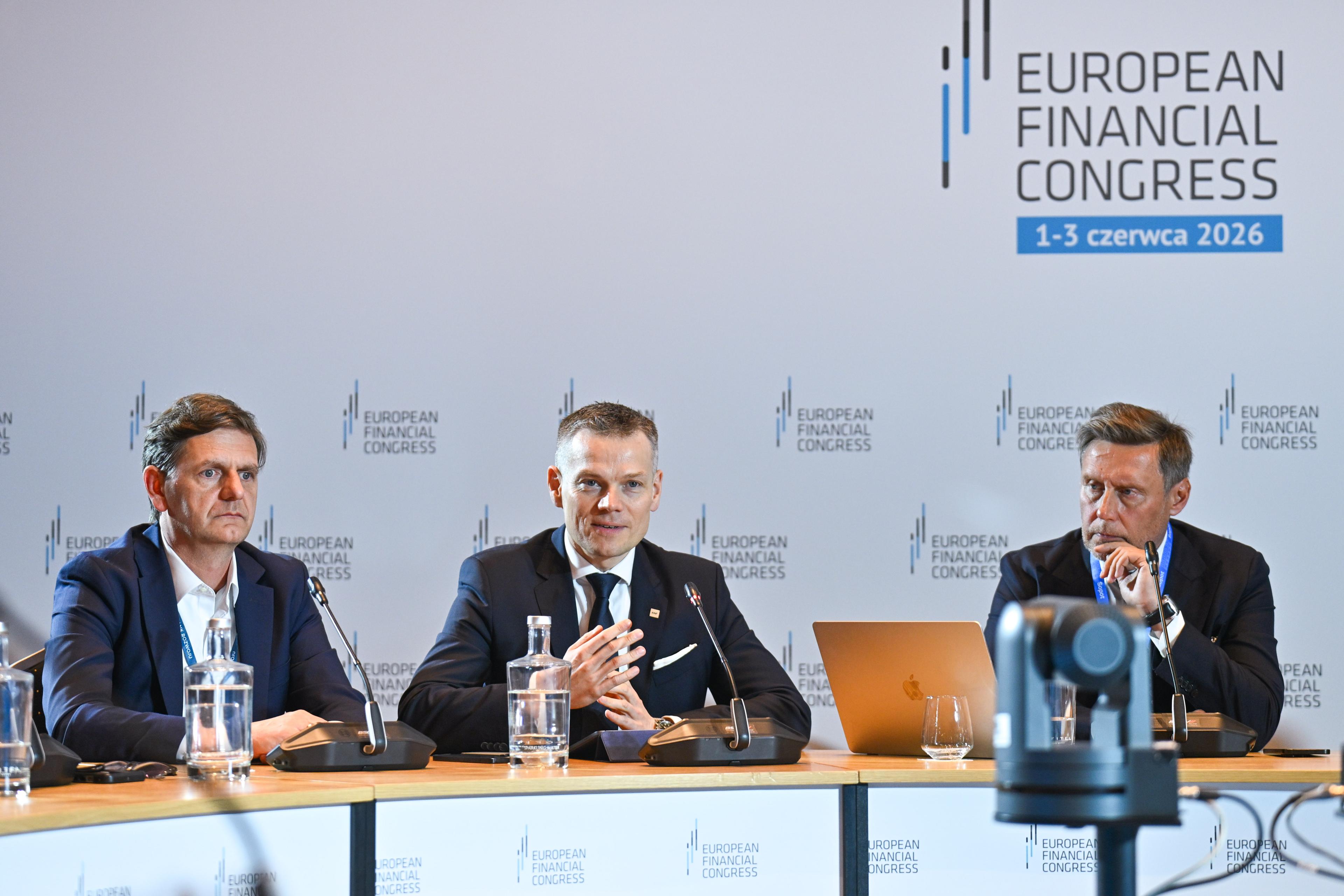
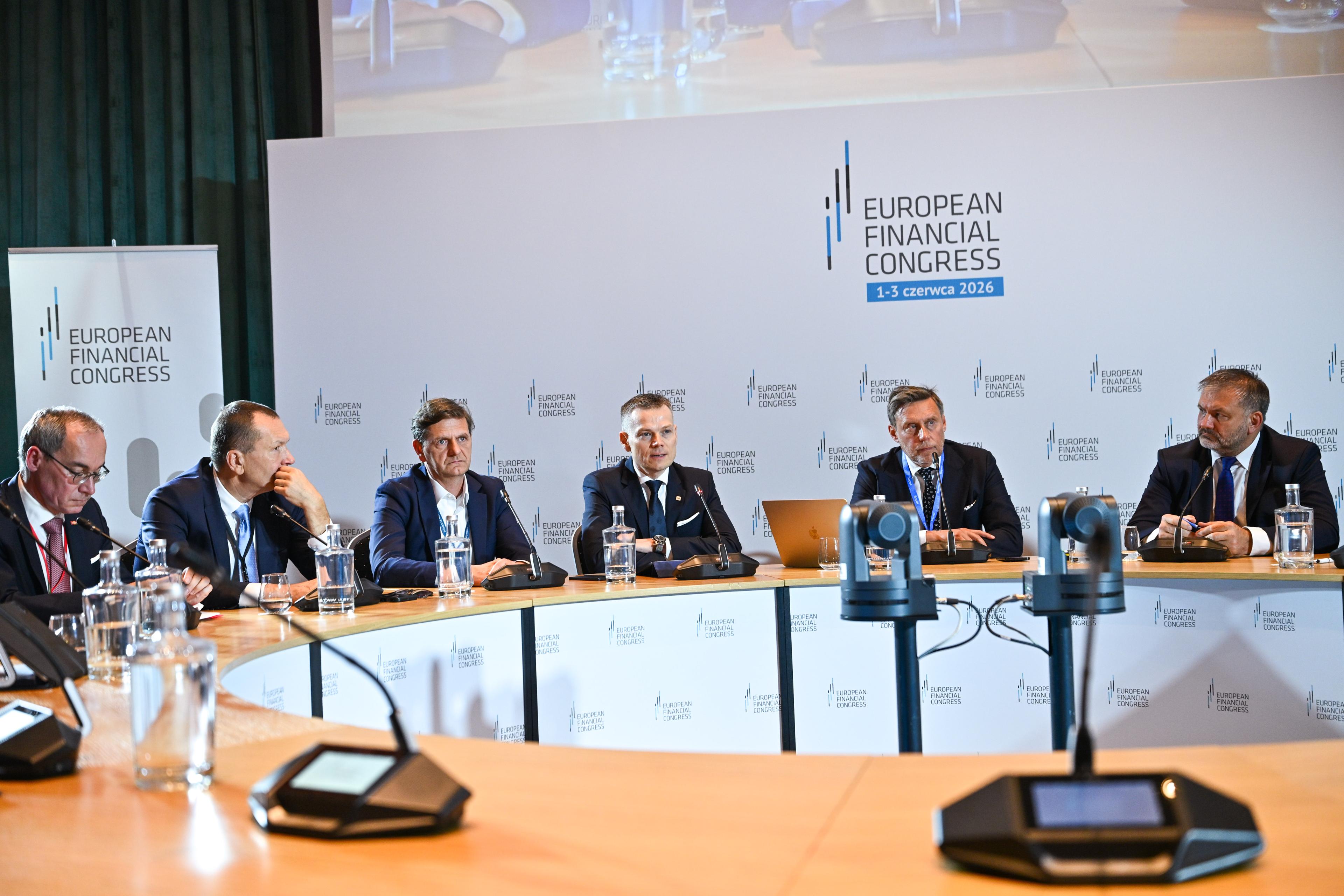
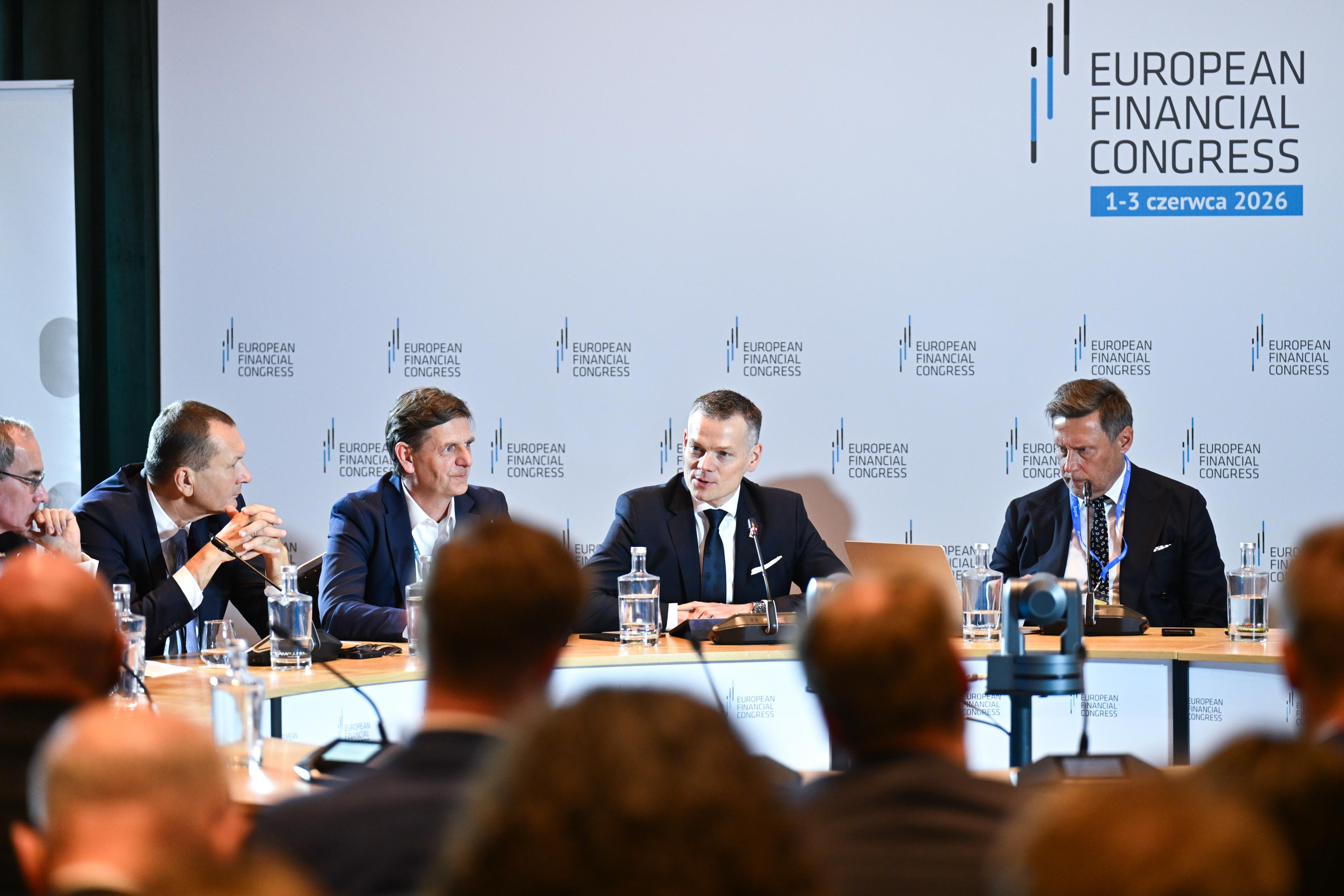
Jacek Jastrzębski took part in EFC Roundtable on Legal Risks of the Financial Market
Jacek Jastrzębski, Chair of the KNF, took part in the Roundtable on Legal Risks of the Financial Market, initiated upon the initiative of the Responsible Finance Club at the European Financial Congress in response to the growing legal risk for the stability of the financial sector in Poland.
In his contribution, Jacek Jastrzębski has assessed that the source of current disputes in the financial market is lack of a coherent regulatory strategy of the state. In his opinion, issues related to CHF loans, free credit sanction or WIBOR are consequences of shortcomings in the regulatory policy and in the coordination of public institutions’ activities. He has added that even though various institutions, such as the central bank, the supervision authority, the Office of Competition and Consumer Protection or the Financial Ombudsman, have various powers and mandates, it is necessary to ensure consistency of their actions. Regulatory strategy and legal risk are, in his opinion, two sides of the same coin: lack of the former leads to an increase in the latter.
The second important point raised was refusal to recognise the current state of legal disputes in the financial market as a ‘new normal’. According to the Chair of the KNF, this status quo has emerged as certain matters of fundamental importance for the entire financial sector are resolved in individual court proceedings. This happened with Swiss franc cases and a similar mechanism is now being witnessed with the free credit sanction. Courts hear specific disputes between parties and they are inherently not positioned to design systemic solutions for the entire market. This leads to the risk of systemic solutions being developed as a side effect of thousands of individual rulings. Such solutions may prove unsatisfactory to the market and the state, but once the line of jurisprudence is established, it will be very difficult to change them. For this reason, a lesson to be learnt from the Swiss franc experience and the discussion on the free credit sanction is the need for a coordinated and systemic response.
Jacek Jastrzębski also points out that the opposite of legal uncertainty is legal predictability. He believes that the main goal of participants in the discussion is to build a regulatory environment that will ensure maximum predictability of operations to businesses and market participants.
The Chair of the KNF also referred to the relation between consumer protection and stability of the financial system. In the long term, these objectives are not contradictory but they reinforce each other. A stable financial sector serves clients, while effective client protection enhances confidence in the financial sector. Meanwhile, in specific disputes and individual cases, public authorities often must balance those interests, and jurisprudence practice shows that the argument of systemic stability is not always considered. This is yet another reason why matters of systemic importance should be resolved at the systemic level, not only through courts that resolve individual and contentious cases ex post.