Multimedia - Komisja Nadzoru Finansowego

COMMUNICATION
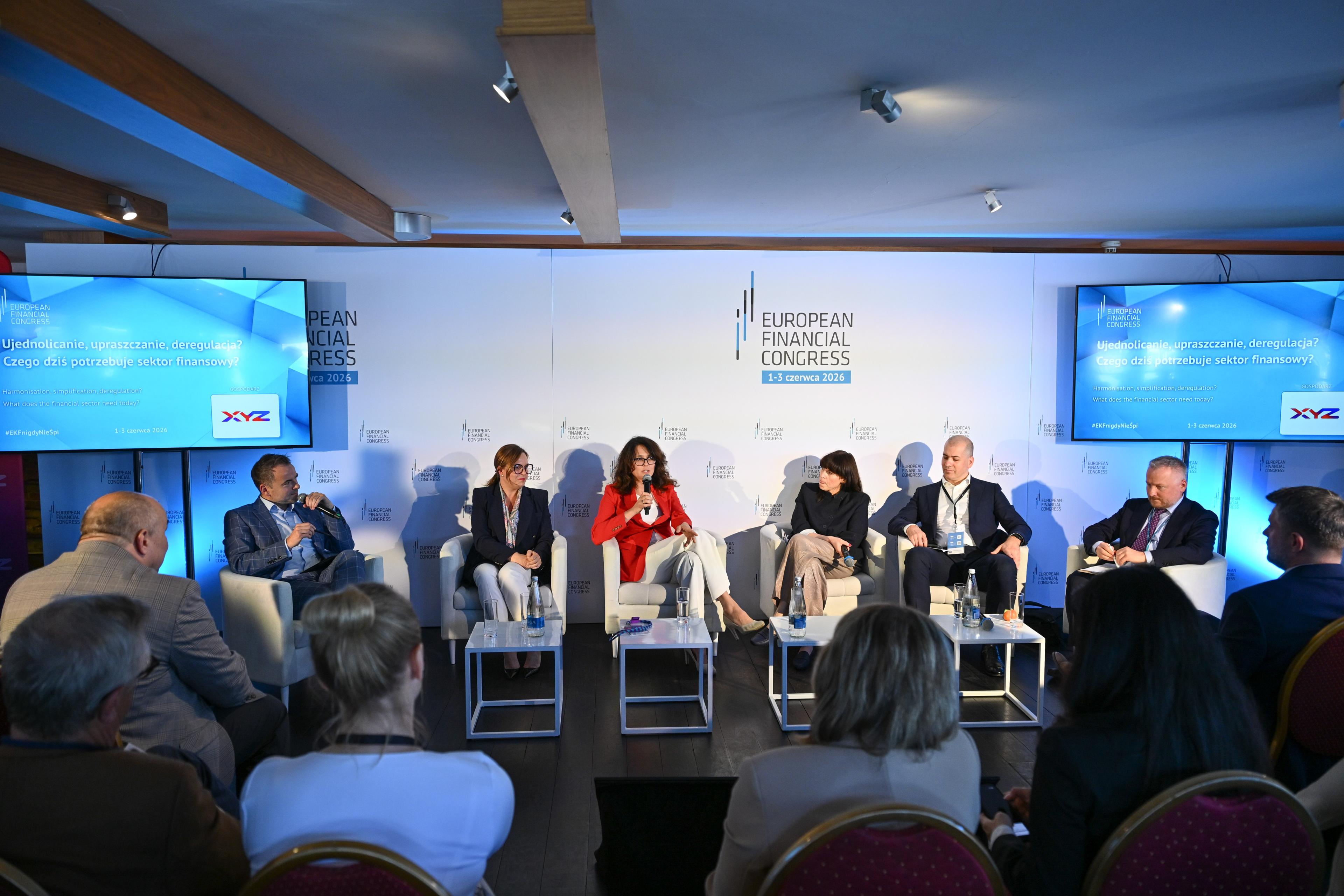
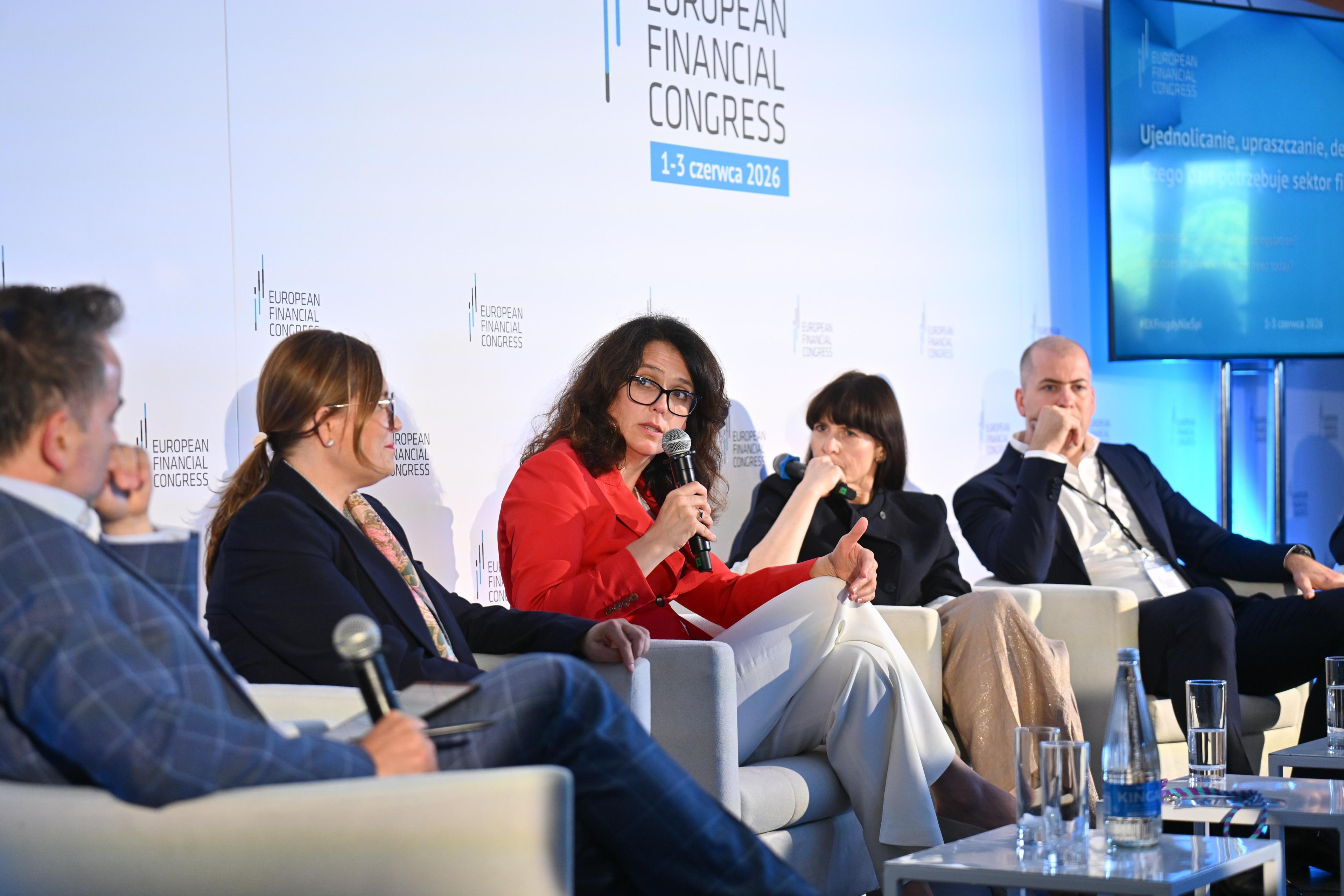
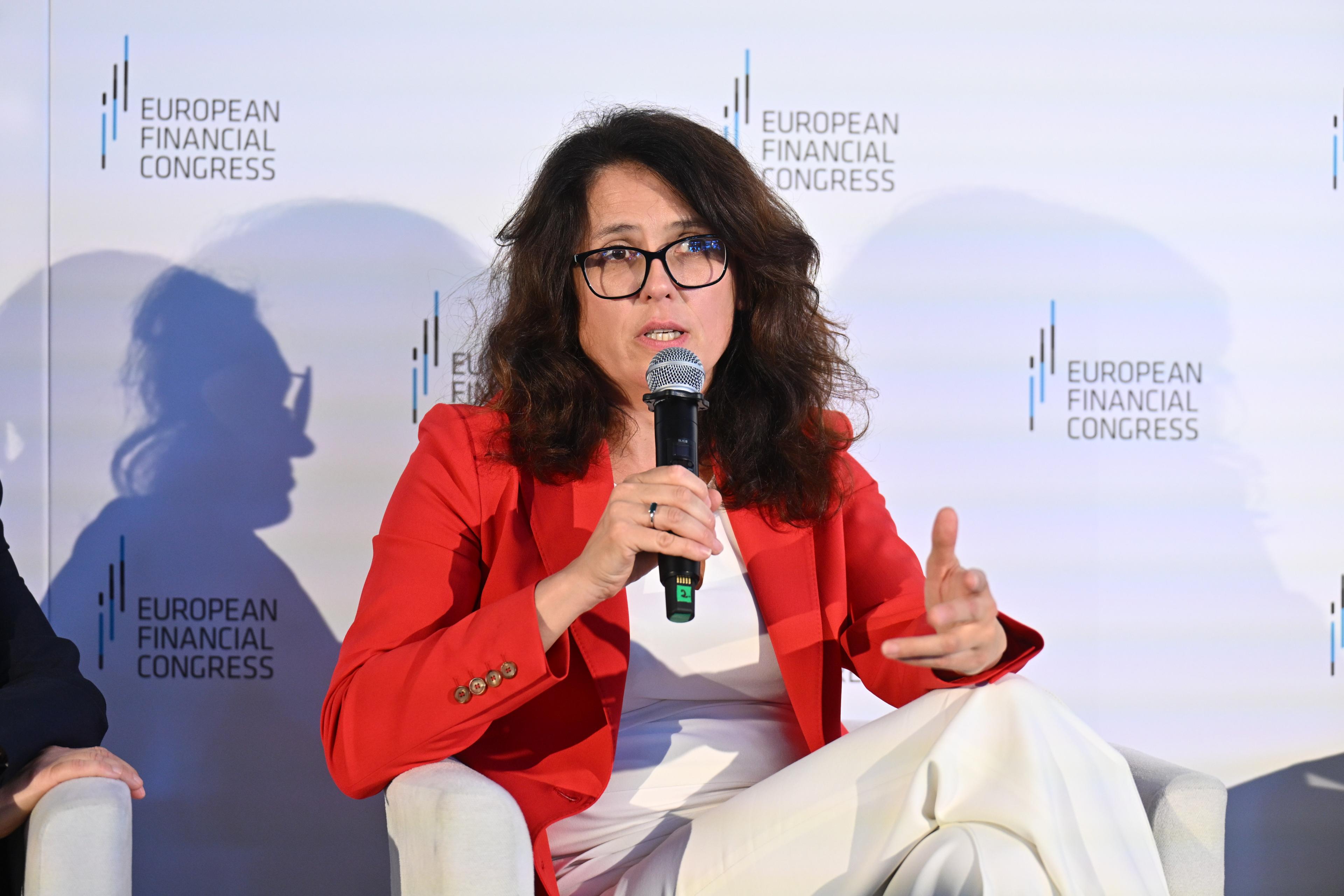
Magdalena Łapsa-Parczewska spoke at the EFC panel on deregulation
Magdalena Łapsa-Parczewska, Managing Director for Capital Market Supervision, spoke during the European Financial Congress at a panel organised by the xyz portal and entitled ‘Standardization, simplification, deregulation? What does the financial sector need today?’.
Magdalena Łapsa-Parczewska emphasised that simplification of the regulatory environment should be based on a detailed analysis of real barriers to development that exist in the market. She referred to the KNF’s analysis of gold-plating; the KNF is carrying out the analysis to identify requirements that exceed standards arising from European regulations. As she emphasised, ‘those actions aim at assessing in what areas additional national solutions actually increase the market’s safety and where they may constitute an unjustified regulatory burden for capital market participants.’
Magdalena Łapsa-Parczewska pointed to the fact that the UKNF had been involved for years in a number of initiatives implemented in cooperation with capital market participants to develop that market. She indicated that ‘building competitiveness requires not only appropriate regulations but also an active dialogue that allows for better identification of barriers and creation of solutions conducive to market development’. She emphasised the need to introduce a regulatory strategy for the financial market. Regulatory predictability and clearly defined long-term goals are necessary to limit uncertainty and create stable conditions to make investment decisions.
Magdalena Łapsa-Parczewska also referred to the need to assess new regulations through the prism of their impact on Polish financial institutions’ competitiveness. Law-making should take into account conditions in which Polish entities function in the single European market to avoid additional burdens that would weaken their position against foreign competitors.
In the end, she emphasised the need to further automate data-based supervisory processes. ‘Using modern technologies, advanced analytics and data processing tools will allow for enhanced efficiency of supervisory actions, as well as identification and prevention of risks’.