Multimedia - Komisja Nadzoru Finansowego

COMMUNICATION
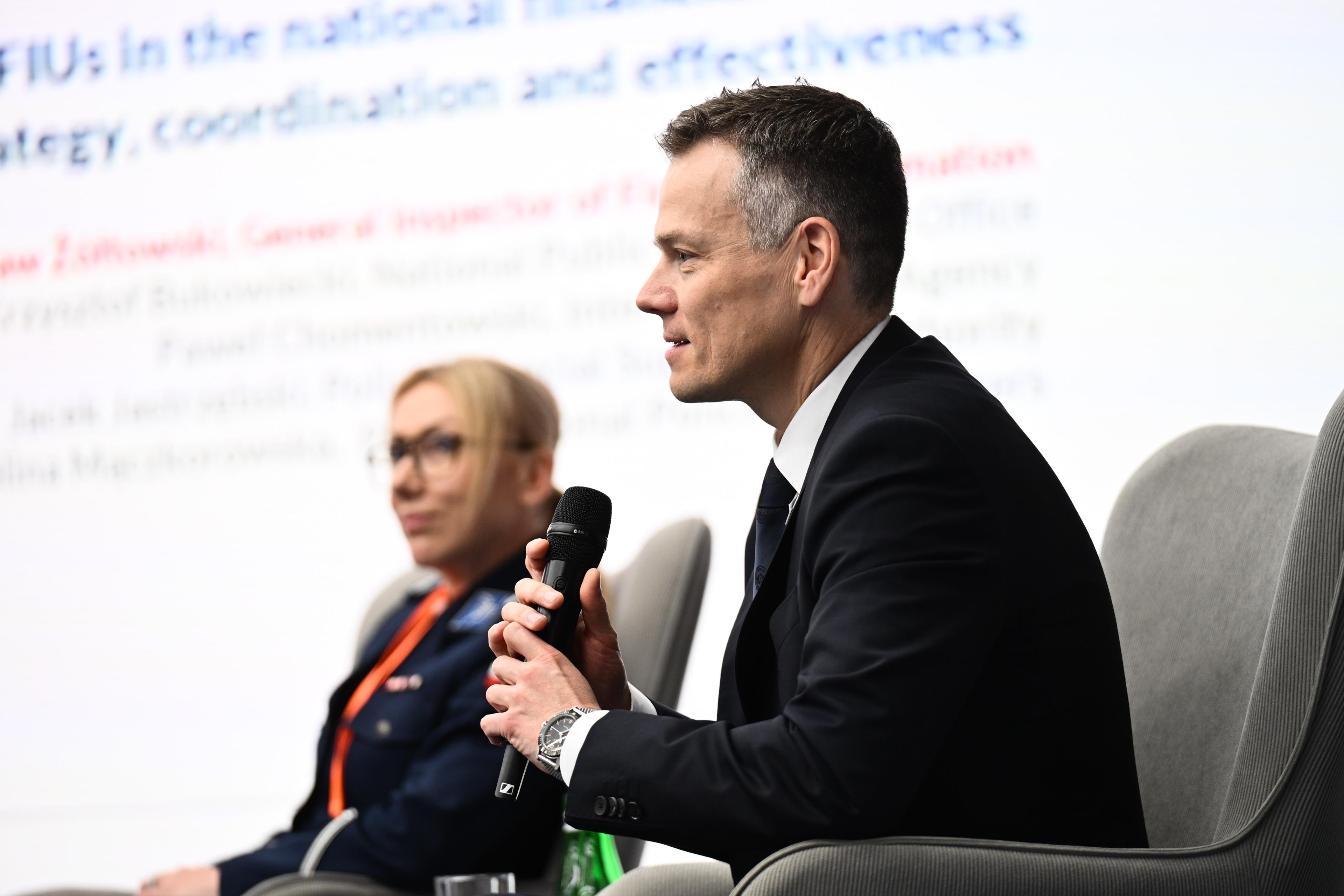
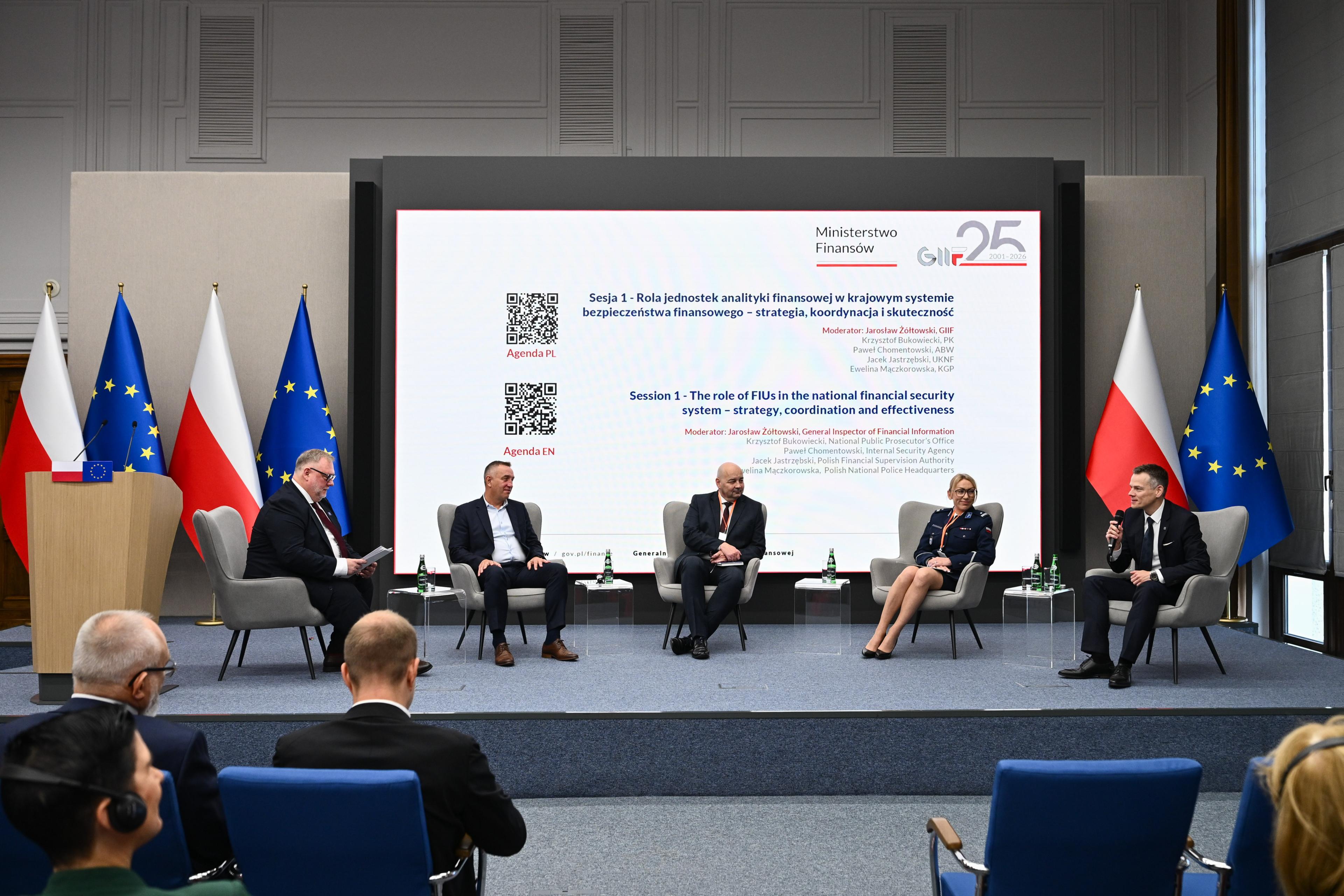
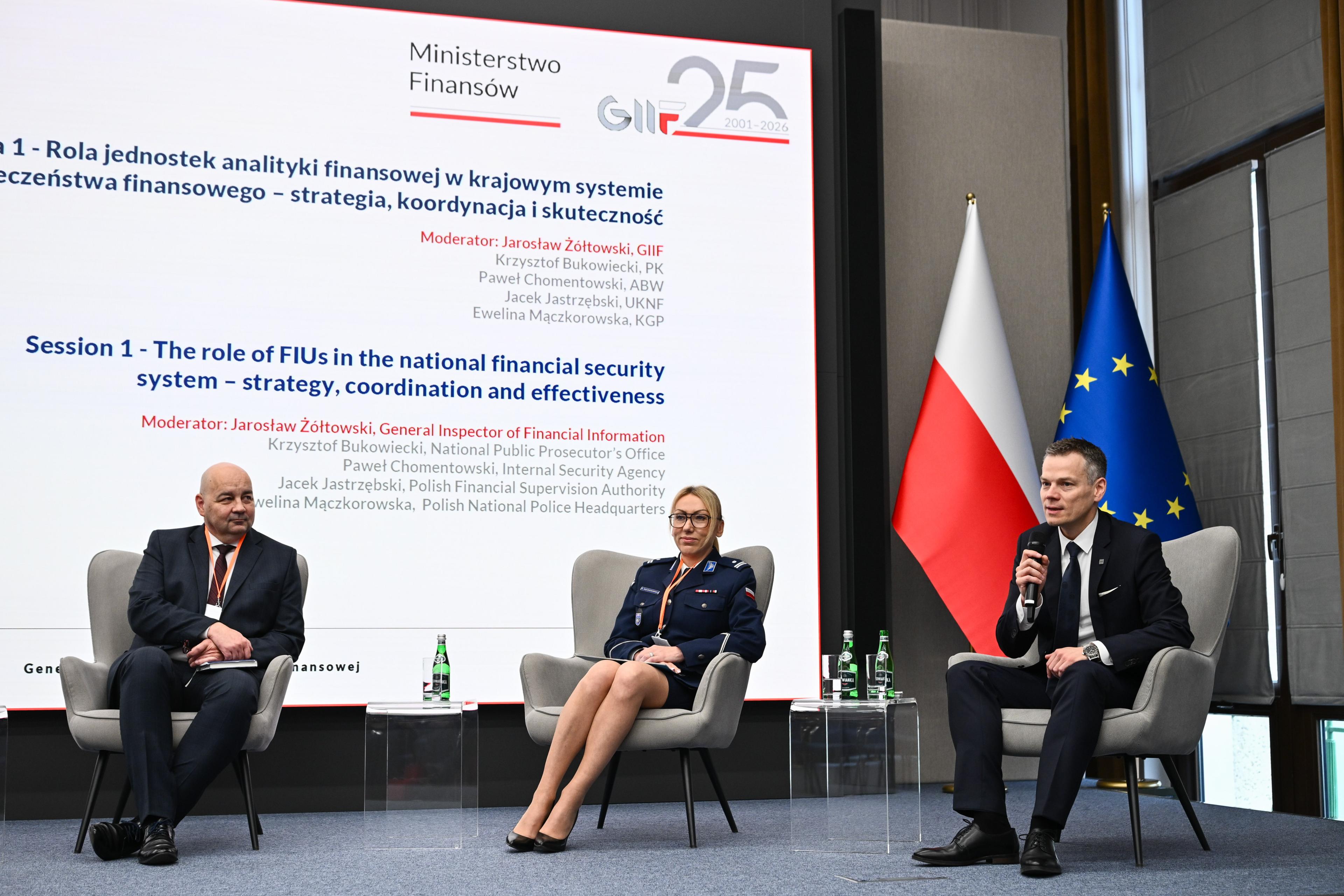
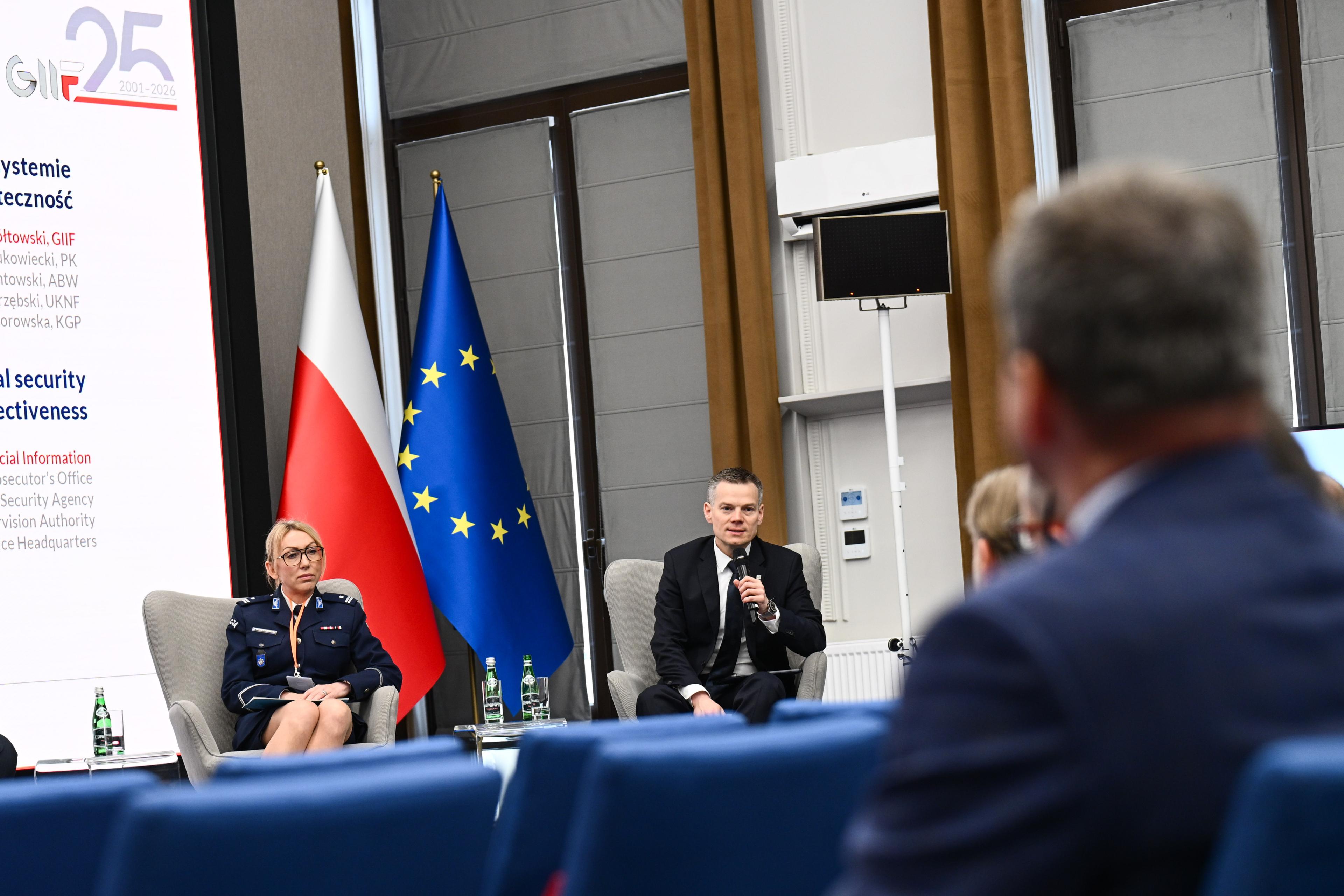
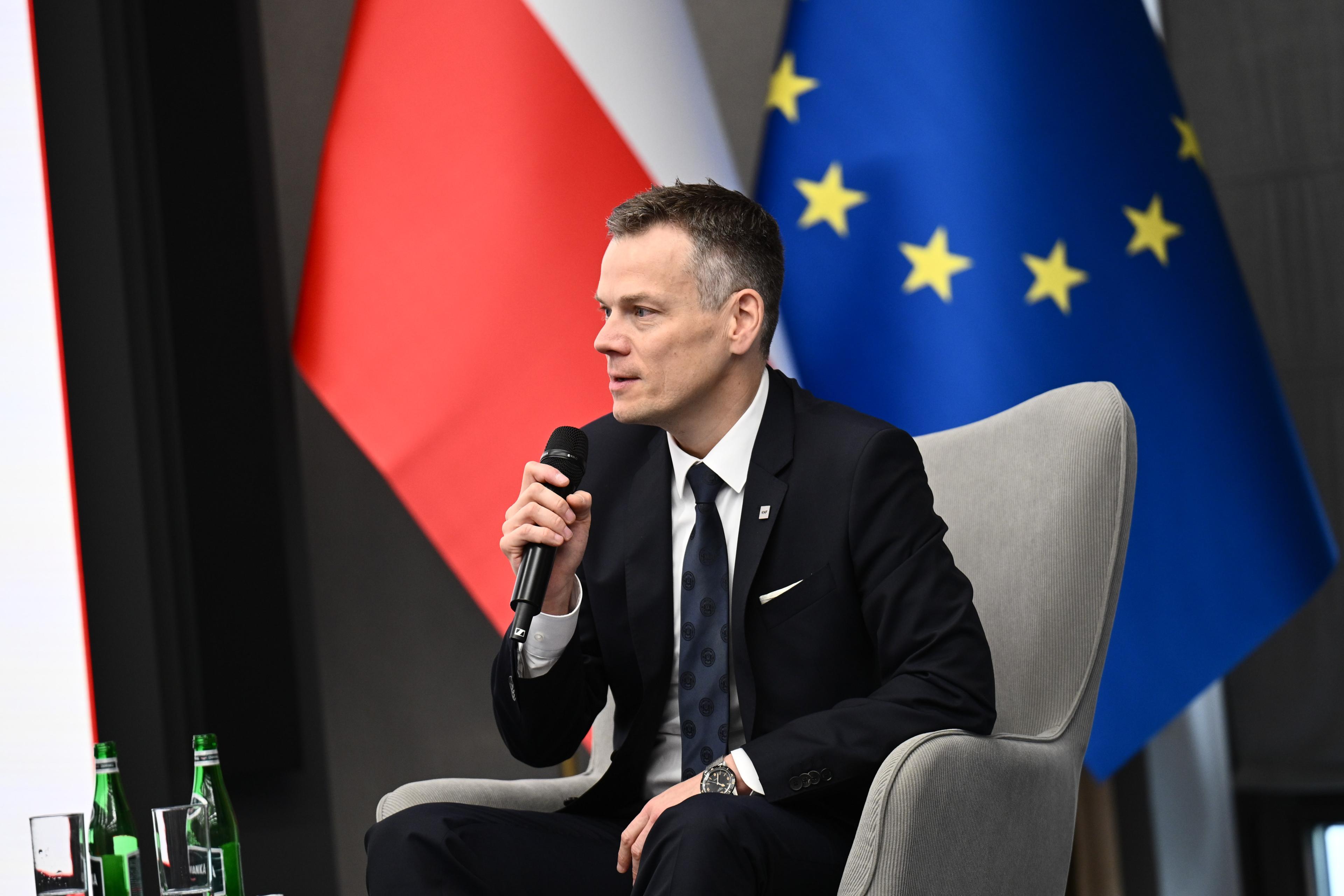
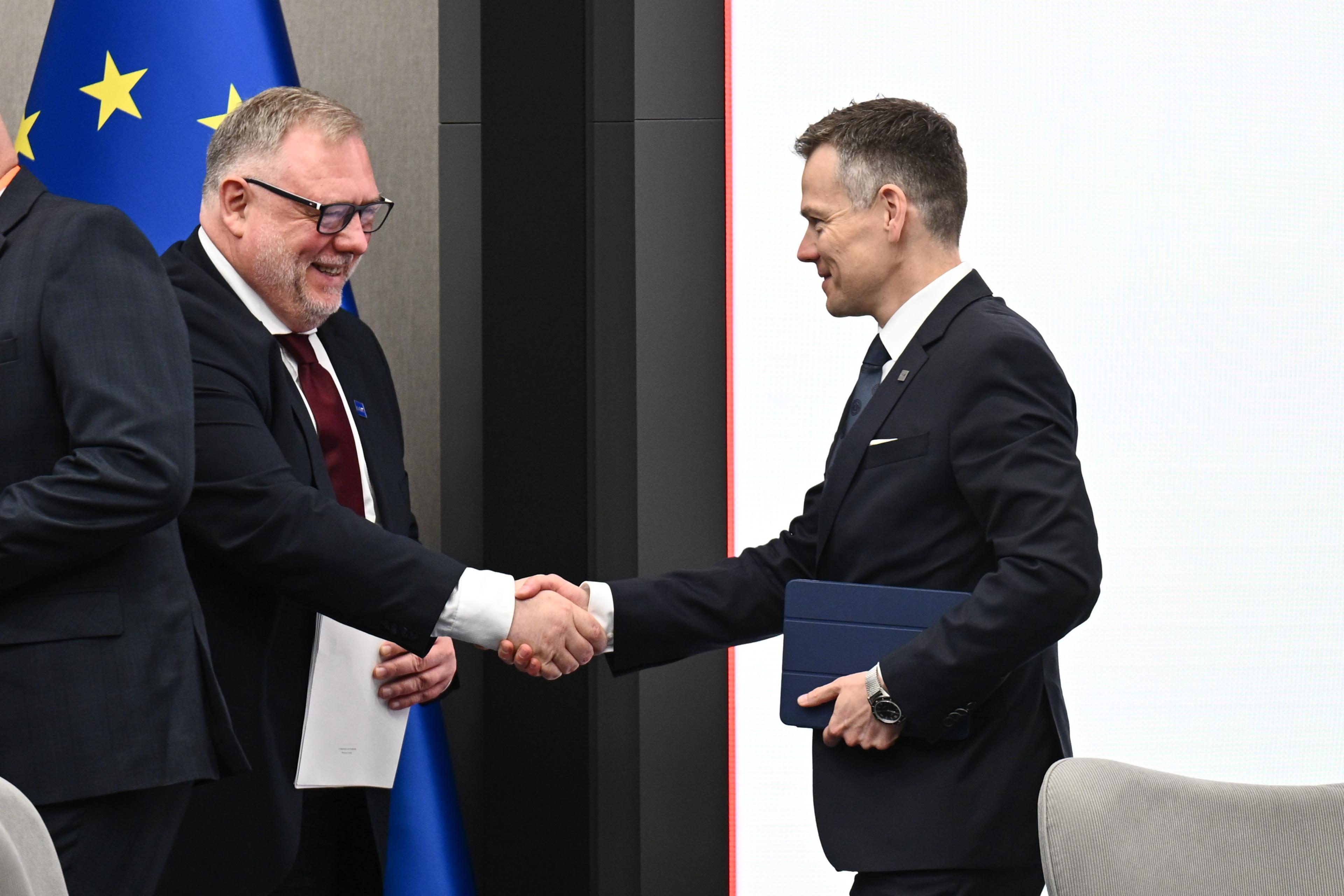
Chair of the KNF spoke during a debate marking the 25th anniversary of GIIF
Jacek Jastrzębski, Chair of Komisja Nadzoru Finansowego (KNF), took part in a debate marking the 25th anniversary of the General Inspector of Financial Information (GIIF). During a panel dedicated to the role of financial intelligence units in the Polish financial security system, the Chair shared the supervisory perspective on inter-institutional collaboration in the area of combating money laundering (ML) and terrorist financing (TF).
The Chair’s speech focused on the growing relevance of AML/CFT policy not only to financial security but also to state security and financial sector stability. The Chair has pointed to a change in how the risks of ML/TF are perceived by the financial supervisor. Traditionally, supervision has focused on financial risks such as liquidity risk, solvency risk or credit risk. Today, though, non-financial risks are becoming increasingly relevant, with infringements of AML/CFT rules and cybercrime being the major risks. The impact of such infringements may be of a systemic nature, particularly given the rapid flow of information and high mobility of funds due to digitalisation in financial markets.
One of the main ideas shared by the Chair is the belief that an effective fight against money laundering cannot be based solely on actions of individual institutions. What’s needed is close collaboration of GIIF, the Police, prosecutor’s offices, special services, financial supervisor and other entities responsible for state security. Building identical competencies at various institutions would be inefficient, while proper coordination facilitates the optimal use of unique human resources and expertise. The growing relevance of the AML/CFT area is also confirmed by the interest in the development of related skills.
The Chair also outlined the prospects for EU-level cooperation following the formation of a new EU agency – AMLA. He expressed his belief that the major role of AMLA would be to harmonise the AML rules in Member States. Right now, differences in the implementation and supervisory practices compromise the fight against money laundering, especially as the number of cross-border operations is rising. The Chair emphasised the need to have a clear division of competences among national authorities and EU institutions so that the system can become more effective, without limiting the responsibilities of each participant.
The main conclusion from the Chair’s speech is that AML policy is no longer just one of the many regulatory aspects of the financial sector, but it’s become one of the key components of state security. Fast development of technology, global cash flows and geopolitical tensions are the reasons why the effectiveness of the AML/CFT system will depend on skills in rapid data analysis, close inter-institutional collaboration, and creation of uniform standards at national and EU levels.