Multimedia - Komisja Nadzoru Finansowego

COMMUNICATION
UKNF’s fireside chat titled ‘Financial sector resilience, business continuity and regulatory oversight in the face of wartime risks’
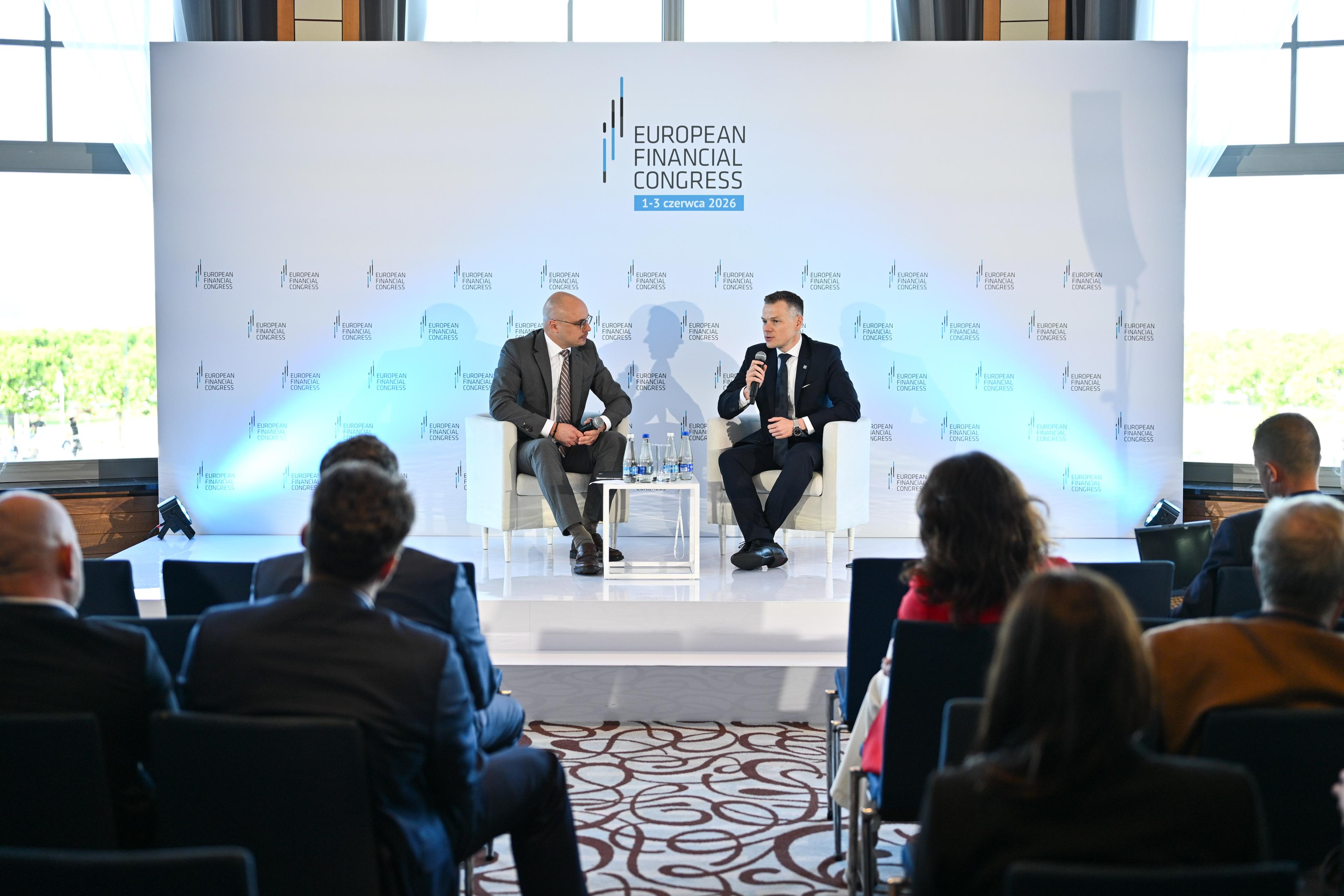
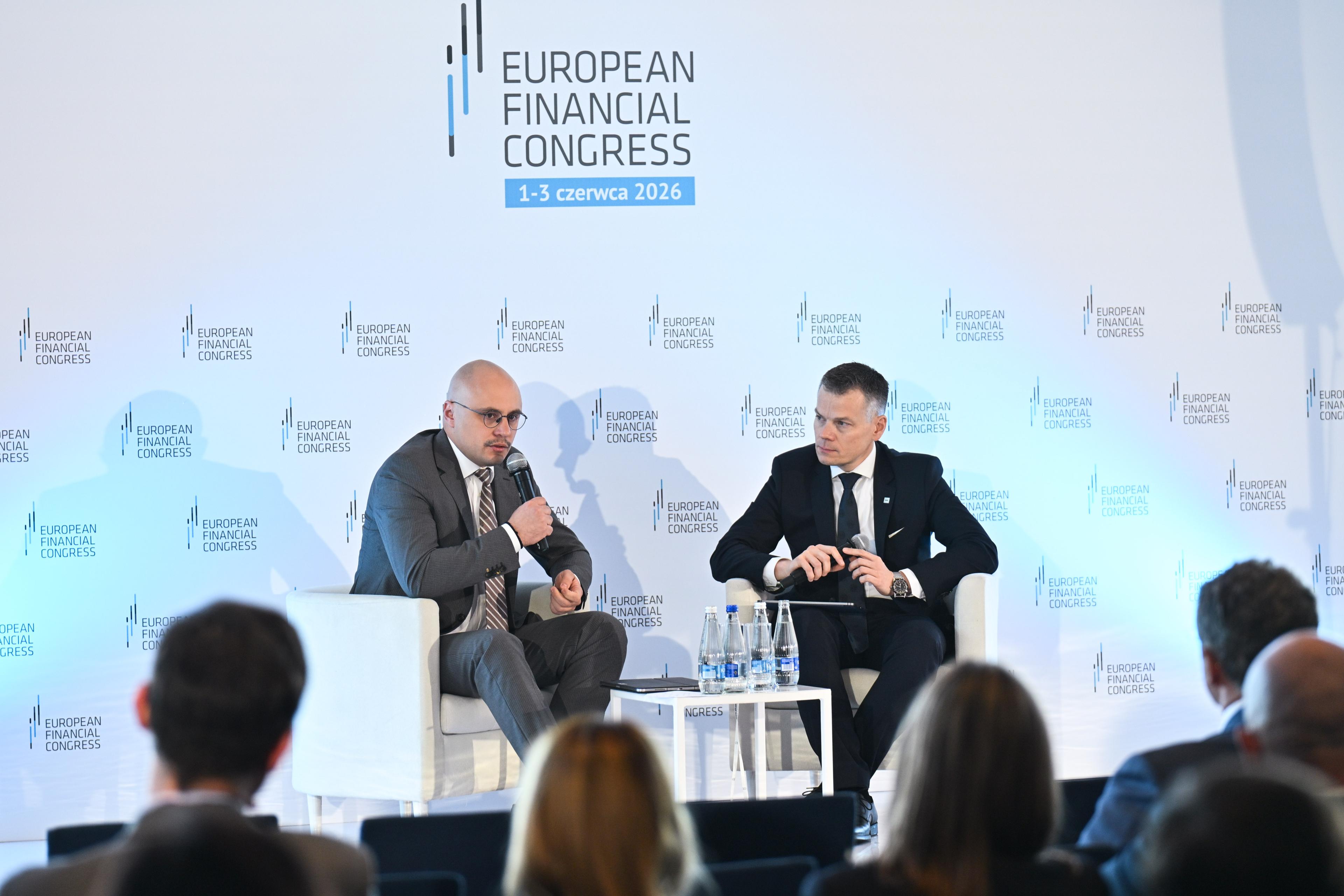
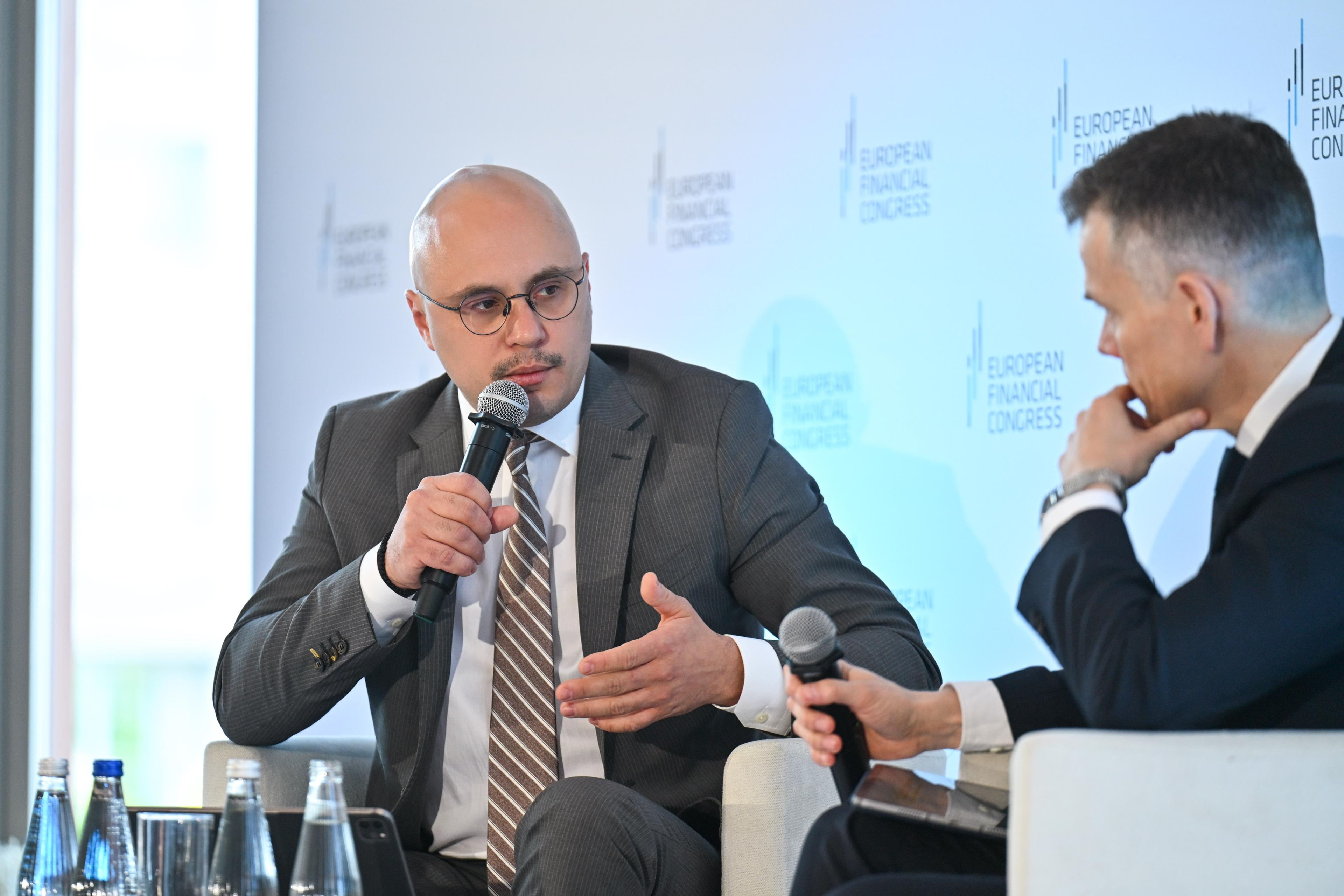
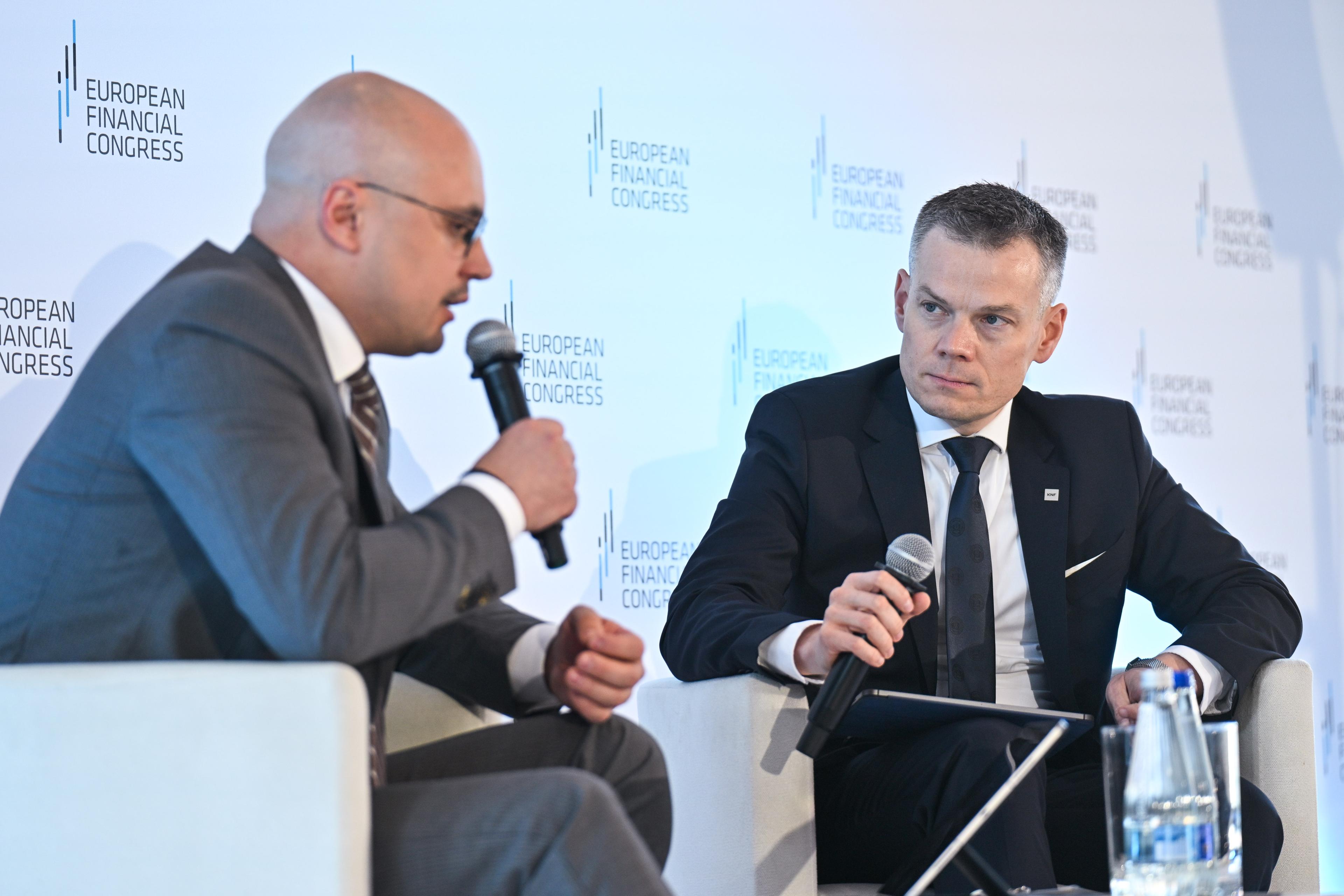
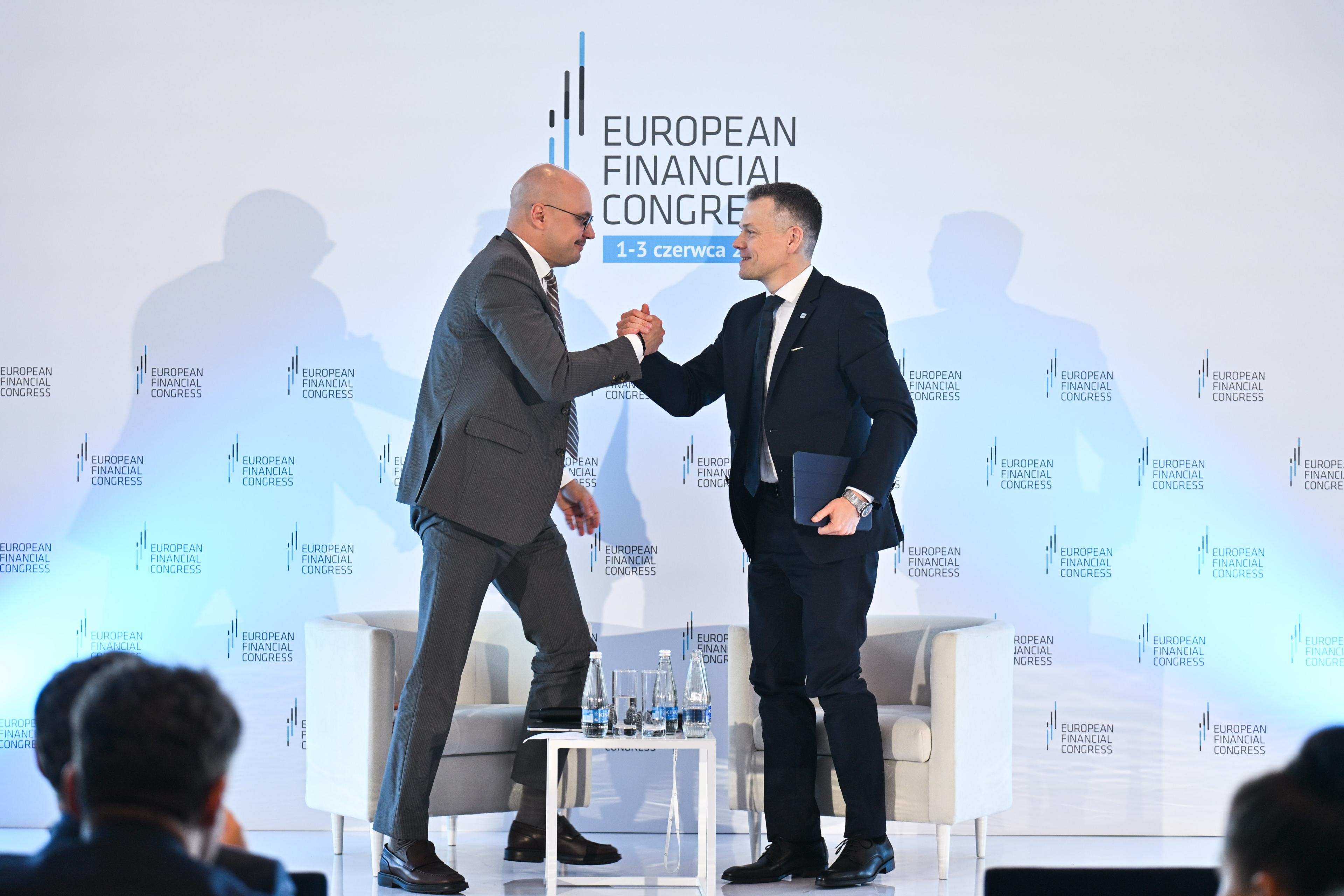
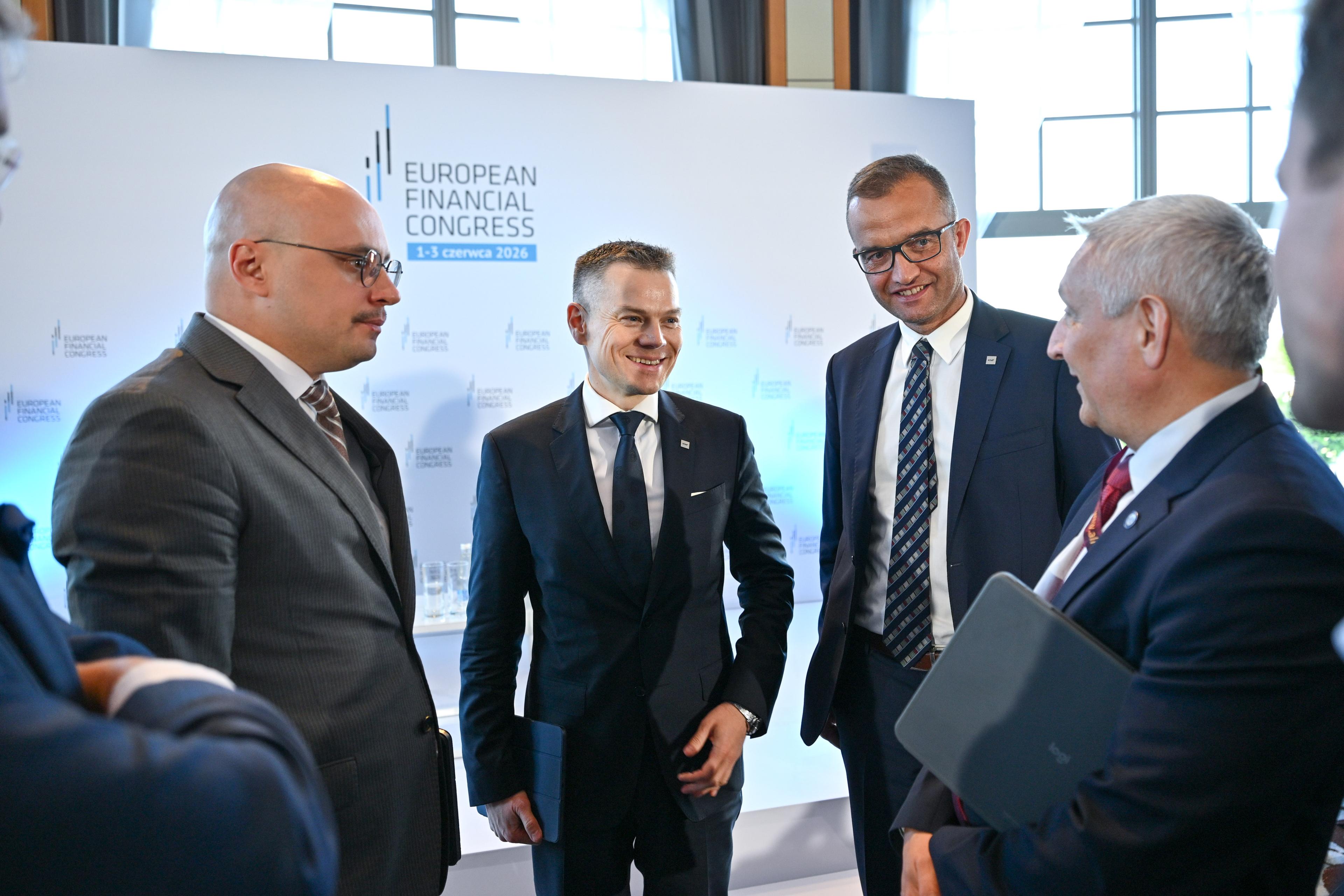
During the European Financial Congress in Sopot, a fireside chat was held with Jacek Jastrzębski, Chair of the KNF, and Dmytro Oliinyk, Deputy Governor of the National Bank of Ukraine responsible for, among other things, financial supervision. The title of the fireside chat was ‘Financial sector resilience, business continuity and regulatory oversight in the face of wartime risks’. The discussion was hosted by the UKNF.
The chat focused on the functioning of the Ukrainian financial sector in war conditions and the experience of the National Bank of Ukraine (NBU) related to maintaining the stability of the banking system after the full-scale Russia’s invasion of Ukraine in February 2022. Special attention was paid to actions taken in the first days of the conflict and lessons that can be useful for financial supervisors and market entities in other countries.
The Deputy Governor of the NBU emphasised that earlier preparation for the crisis had been of key importance. Even before the war broke out, contingency plans, operating procedures and scenarios were developed to ensure operational continuity of the financial sector. This enabled fast implementation of extraordinary solutions already during first hours after acts of war began.
One of the most important lessons related to management at wartime was the necessity to pay proper attention to the ‘human factor’. Dmytro Oliinyk has mentioned that safeguarding infrastructure and procedures is not enough at wartime. It is also essential to ensure safety to staff and their families so that key units can provide services to clients, maintain IT systems and perform supervisory tasks. It was also necessary to develop alternative communication channels and prepare replacement plans for key posts.
Cybersecurity has become yet another key area. Even before the war, Ukrainian financial institutions were targets of intensive cyberattacks. For this reason, it was particularly important to test systems, create data back-ups and prepare procedures for fast recovery after an incident, if any. Thanks to those actions, the banking sector maintained its capacity to provide services even in the most critical period.
The discussion also highlighted the importance of close cooperation between the state and the banking sector. During the first weeks of the war, the central bank supported the financing of the state’s needs, while some regulatory and supervisory requirements were reduced so that banks could focus on maintaining basic services for clients. This allowed financial institutions to respond to the crisis more quickly and support the functioning of the economy.
The role of cash and importance of digitalisation were also an important subject. Modern digital services significantly improve the resilience of the financial system as they enable citizens to use their bank accounts even after leaving the country. The war also showed that abandoning cash altogether would be a mistake. In case of power outages or connectivity issues and in areas close to the frontline, cash remains an indispensable means of payment and it is an important element of economic security.
A particularly interesting example of innovative approach to the involvement of the banking sector in building the state’s resilience was the ‘Power Banking’ programme. As part of the programme, selected bank branches were equipped with power generators, alternative connectivity sources and systems that allowed for operations even during long-term interruptions of energy supplies. Not only did such branches play a banking function but also a social one, and they became ‘resilience points’. Citizens could charge their phones there, have access to the Internet and use basic services necessary during a crisis. At the same time, a public mobile app allowed users to find the nearest branch of this type. The project was an example of using financial infrastructure as an element of the state’s resilience.
The next part of the discussion focused on the process of Ukraine’s integration with the European regulatory system. Despite the war, Ukraine continued aligning its legislation with EU standards. The level of compliance with EU regulations increased considerably, while the banking sector’s capital stability remained high. No systemic banking crisis was recorded, while issues experienced by specific institutions were solved through restructuring, changes in ownership or nationalisation.
The National Bank of Ukraine encouraged banks to support businesses affected by the consequences of acts of war, provided that their problems stemmed directly from the war and not from management errors. This helped a number of businesses recover and continue their investments. An increase in bad loans could be limited and business activity could be retained in spite of very difficult circumstances.
Resilience of the financial sector at wartime is not a result of single actions but a combination of earlier preparation, smooth communication, regulatory flexibility, investments in cybersecurity, and engagement of people working for financial institutions.
The Ukrainian experience shows that a well-prepared banking system is able to not only survive an extreme crisis but also actively support the functioning of the state, the economy and the society in the conditions of a long-term armed conflict. Operating in extremely difficult circumstances of an open armed conflict, the Ukrainian supervisor and the financial market also increase convergence with EU measures and scale of its integration with the EU financial market.