Multimedia - Komisja Nadzoru Finansowego

COMMUNICATION
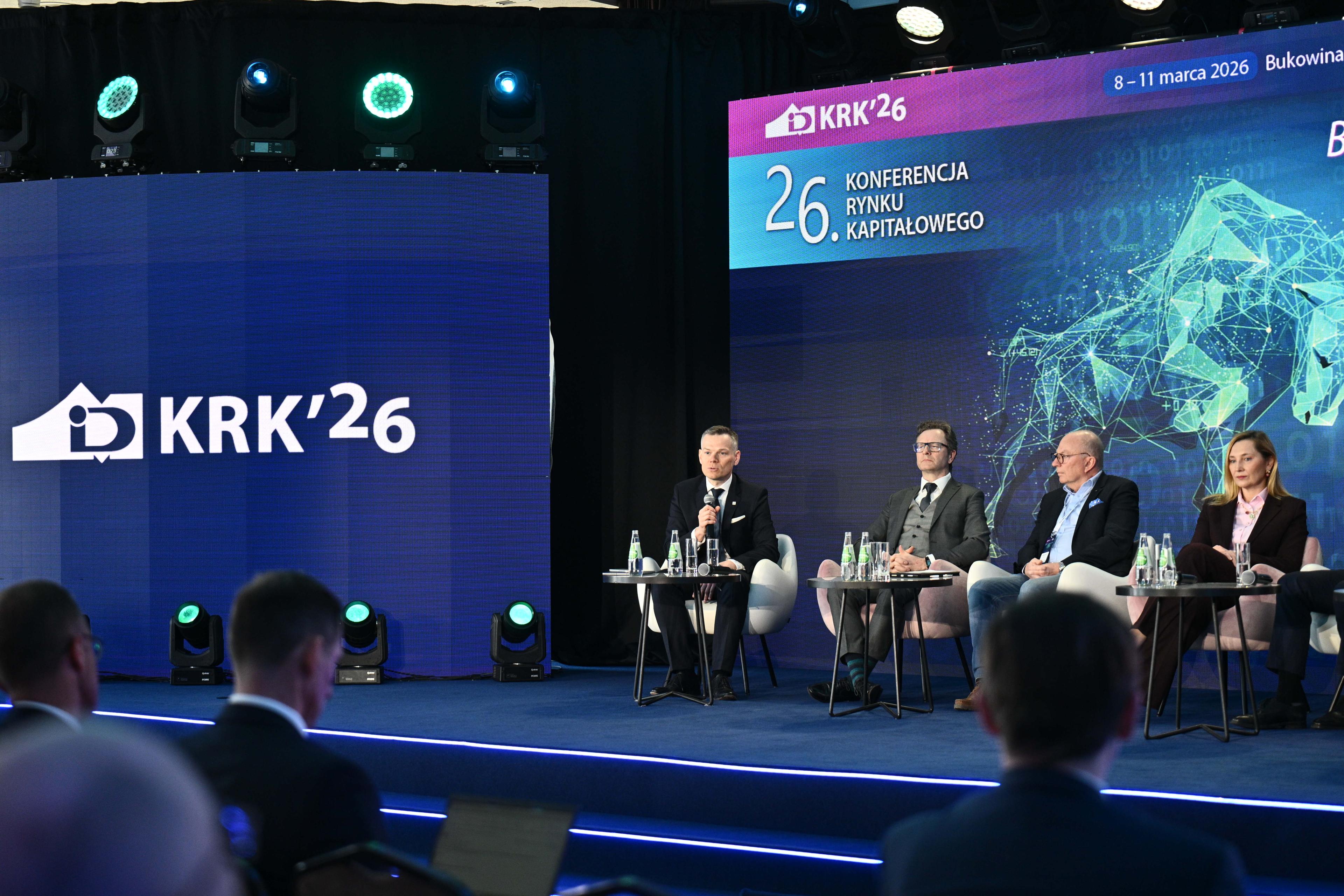
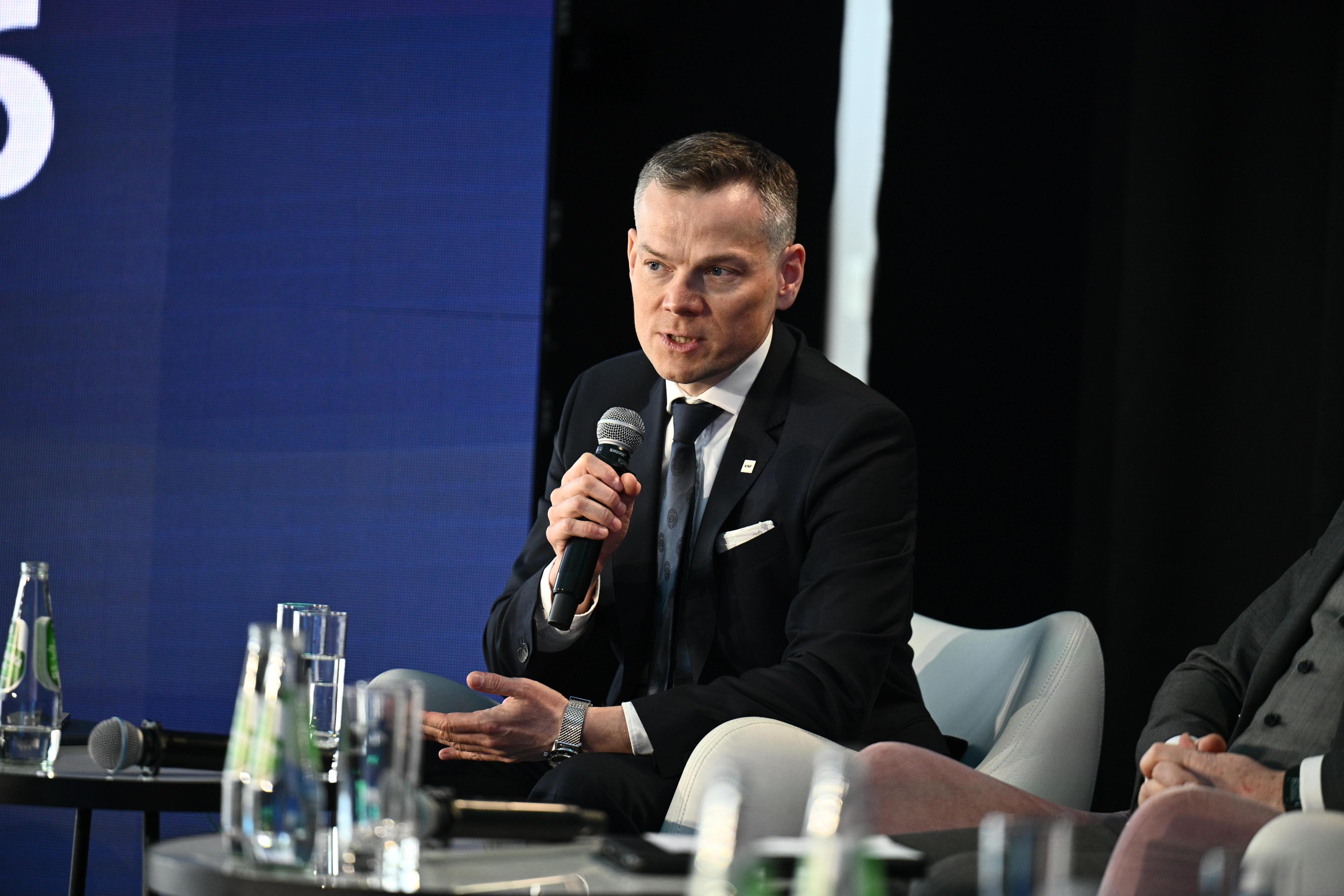
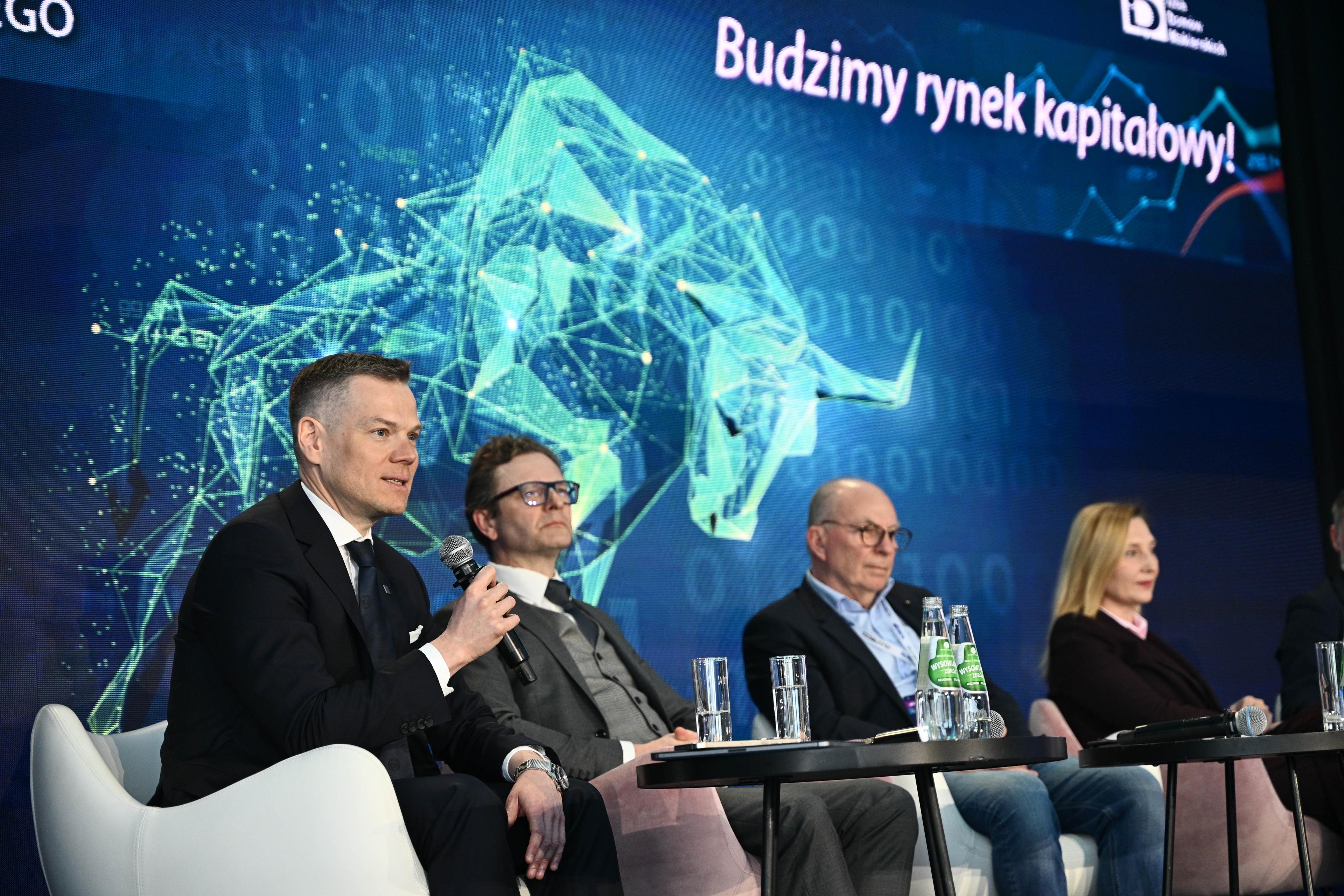
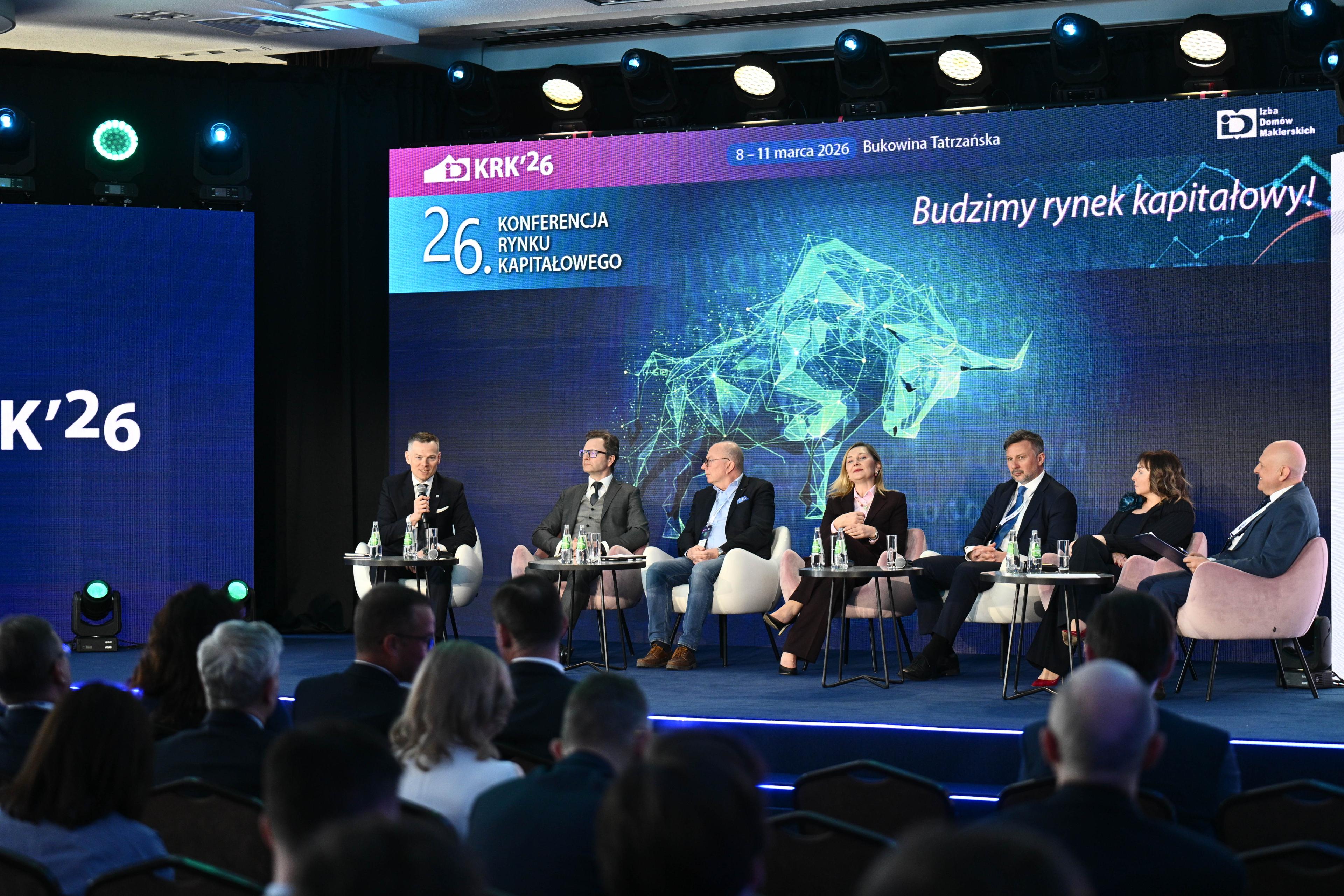
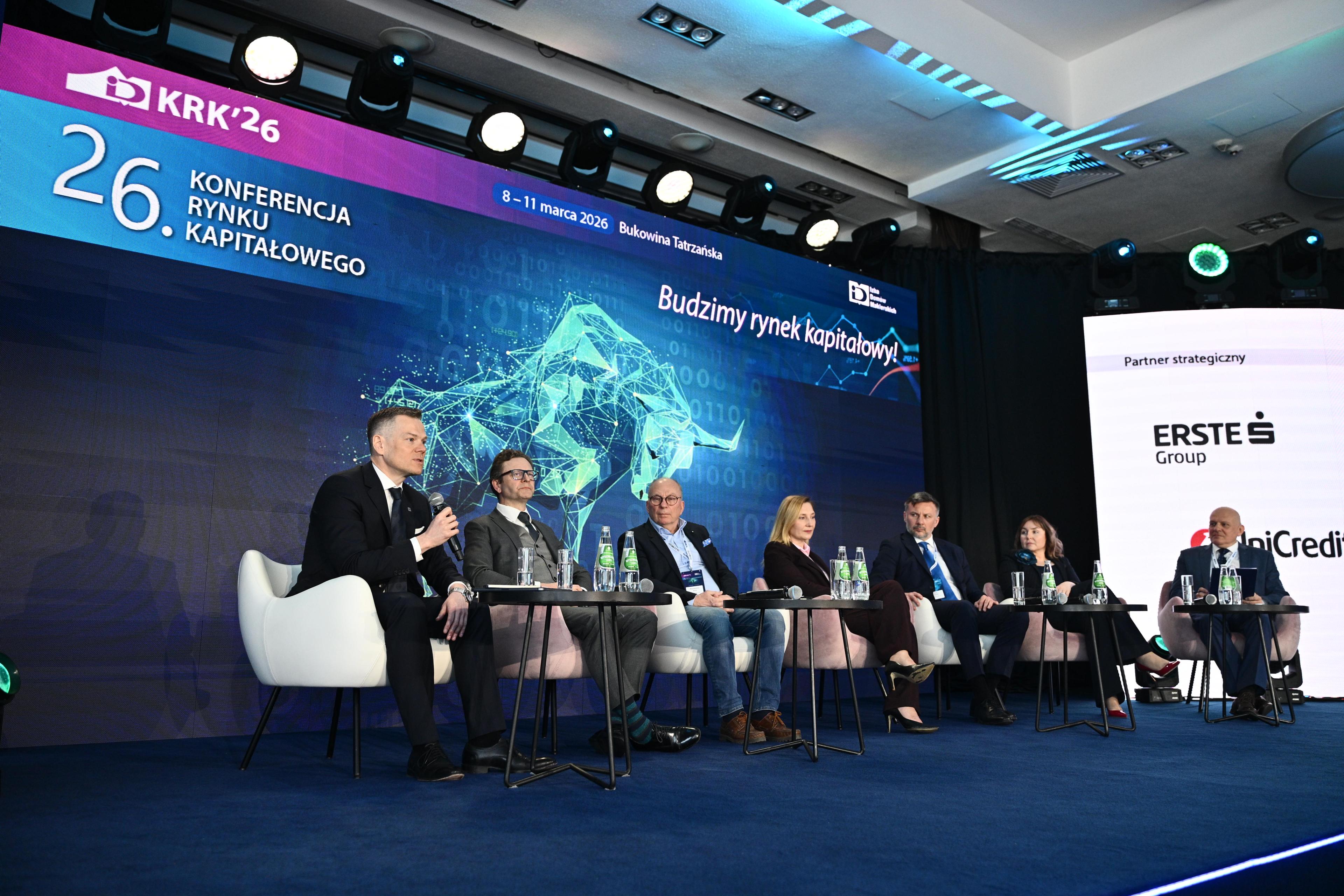
Jacek Jastrzębski took part in a discussion panel at IDM Capital Market Conference 2026
Jacek Jastrzębski, Chair of the KNF, took part in a panel at the 26th Capital Market Conference of the Chamber of Brokerage Houses (IDM), to discuss the outcomes of the work of the Capital Market Round Table, operating under the auspices of the ‘WECheck’ Initiative and cooperating with the government and the capital market community.
Jacek Jastrzębski stressed that the engagement of the UKNF in the Round Table was in line with a consistently broader change in the approach of the financial supervisor to dialogue with the market. In the opinion of the Chair, such experience shows that an open dialogue with the market should become a permanent feature of the financial system, not just a one-off initiative.
Jacek Jastrzębski said that, in his view, among the issues discussed at the Round Table, distribution of investment products by banks was of the greatest business importance. In this context, the ‘Three Pack’ of solutions was proposed to make such products more accessible to customers. The first element is the creation of a tool to compare the costs and performance of investment funds in order to increase market transparency and make it easier for clients to make informed investment decisions. The second element is the development of a model of cooperation between banks and investment fund companies, especially those that are independent from the banking sector. The goal is to create a set of good practices for the distribution of investment products. The third element is the introduction of an arrangement to encourage financial institutions to follow the good practices.
The Chair of the KNF has also outlined an interpretation of deregulation of the financial market. He has noted that after each financial crisis, regulators try to eliminate risks, for example at the cost of stifling market development. This in turn limits the functioning of the capital market as a place where capital is raised. According to Jacek Jastrzębski, deregulation means knowingly allowing a higher level of risk in selected market segments, which is particularly relevant in the area of the capital market, inherently based on the diversity of risk levels and potential rates of return specific to different asset classes. Deregulation is therefore, in essence, a recalibration of regulators’ approach to risk. Deregulation may be the result of a reflection that de-risking has proven excessively restrictive for market development and the economy’s competitiveness. However, such recalibration is a more difficult process than ‘tightening the screw’, with the former requiring an in-depth debate and bold decisions.