Multimedia - Komisja Nadzoru Finansowego

COMMUNICATION
Jacek Jastrzębski opened a conference ‘Risk and capital management at banks’ organised by the European Financial Congress
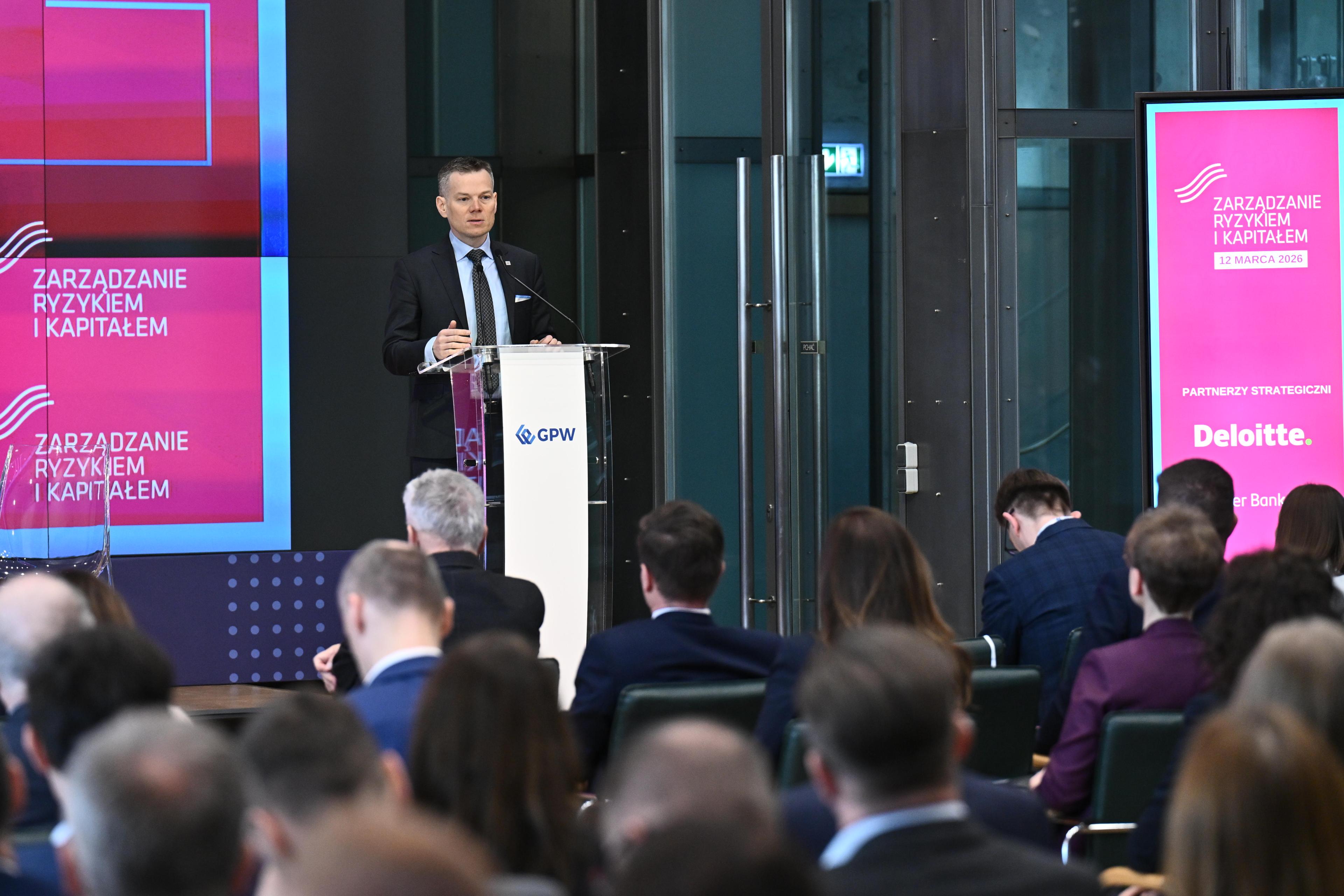
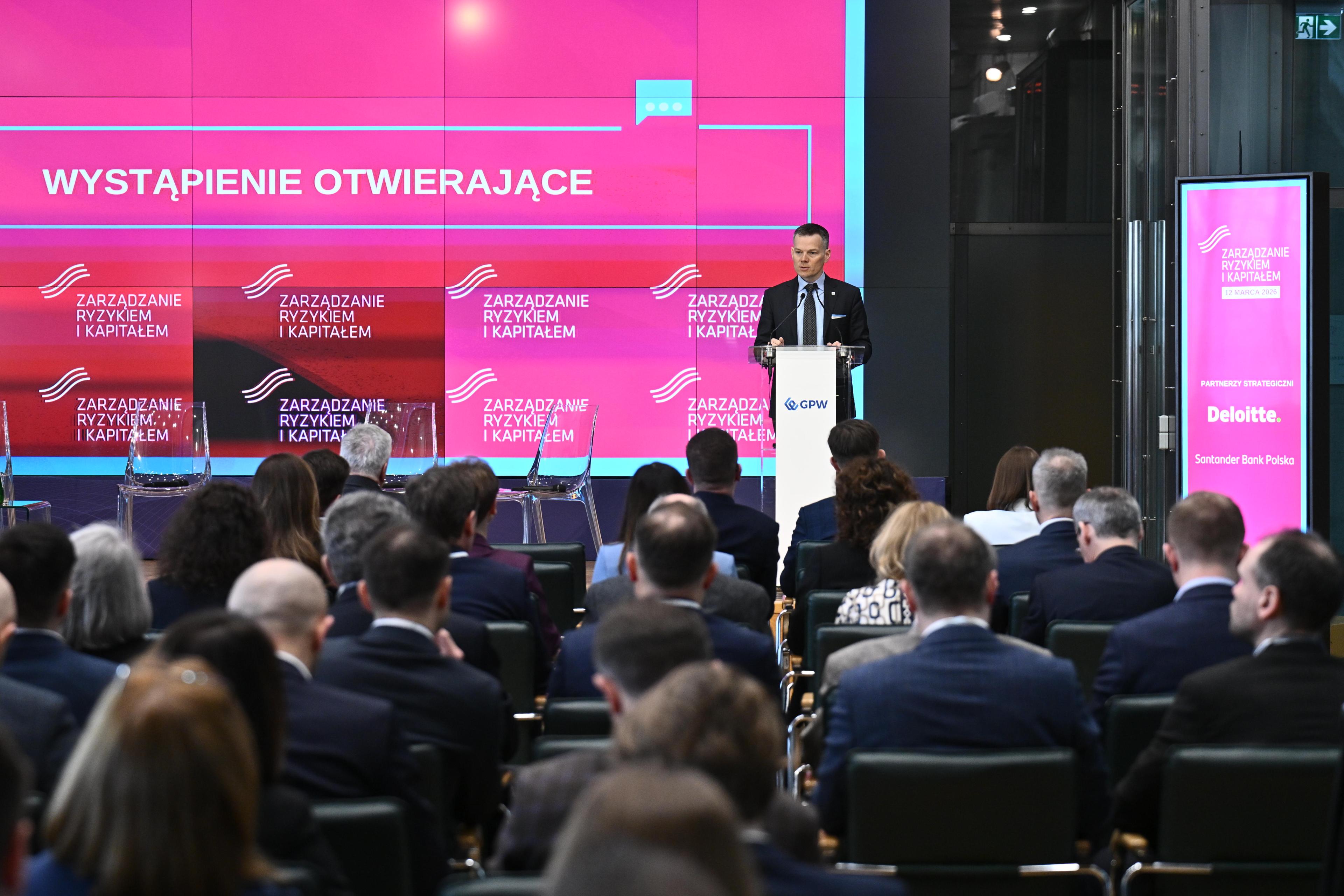
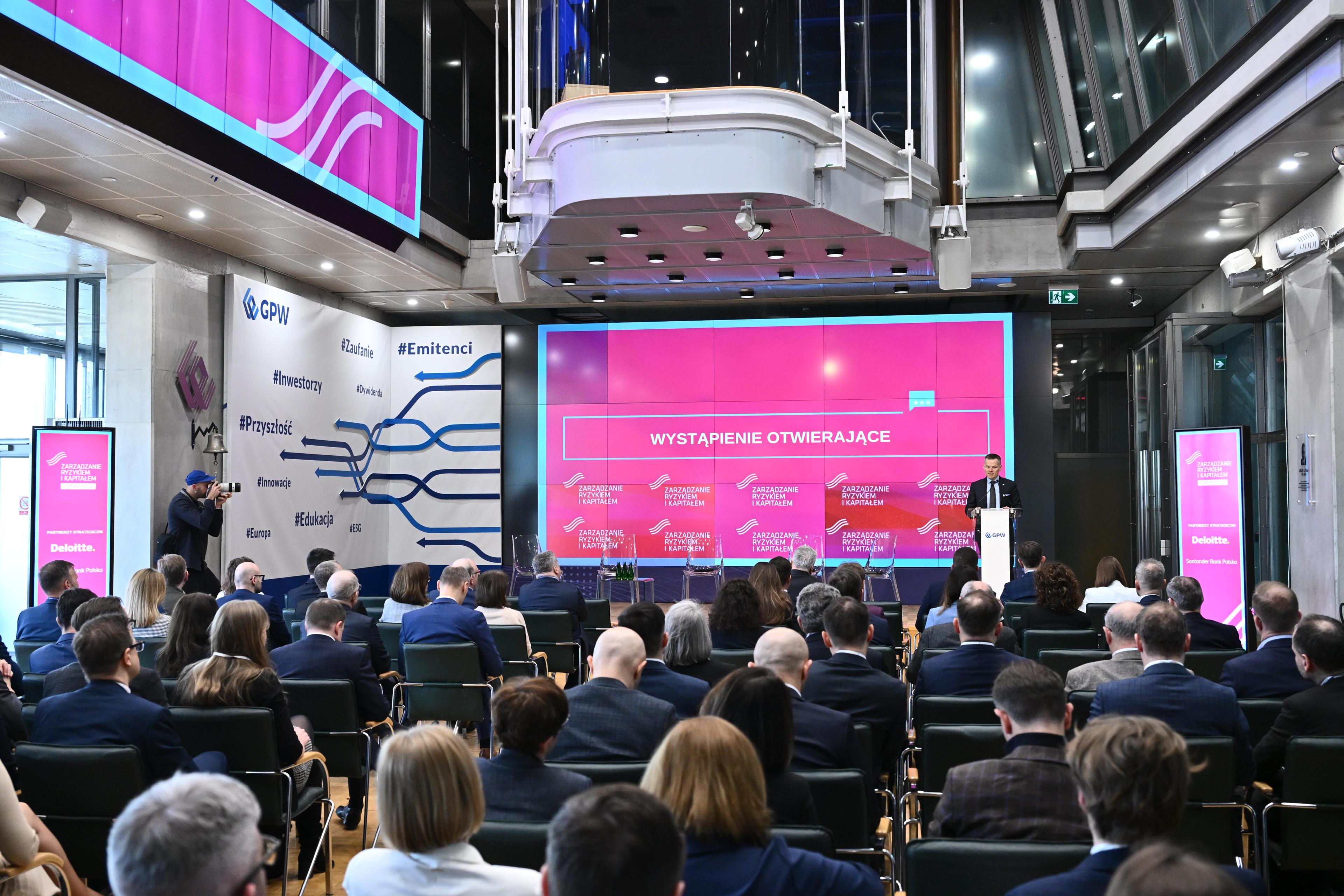
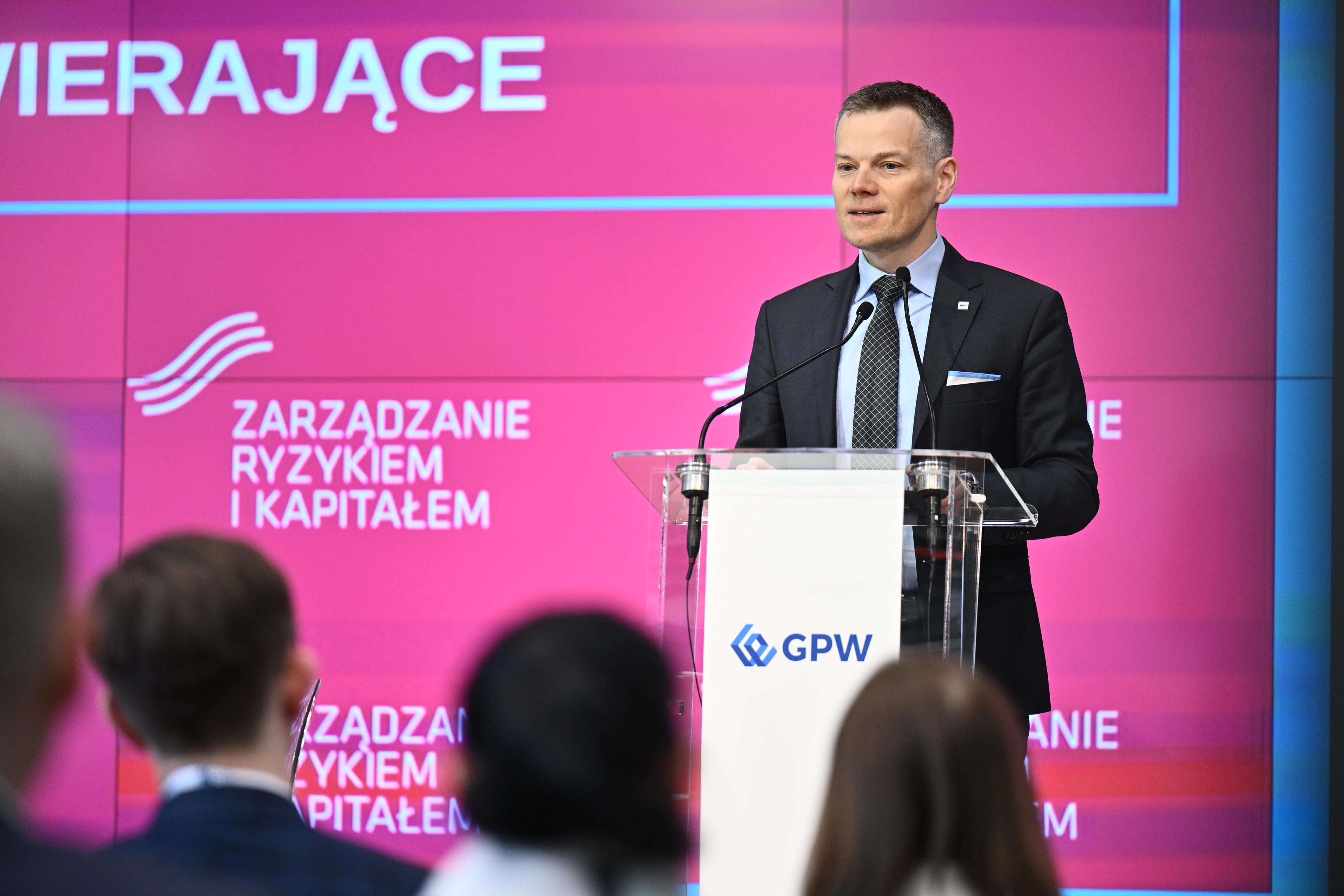
Jacek Jastrzębski, Chair of the KNF, gave an opening speech at the conference ‘Risk and capital management at banks’ organised by the European Financial Congress.
‘Risk analysis is becoming more and more interdisciplinary and to an increasing extent it covers circumstances that are not covered by models based on historical data. For this reason, persons responsible for risk management must, on the one hand, learn lessons from the past, but on the other hand, they cannot be those generals who always fight the last war.
In his speech, Jacek Jastrzębski talked about the evolution of risk perception in the financial sector and about the change in the construction of traditional models used for analysing it. He referred to the classical definition of risk as a combination of three elements: a scenario of events, probability of their occurrence, and consequences of risk materialisation. For years this model has been a foundation for risk management, both at financial institutions and in exercising financial supervision. The Chair of the KNF has indicated that it is increasingly difficult to describe the contemporary reality in this ordered manner. Due to the growing complexity of our environment, more and more often we do not face risk in its traditional sense but uncertainty, for which it is even difficult to identify possible scenarios and estimate their probability.
One of key phenomena to illustrate this change is a growing number of so-called black swans, namely unpredictable events with huge consequences, with those black swans being much more frequent than we ever wanted them to be. Recent years and events such as global financial crises, the pandemic, geopolitical tensions – all of this shows that events exceeding standard analytical models happen increasingly often. As a result, the relevance of non-financial risks and factors previously external to the financial sector is growing.
Jacek Jastrzębski pointed to several key trends shaping the contemporary approach to risk management. The financial crisis of 2007–2009 showed that taking care of stability of single institutions does not guarantee the stability of the whole system as the financial market forms a dense and increasingly complex net of interrelations and interdependencies. The issues of one entity may easily spread to other entities, generating network spillovers. Another element are the consequences of globalisation and the growing importance of geopolitical factors. Political events or international conflicts may directly affect the conditions in which the financial markets operate, as illustrated by volatile prices of raw materials or tensions in global supply chains. Another important trend is the digitalisation of financial sector. In fact, banks and financial institutions are becoming tech companies and IT infrastructure is becoming a key element of business model. At the same time, the concentration of technology service providers is growing and so is the dependence of financial institutions on digital systems, which generates new types of operational and systemic risks.
The Chair of the KNF emphasised that in this situation traditional models based exclusively on historical data may prove insufficient. Risk analysis is becoming more and more interdisciplinary and to an increasing extent it covers circumstances that are not covered by models based on historical data. For this reason, persons responsible for risk management must, from the one hand, learn lessons from the past, but on the other hand, they cannot be those generals who always fight the last war.
It is necessary to complement the previous methods with scenario-based and out-of-the-box thinking, taking into account the entire spectrum of possibilities, including events that are very unlikely but still possible, even if never seen in the history or no longer remembered.
As a result of the evolution of our economic system, risk analysis is becoming more and more interdisciplinary. Apart from economics, statistics or financial mathematics, it requires applying knowledge from the field of geopolitics, technology, strategic studies or even behavioural psychology. Only such a broad approach may enhance the capacity of financial institutions to adapt in the world of growing uncertainty.