Multimedia - Komisja Nadzoru Finansowego

COMMUNICATION
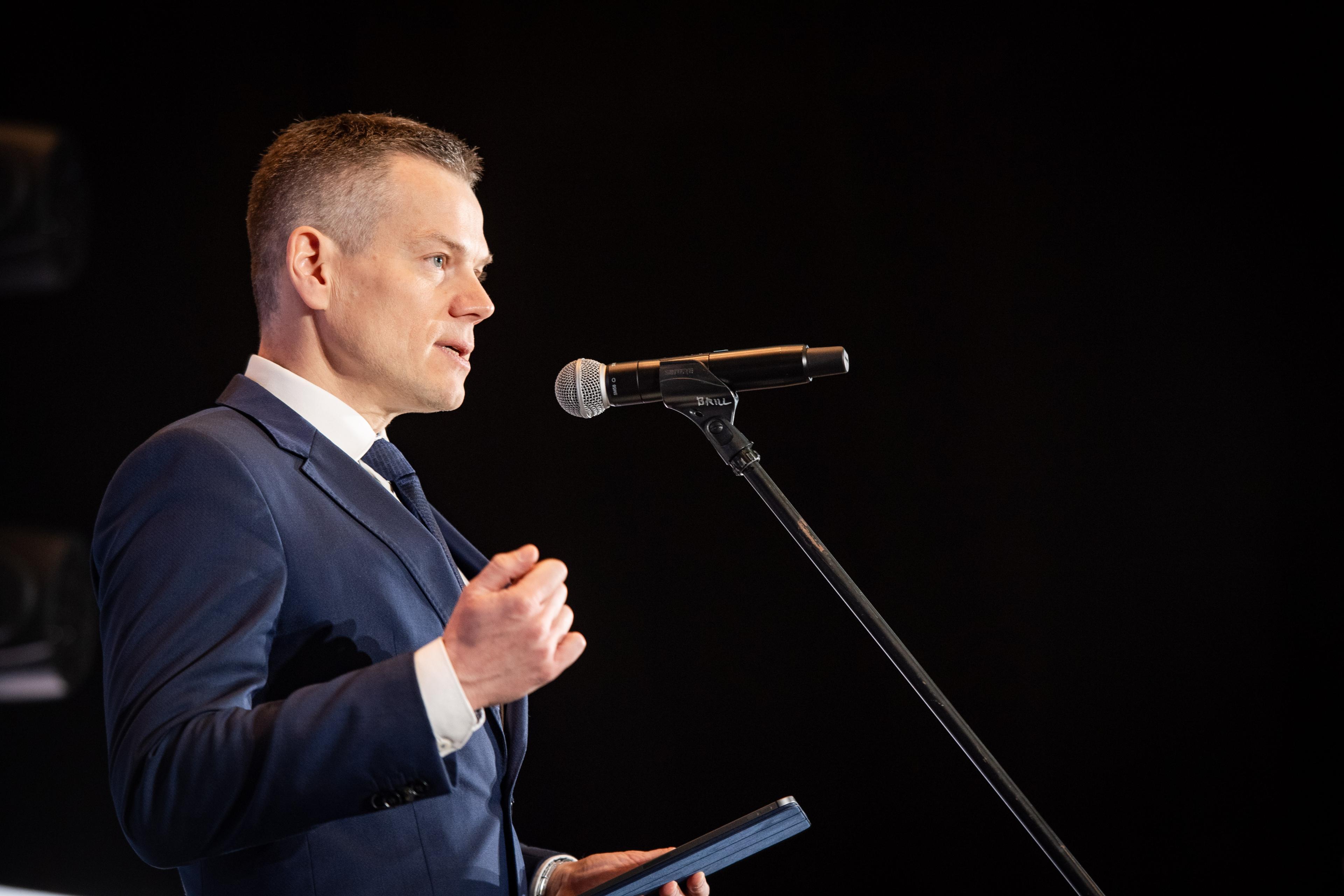
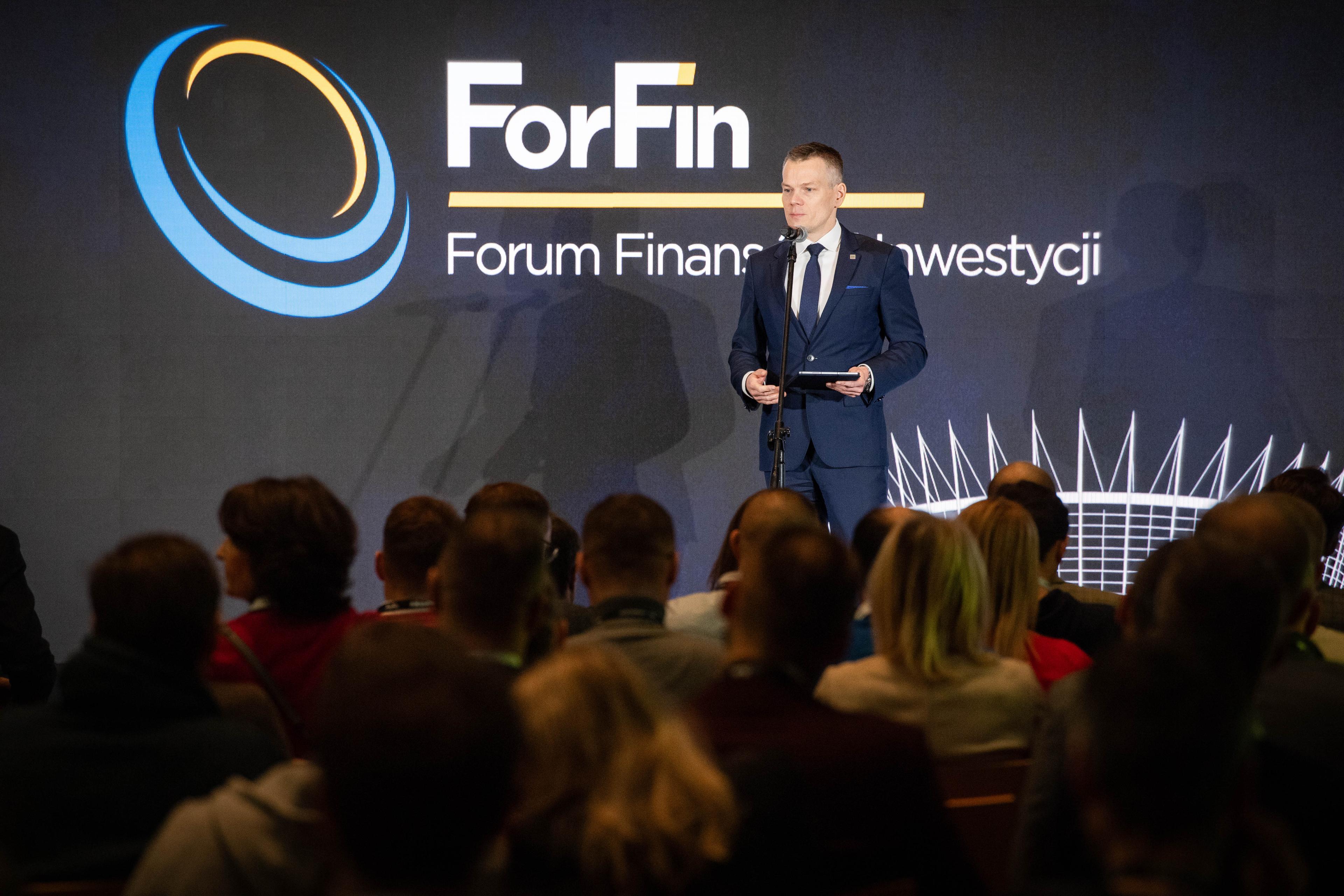
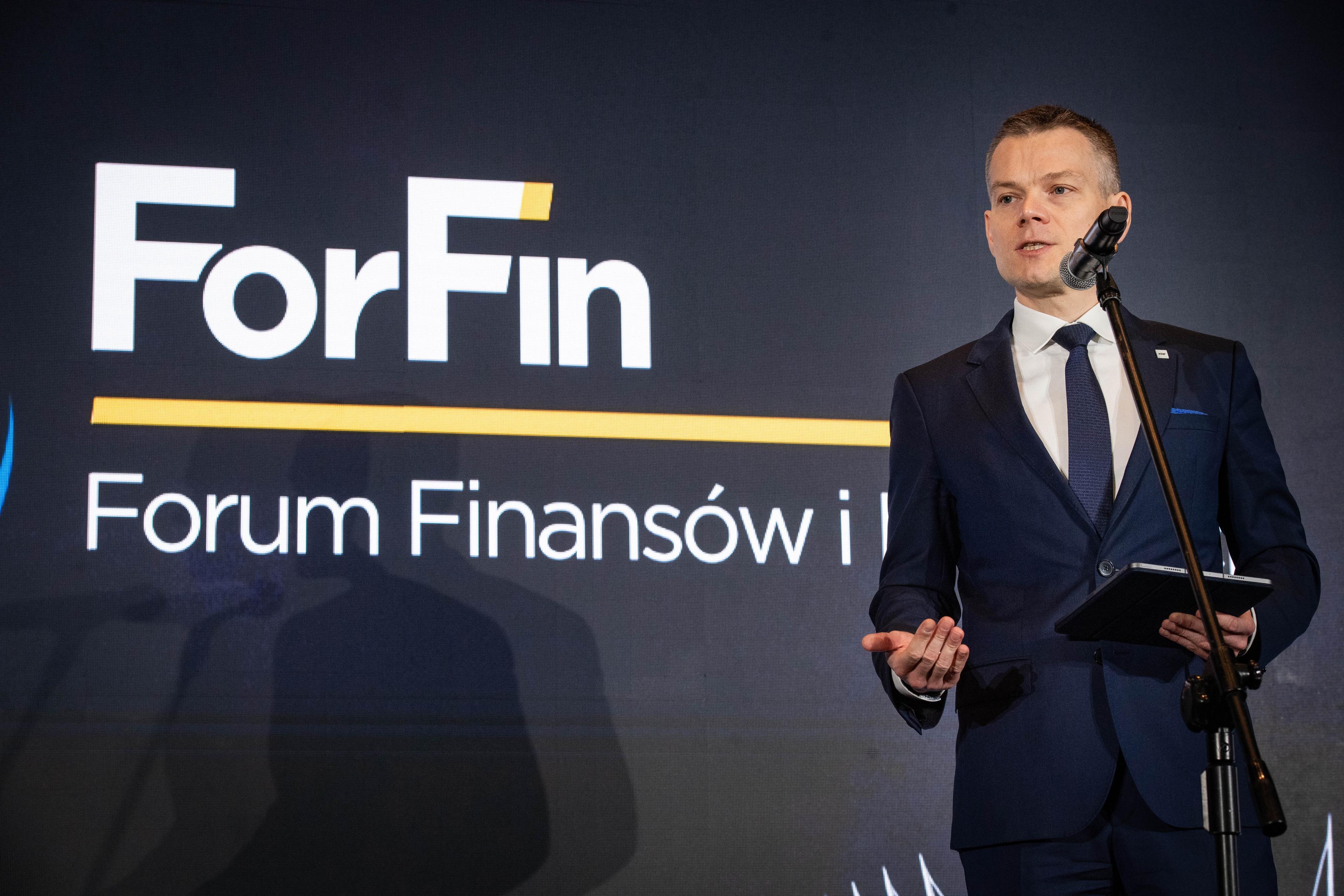
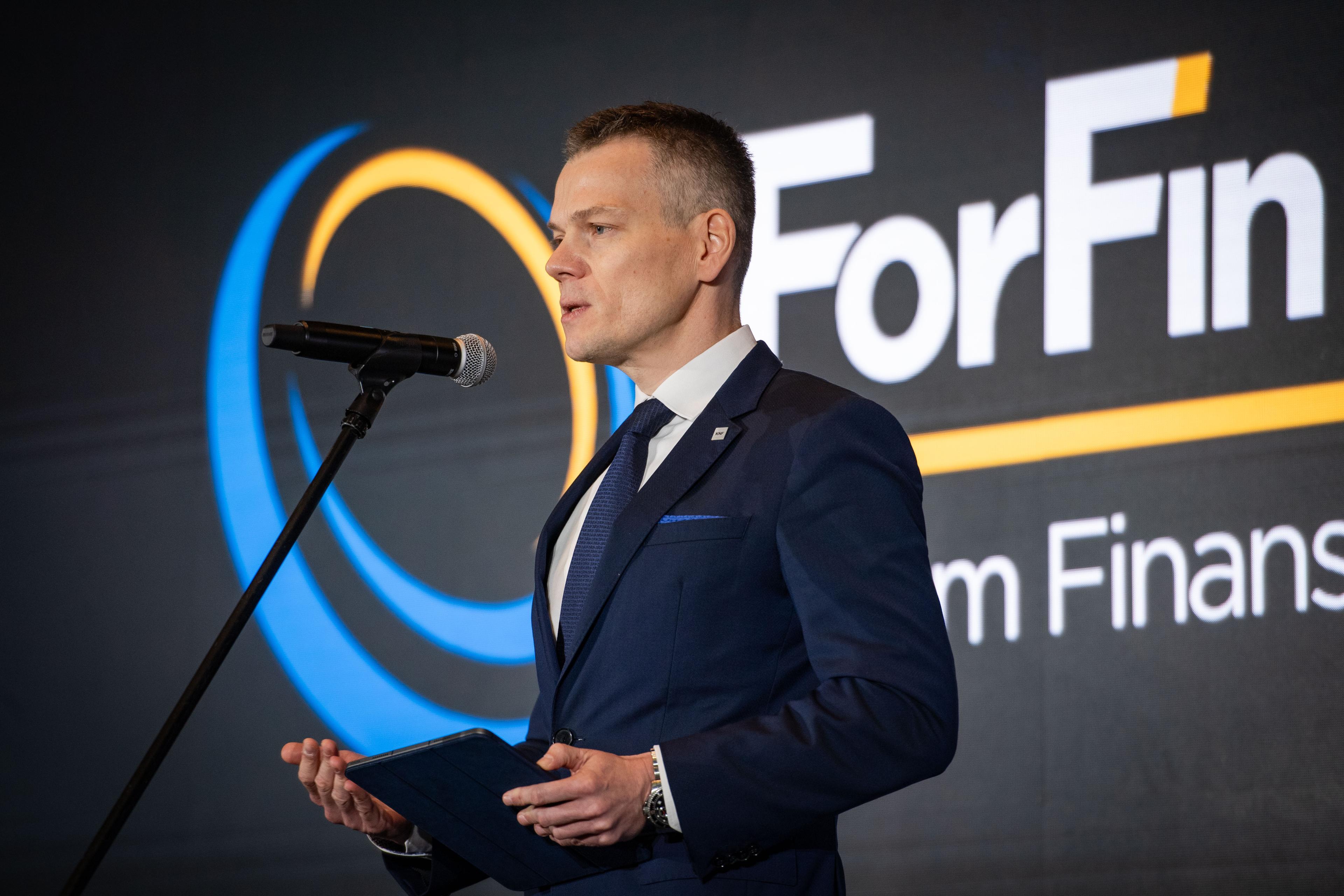
Jacek Jastrzębski, Chair of the KNF, spoke at the opening of the ‘ForFin 2025’ Finance and Investment Forum
‘We want to make sure that retail investors feel good in the Polish capital market.’
Jacek Jastrzębski at ForFin 2025
Jacek Jastrzębski, Chair of the KNF, spoke at the opening of the ‘ForFin 2025’ Finance and Investment Forum, organised by the Polish Association of Individual Investors. The speech was preceded by a presentation of the results of this year’s edition of the National Investor Survey, conducted in a strategic partnership with the KNF.
Jacek Jastrzębski has emphasised that one of the key conclusions from the most recent Survey is that the share of young investors in the Polish capital market is growing. He has assessed that it is a positive thing, as the young generation starts consciously recognising the need for long-term savings for their future retirement, which demonstrates the society’s growing financial awareness. He has also identified potential factors contributing to this trend: systemic incentives (IKE and IKZE accounts), better financial education, and technological ease of investing. He has pointed out that the increasingly younger structure of investors brings benefits to the entire market, which this way gains energy and long-term participants.
The Chair of the KNF has also stressed the importance of the planned solutions for preferential taxation, such as the Personal Investment Account project. He has also noted an interesting attitude among investors who, according to the Survey, do not call for a complete abolition of the tax on capital income but propose that the relief, if any, could apply mainly to, for example, long-term investments, and this is a sign of the investors’ maturity and realism.
The results of the Survey show a high growth rate in popularity of ETFs in Poland. The Chair of the KNF has admitted that the UKNF is working intensely to promote the availability and development of national ETFs. He has indicated three main reasons why they are popular: (1) easy and effective diversification of investments (even with low sums of money), (2) simplicity of digital channels, and (3) attractiveness to young investors, raised in a culture of mobile apps.
In the Chair’s opinion, one of the major concerns highlighted by the Survey is the growing relevance of social media as the main source of investors’ knowledge, with a decreasing role of professional advice. This is particularly dangerous in combination with the fact that investors themselves declare that their level of financial education is inadequate. In this regard, the Chair mentioned a recent increase in the exposure to the risk of manipulation and fraud, and the problem of verifying the credibility of content on investing. He has firmly said that the growing wave of fraud cannot be fully contained, and this is why it is so important to build the ‘internal resilience’ of investors.
Jacek Jastrzębski has noted that according to the Survey, crypto-assets are now a ‘hot’ trend, but investors see it as only one of many future categories of assets, not necessarily the dominant one. This is why it is especially important that the first experiences of young investors with this class of assets do not discourage them from further investments in the capital market. He has expressed hope that national regulations on crypto-assets will enter into force and announced that the UKNF is ready to start supervising this market segment.
The Chair of the KNF has stressed that the development of a modern, competitive economy, with the capital market being its essential component, cannot be done without a mature culture of risk acceptance. Retail investors, who are willing to take greater risk than in the case of a bank deposit, are creating capital for innovative projects. He has distinguished two types of risk: the risk of failure of investment projects and economic projects, which is naturally and inextricably linked to investments – a risk that an investor should bear with awareness, and the risk of fraud, misselling or defective products – a risk that the investor should be protected from by the state. He has added that this can never be a 100% protection, since investment fraud is a form of an organised global business these days. This is why the efforts to improve ‘internal resilience’ of investors, which stems from the awareness of threats and from education, are so important.
In his speech, the Chair has also referred to the specific nature of using foreign investment platforms which operate in Poland based on a licence of other EU countries. He has emphasised that the phenomenon is to some degree positive; it enhances competition and offers more choices to Polish investors but also leads to differences in the scope of client protection and supervision over such business, depending on the business model. However, special caution should be applied towards non-EU entities, since seeking protection, including claims that clients may have against such entities, might pose very substantial difficulties in practice.
Finally, Jacek Jastrzębski has emphasised the important role of cooperation with the Polish Association of Individual Investors. As an example, he has referred to the ongoing work on the regulatory model of mandatory share buyout . He has announced that the UKNF is going to put forward a new proposal in this respect, which should live up to investors’ expectations.