Multimedia - Komisja Nadzoru Finansowego

COMMUNICATION
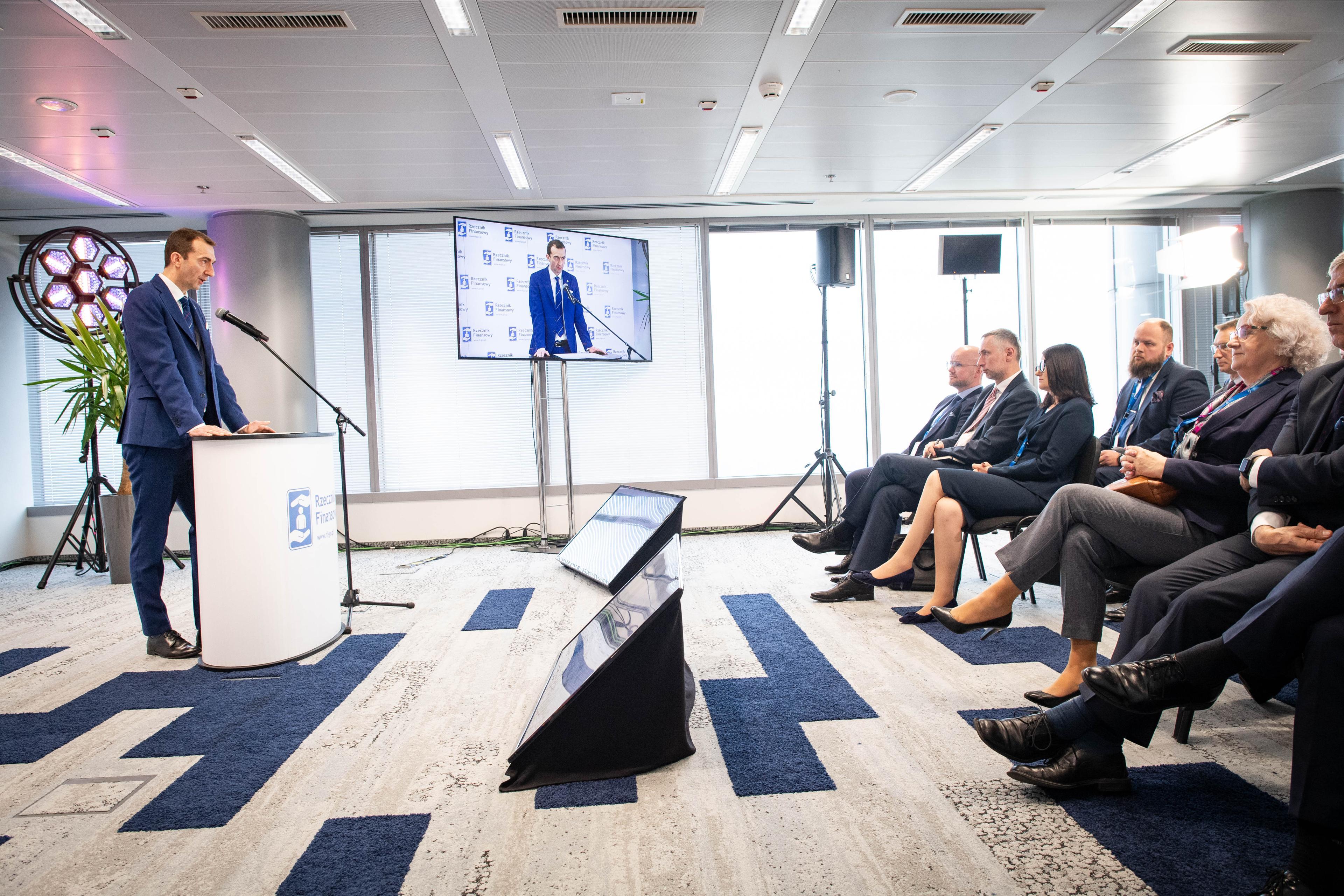
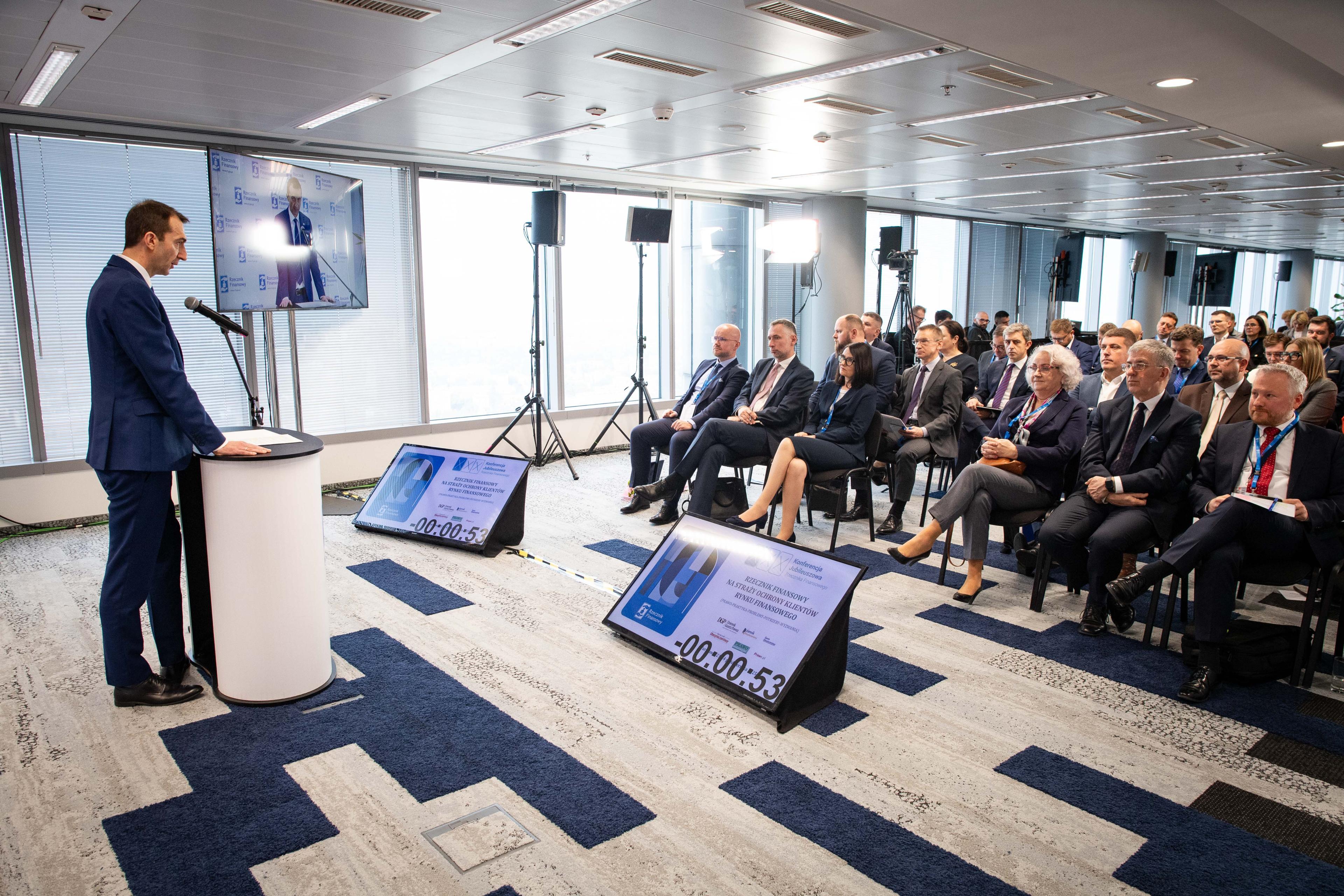
Krystian Wiercioch spoke at the Jubilee Conference of the Financial Ombudsman
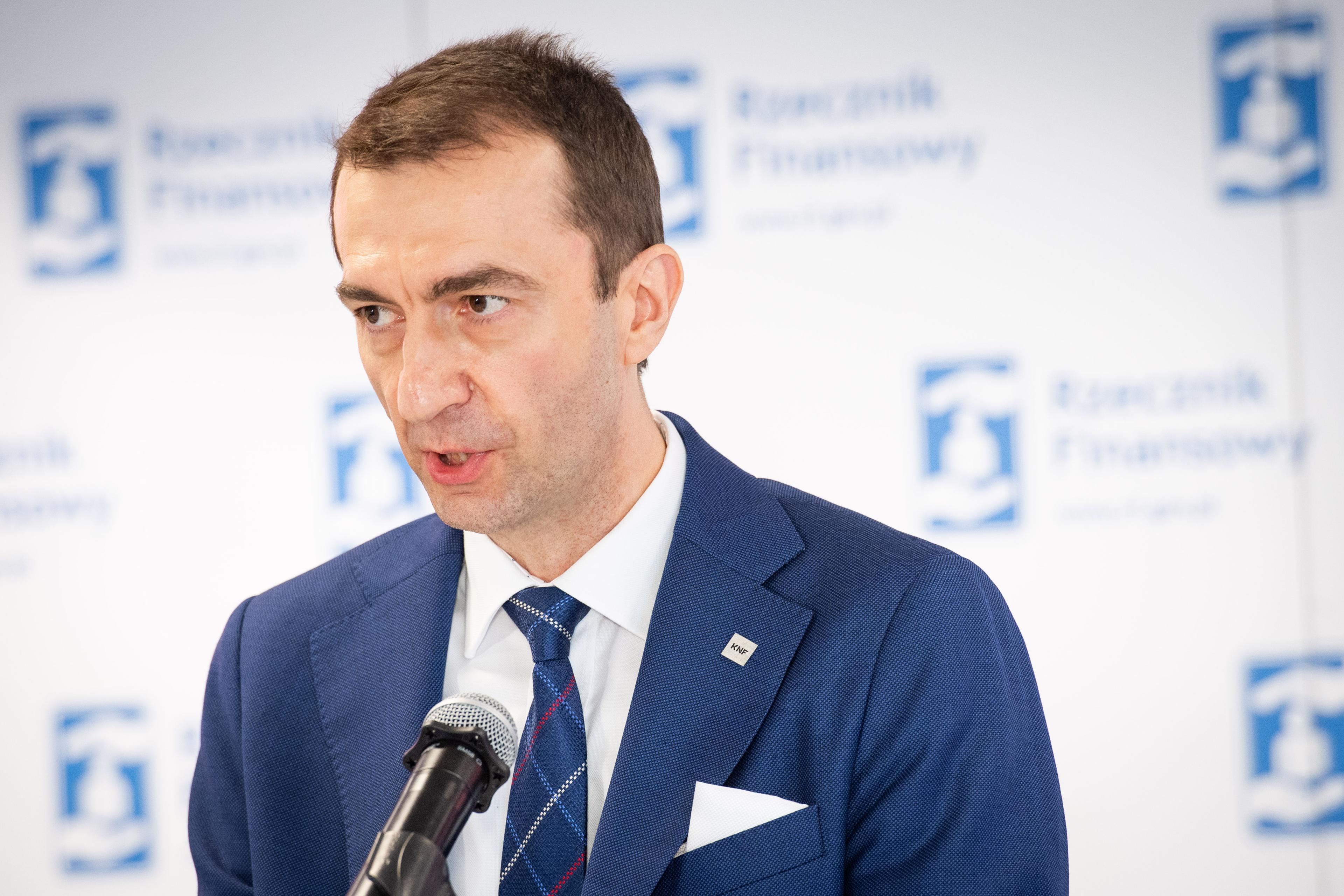
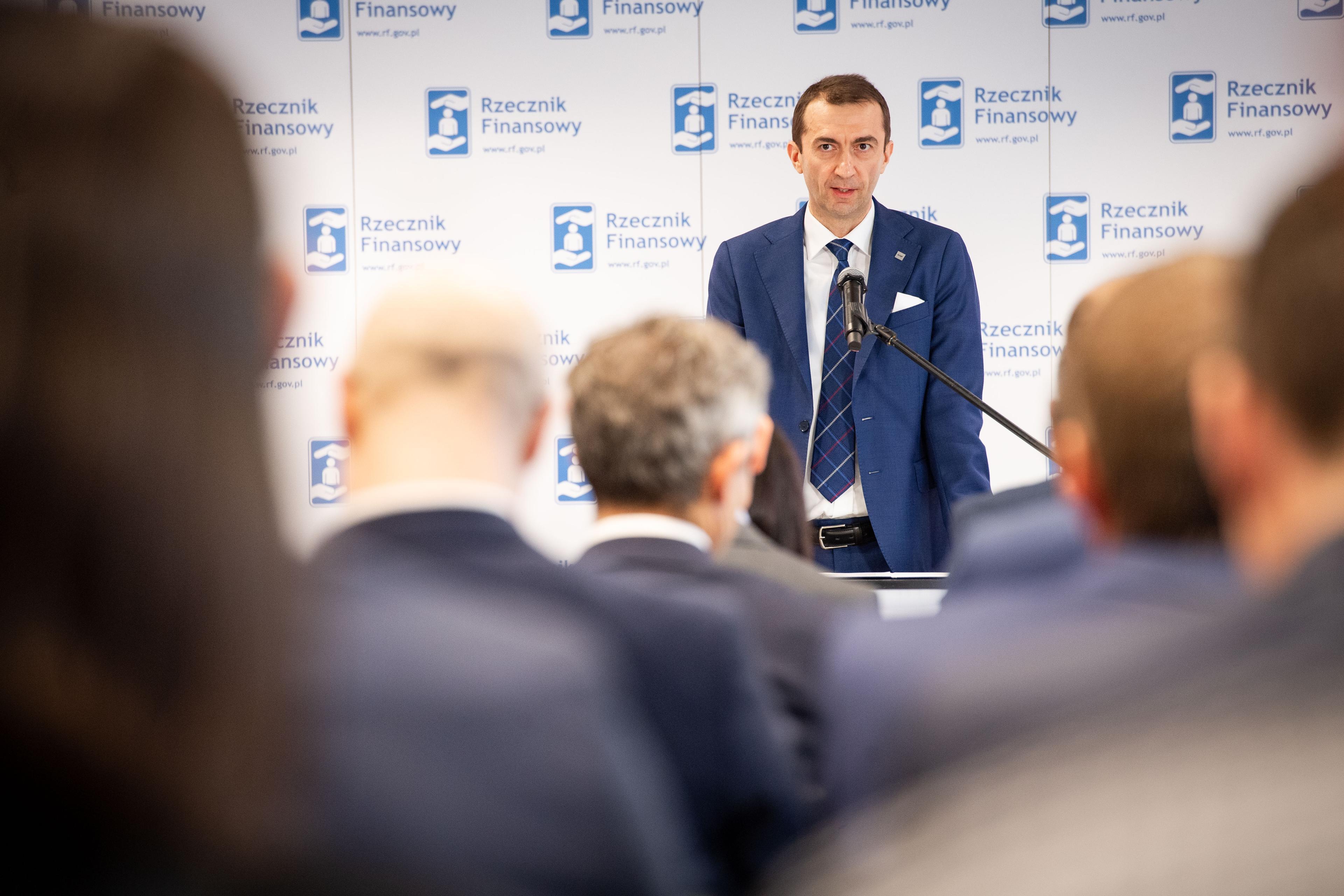
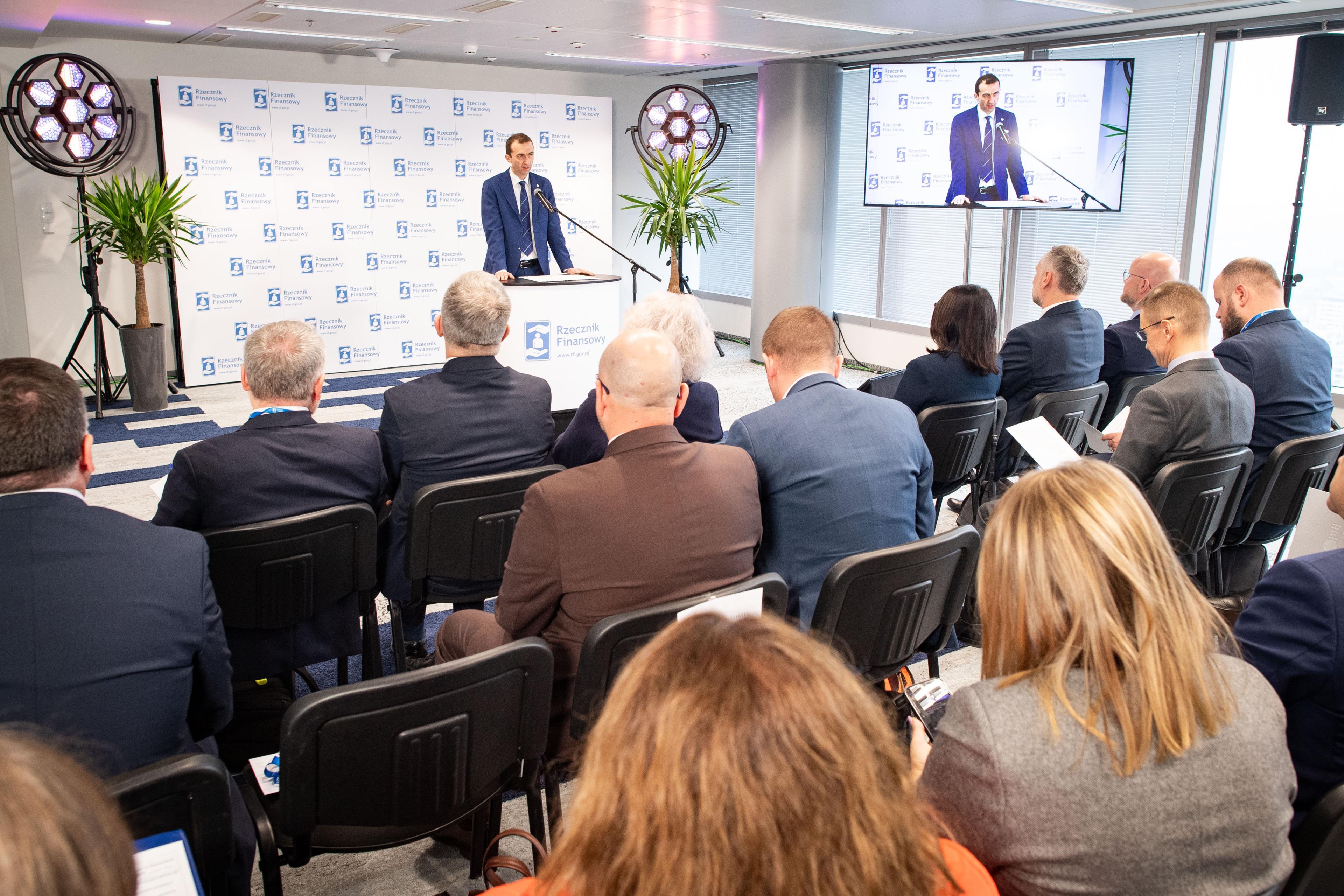
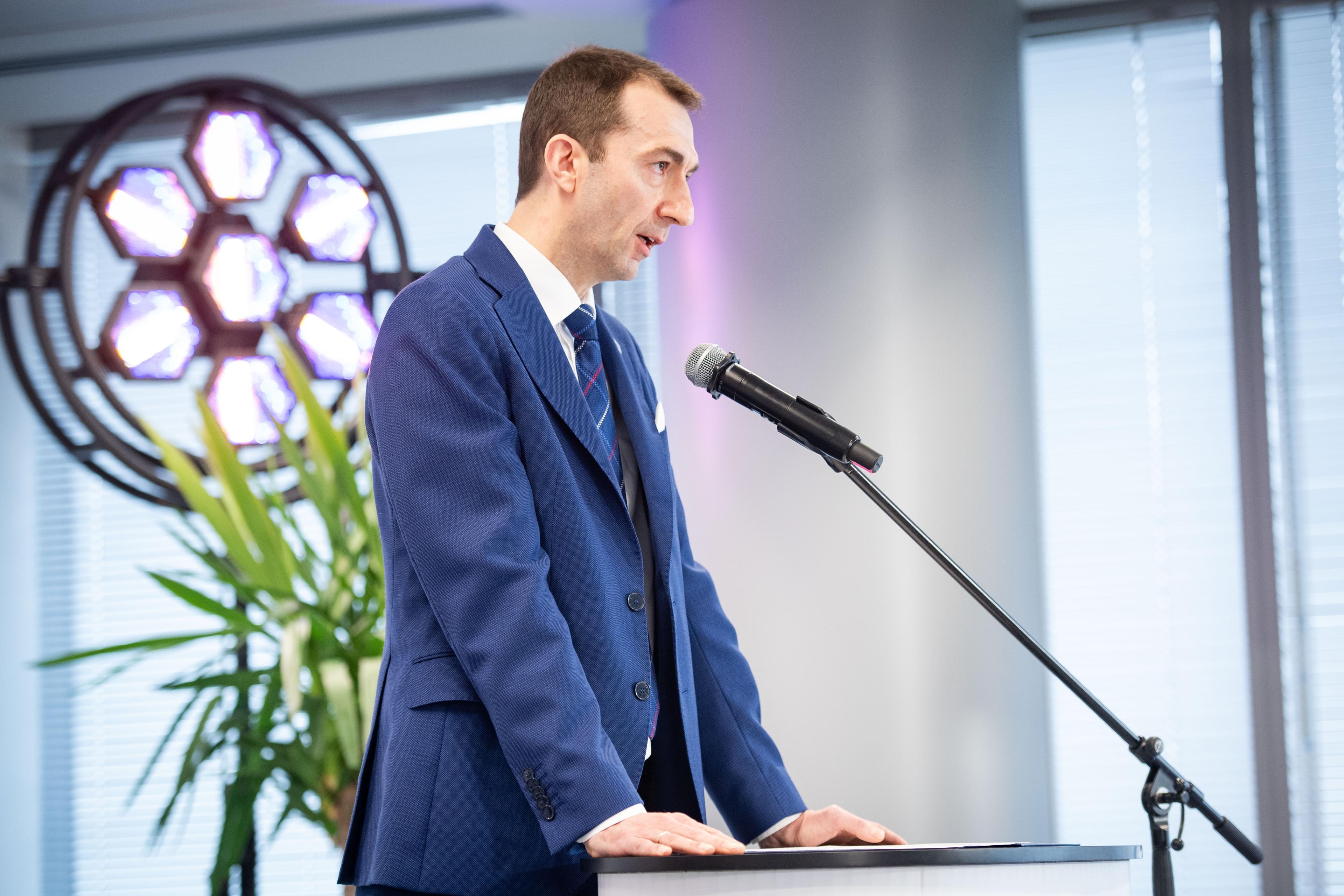
Krystian Wiercioch, Deputy Chair of the KNF, was one of the guests of honour at the Jubilee Conference of the Polish Financial Ombudsman.
Krystian Wiercioch offered his congratulations on the 10th anniversary of the office of Financial Ombudsman, which was established in 2015 following a transformation of the office of Ombudsman of the Insured set up in 1995. The conference was dedicated to the summary of the last 30 years of activities and to discussions on new challenges in the area of client protection in the financial market.
Krystian Wiercioch emphasised that technological development, new business models, cryptocurrencies, cybercrime, climate change and the effects of conventional and subversive warfare, represent challenges that have to be faced right now and that it is necessary to adapt supervisory tools and improve expert skills. He said it was worthwhile to reflect on the current level of consumer protection and the directions for its further development, including in the context of those challenges. He noted that the Financial Ombudsman had for years had an extremely important mission: he helps the market participants that need support and explanation when interacting with big institutions, or just need to be heard. This role requires not only knowledge, but also great empathy.
Krystian Wiercioch said that the KNF and the Financial Ombudsman perform different functions but share a common goal: to protect confidence in the financial market. The Ombudsman helps specific individuals in specific matters by providing them with support, representation, and a sense of safety. The KNF, on the other hand, makes sure that the client support processes existing at financial institutions function properly, so that the financial system is stable and the institutions operate fairly, transparently, and lawfully. In supervising the financial market, the KNF takes into consideration both the level of client protection and the financial security and solvency of supervised entities. This balance is the foundation for effective supervision and one of our most challenging tasks.
He added that, on the one hand, the main task was to ensure that clients had access to full, clear and reliable information – with information becoming more and more complex, though – so that they could make decisions based on facts, not emotions. In this context, it is important that financial institutions design their products in a way that is transparent, simple and appropriate to clients’ needs, so that the products themselves do not generate excessive or latent risk. On the other hand, we must be mindful of the fact that if the effects of a materialised risk are transferred unjustifiably from clients to financial institutions – contrary to the original distribution of risk according to a contract or product design – this may negatively affect the solvency of such institutions, thus threatening the stability of the entire financial system. Such a phenomenon also disrupts the proportions of responsibility among market participants and ultimately harms both clients and the market itself. Krystian Wiercioch clarified that he referred to situations where the original distribution of risk had been clear and clients had received products which had been appropriate to their needs and expectations.
He also said that the world of finance, just like the entire economy, is not detached from risk. Risk is its natural component. The role of the supervisor and the client protection rule is not to eliminate risk completely but to ensure that it is comprehensible, proportional, and properly communicated. In many situations, the client makes informed investment or credit decisions, being aware of possible consequences. Therefore, one cannot lift the responsibility for the effects of the client’s decisions off the client’s shoulders. Overprotection – understood as lifting the whole burden of negative consequences of the client’s own decisions off the client – may lead to moral hazard and weaken the culture of responsibility in the market.
This is why – according to Krystian Wiercioch – what is needed is a wise balance between care for the client and healthy rules for the functioning of the market. Client protection should not be understood as depriving clients of their role of a subject who makes decisions in a conscious and responsible way. At the same time, financial institutions are responsible for the effects of improper sale of their products and for offering solutions which do not match the clients’ actual needs.
Krystian Wiercioch emphasised that the common task of both the KNF and the Financial Ombudsman was, therefore, to shape a framework for regulation and communication which will enable clients to make decisions in a fully responsible manner, according to their individual level of risk appetite. However, there can be no discussion about informed financial decisions without education. This is why it is important that the activities of the KNF and the Financial Ombudsman comprise not only providing direct assistance and supervisory protection but also raising financial literacy in the society. Education allows clients to better understand how financial products function and to better assess the risk associated with investing or assuming obligations. A well-informed client is not only a market participant that is better protected but also a component which enhances the stability of the whole financial system.