Multimedia - Komisja Nadzoru Finansowego

COMMUNICATION
Jacek Jastrzębski spoke at the conference of the Warsaw Bar Association
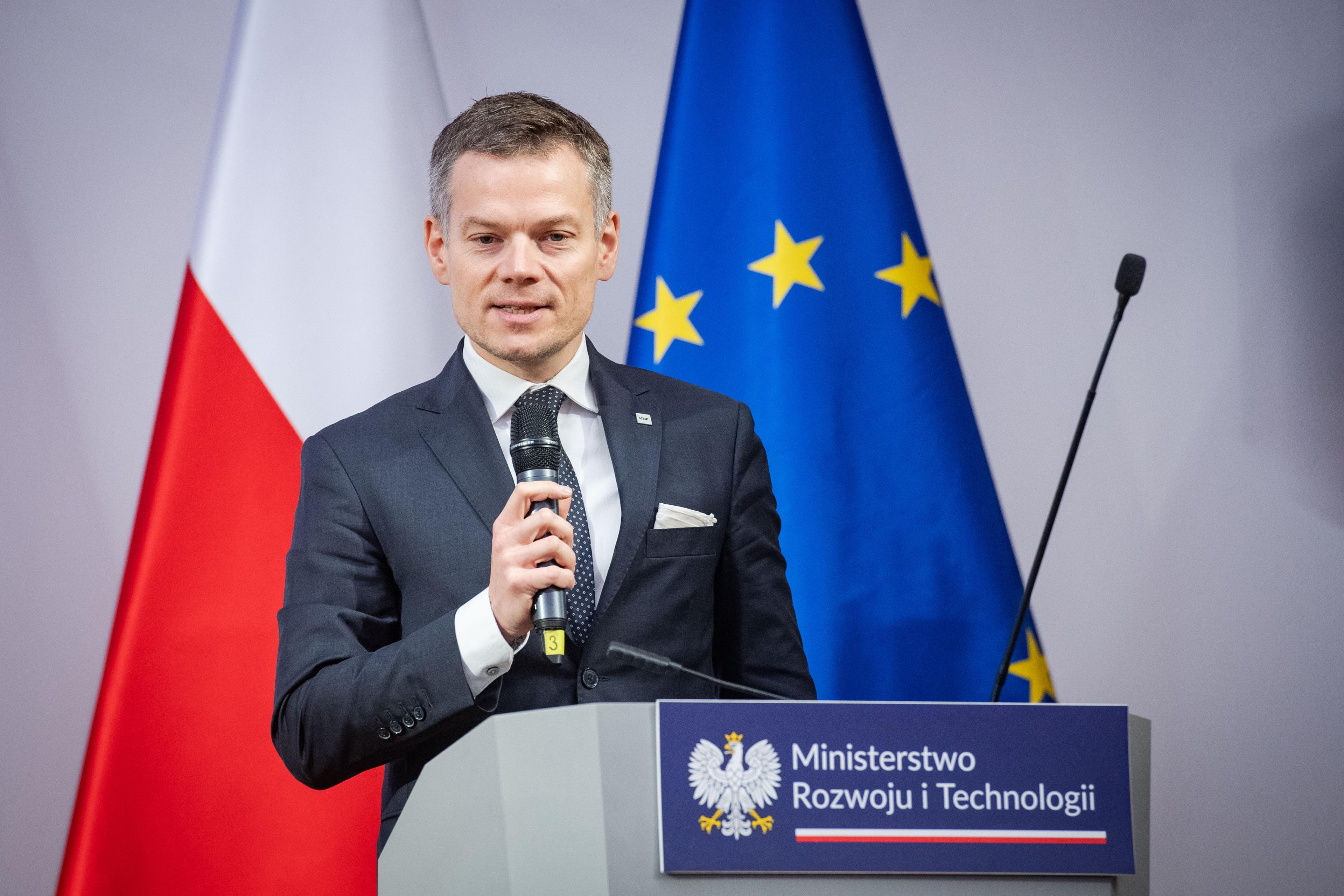
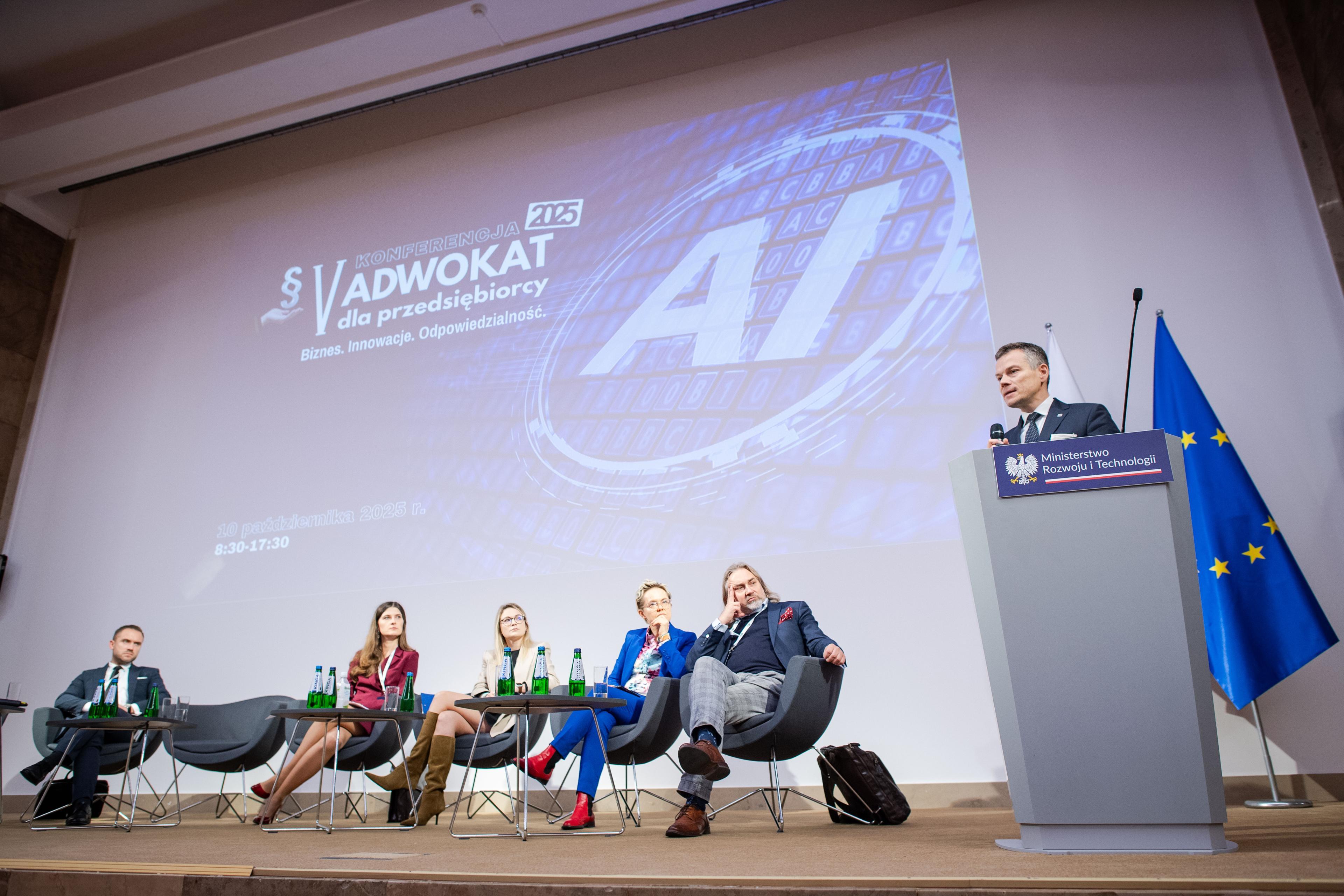
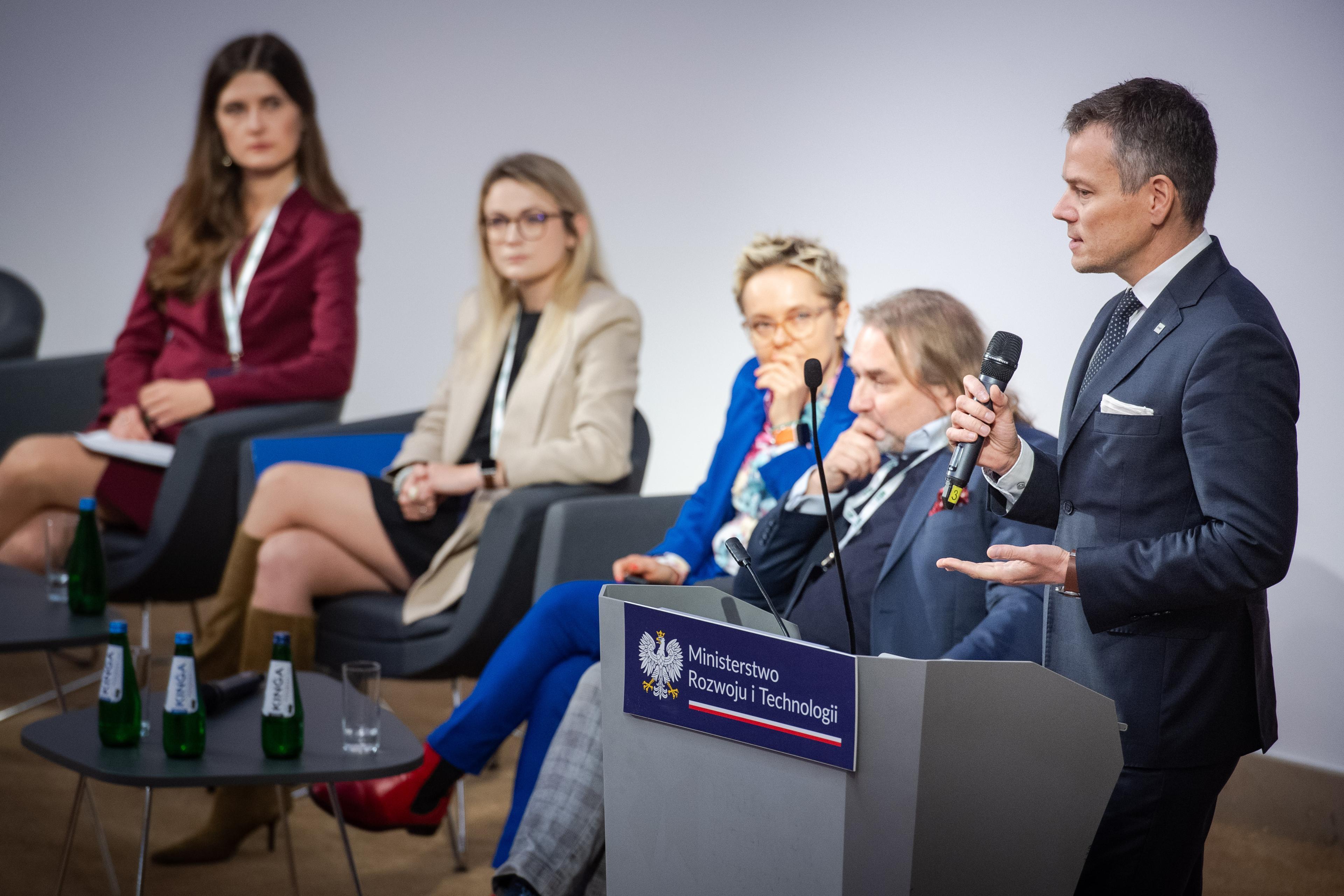
Jacek Jastrzębski, Chair of the KNF, delivered a speech at the conference organised by the Warsaw Bar Association and the Sections of Law Practitioners of the Warsaw Bar Association – ‘Lawyer for entrepreneurs. Business. Innovation. Responsibility’. The title of his speech was ‘Financial market security in the era of new technologies and deregulation’.
Jacek Jastrzębski referred to the public debate on deregulation and simplification. He emphasised the need to differentiate between the two notions. Simplification (as a response to overregulation) consists in making regulations simpler, more accessible, and less detailed, which gives market participants more flexibility and allows for exploring optimal solutions and making optimal decisions. Deregulation, on the other hand, involves a deeper shift in approach to risk in the legal and economic systems. In Europe, there is, for instance, a tendency to ‘calibrate’ the economic system while minimising risk – a tendency stemming from cultural and social circumstances. In the United States, the level of risk acceptance is higher; crises are more violent than in Europe, yet the ability to cope with them is also greater.
Jacek Jastrzębski indicated that both public administration and market players used detailed regulations eagerly, as the regulations resembled ‘user manuals’, which gave them a false sense of comfort and security, reducing responsibility and willingness to take an initiative at the same time. He mentioned a lack of trust between various public and market actors, which is particularly evident at the EU level, as well as the reluctance of those applying the law to take on greater responsibility, as reasons behind overregulation. On top of that, there is the issue of competence; if the competence to understand the essence of phenomena is lacking, there is a natural tendency to hide behind procedures. He pointed to the fact that effective simplification requires not only legislative changes but also bolder interpretation and enhanced competence, to be able to look for solutions based on the essence of legal regulations instead of applying them uncritically.
As far as deregulation is concerned, the Chair of the KNF emphasised that it could be treated as a universal good; all depends on the specificity of the market, the level of risk acceptance in a given economic culture and a kind of social consensus. For example, the capital market in Europe could benefit from a greater risk tolerance as it would enable it to grow and play a more important role in the economy than it does today. The banking sector and the prudential system built around it, on the other hand, survived the most recent crises well, which is why, in this case, the approach to deregulation should be more careful.
Jacek Jastrzębski also referred to regulations on cybersecurity and technology. He indicated that room for deregulation was limited in this area. He referred to the opinions of representatives of the commercial sector itself, which had accepted the current requirements of the DORA package, perceiving them as demanding but necessary, and ultimately beneficial. He pointed, however, to the challenge of regulatory proportionality: smaller entities may experience more difficulties in implementing the requirements that are easier to implement for larger institutions. Meanwhile, it is a weakness of a single small link of the chain that may pose a threat to the entire system.
According to the Chair of the KNF, departing from regulations drafted as if they were ‘user manuals’ means transferring more liability to practitioners, including lawyers, who act as ‘safe fuses’, which creates an enormous potential capital for them. This requires not only the knowledge of regulations but also the understanding of their objective, sense, and values they are supposed to protect. AI may take over some work consisting in the analysis of complex legal acts, which is why lawyers need to focus on values, ethics, ability to assess risks, and providing advice in ambiguous situations.