Multimedia - Komisja Nadzoru Finansowego

COMMUNICATION
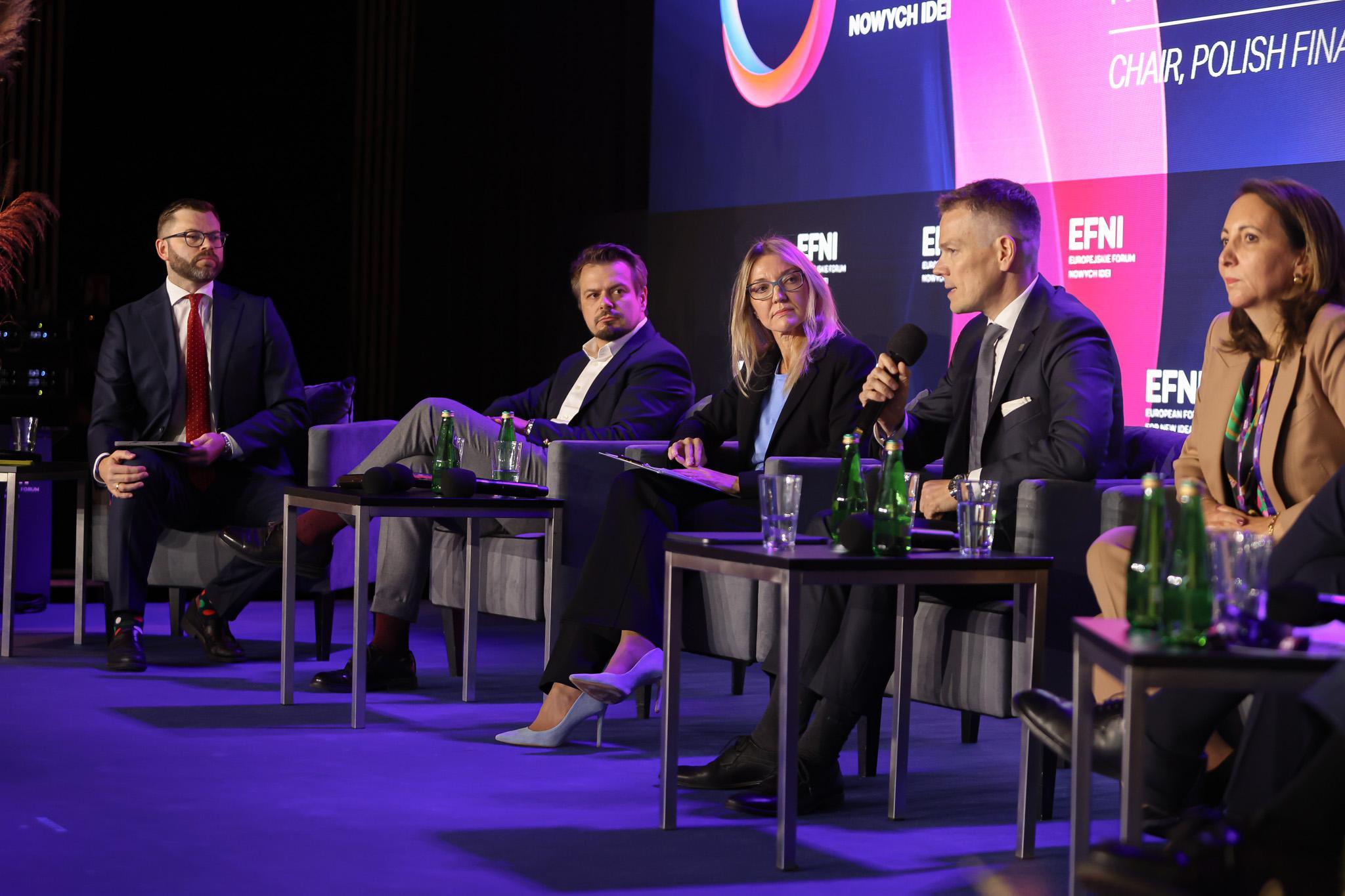
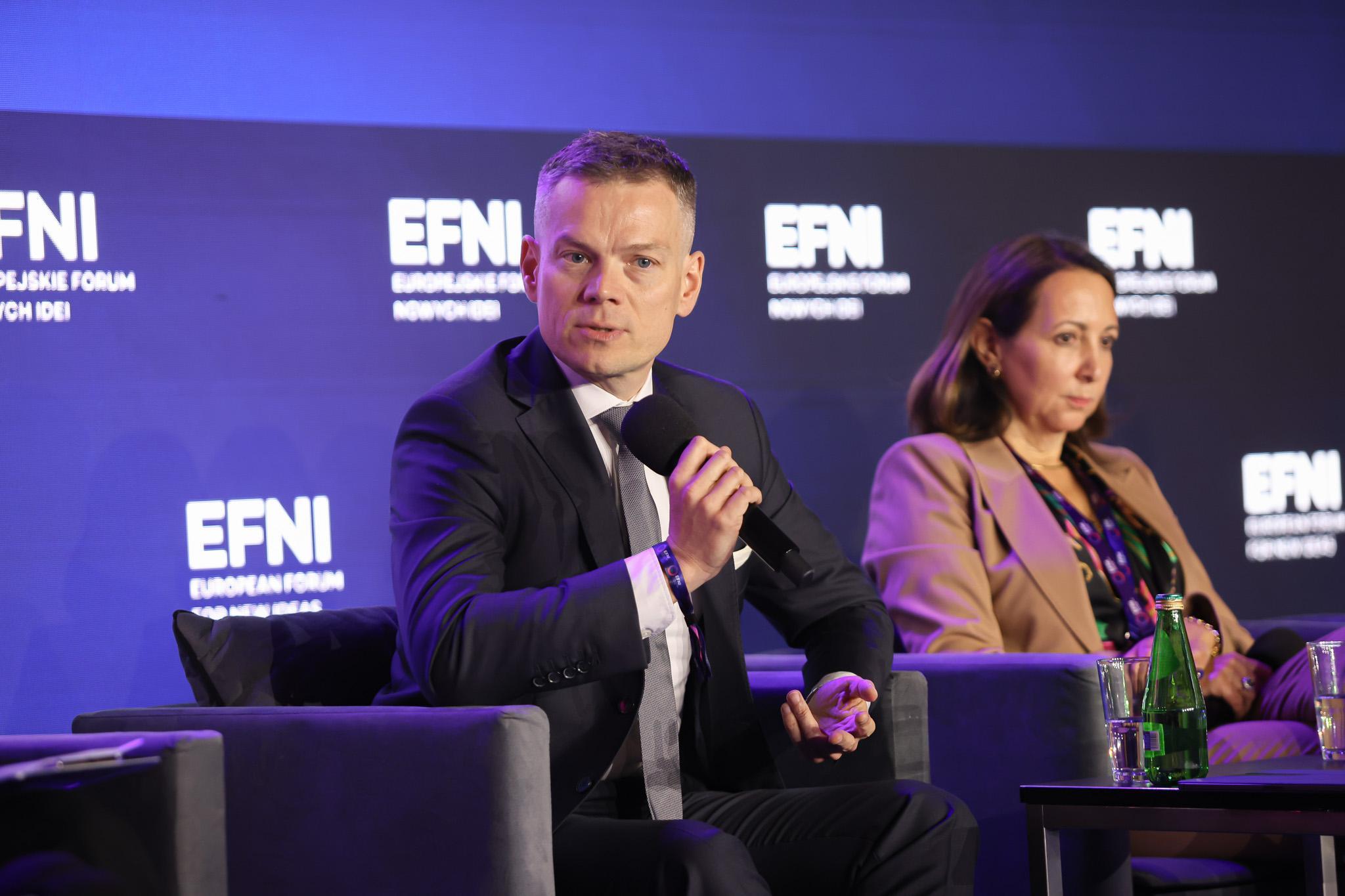
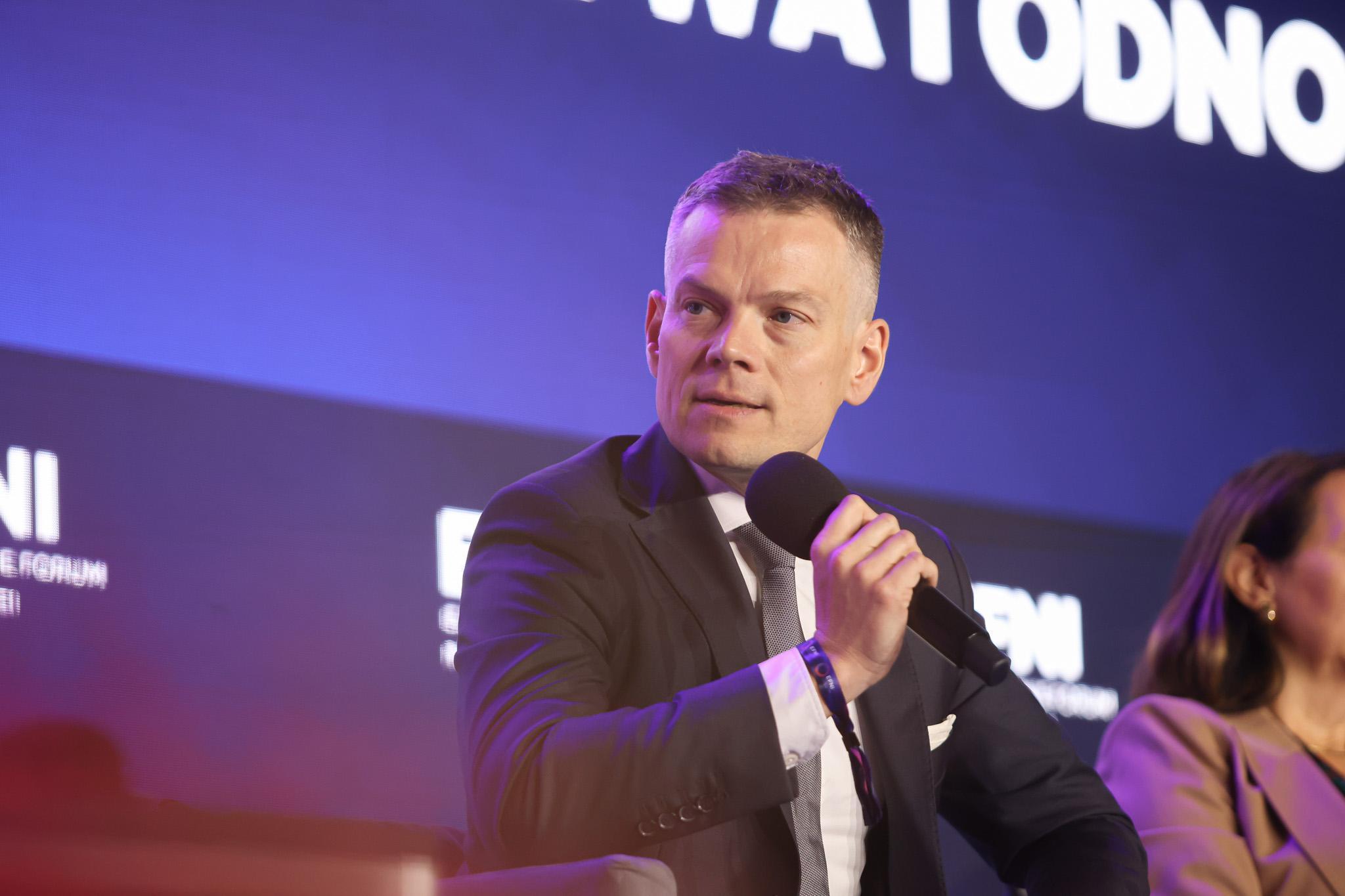
Jacek Jastrzębski spoke at the EFNI panel
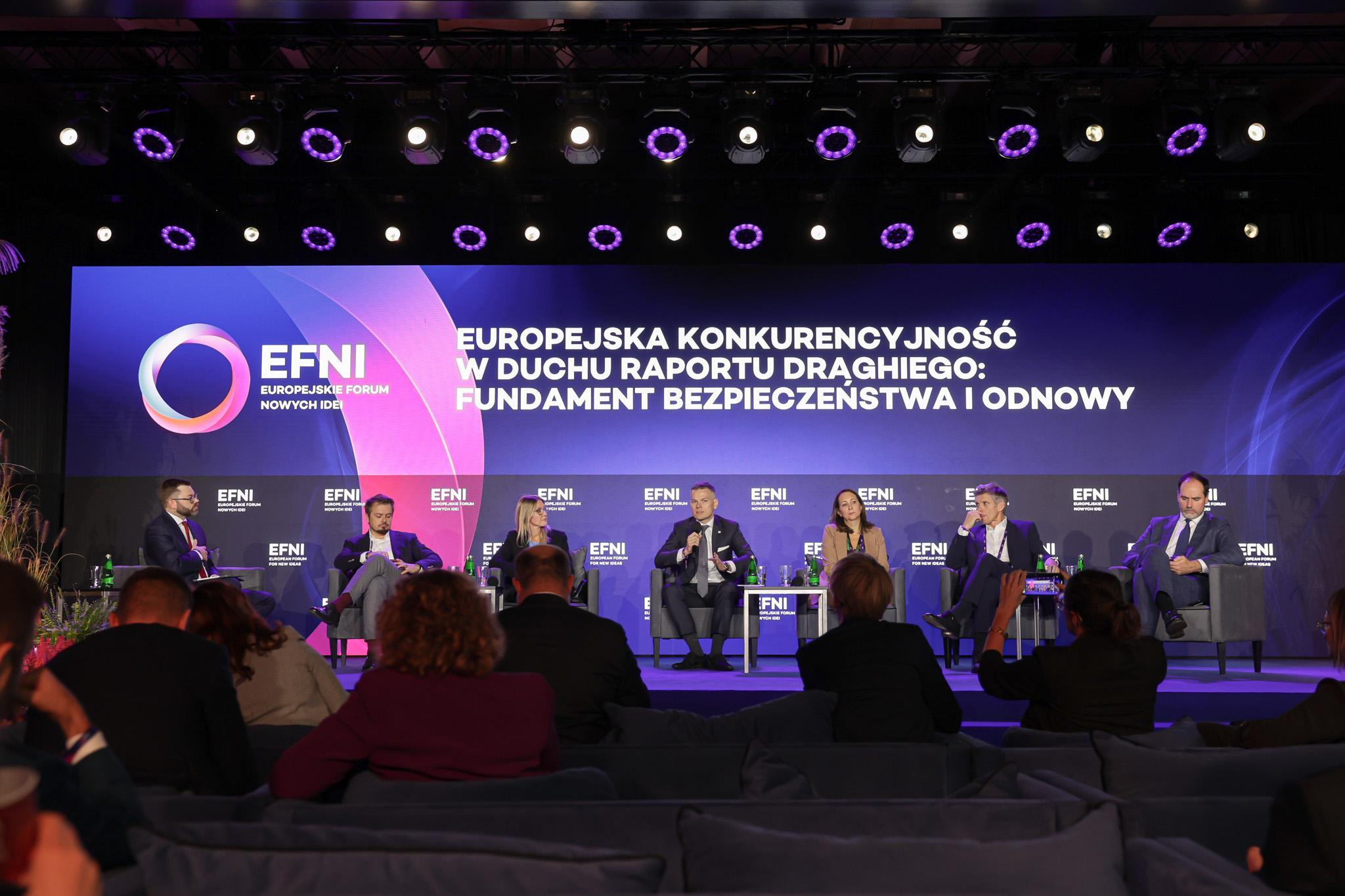
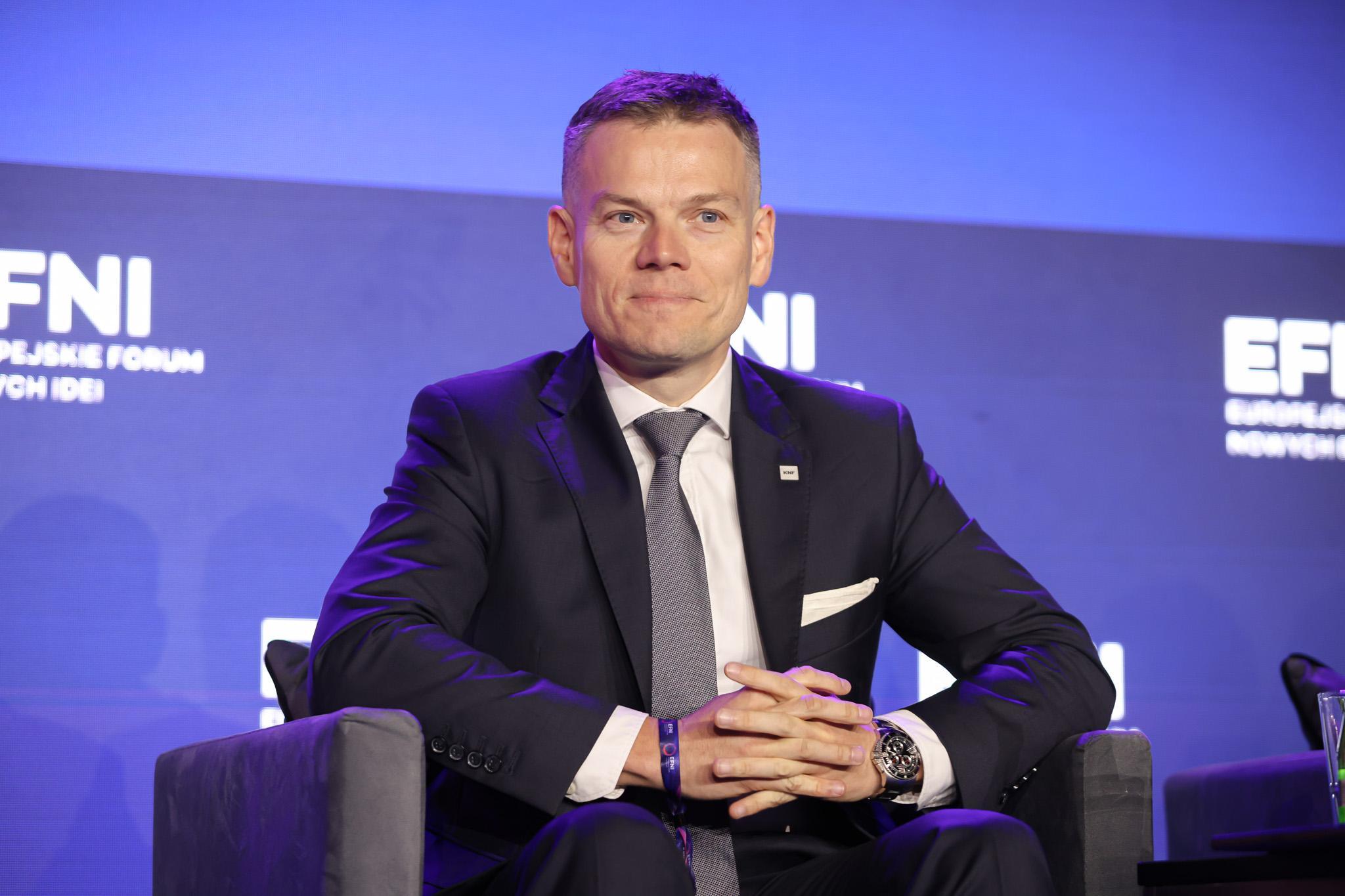
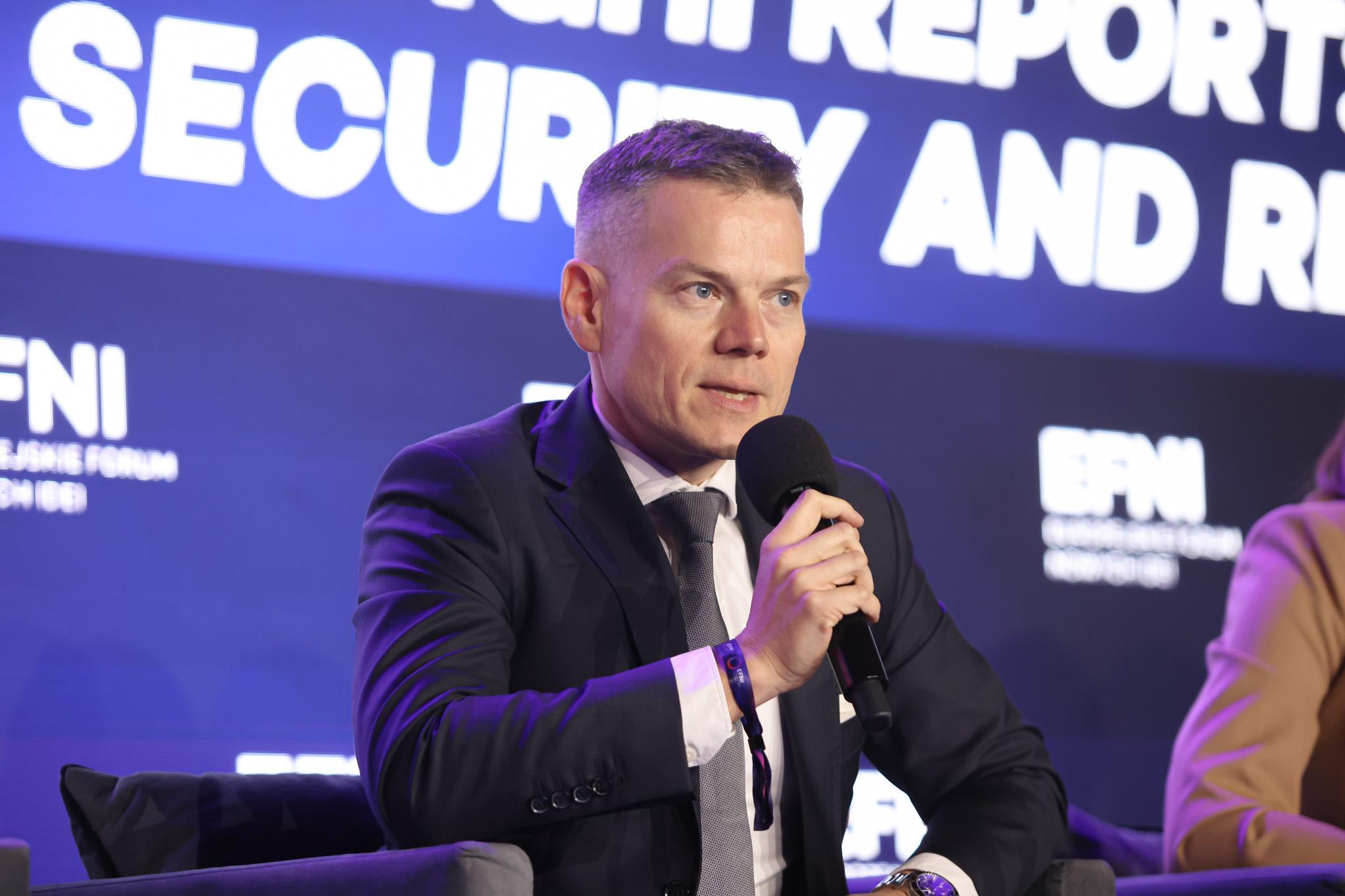
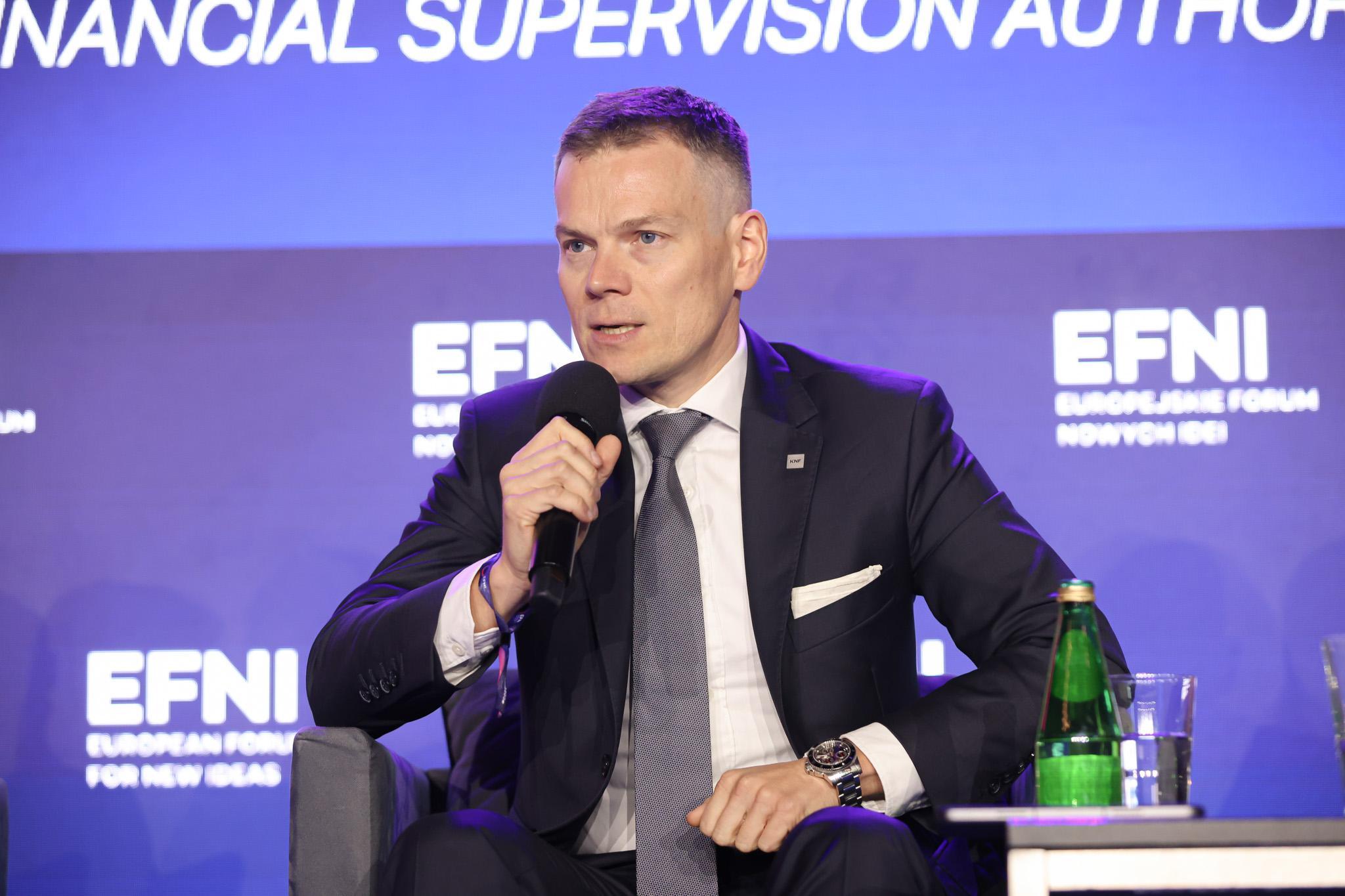
Jacek Jastrzębski, Chair of the KNF, took part in the European Forum for New Ideas (EFNI) and spoke at the panel titled ‘European competitiveness in the spirit of the Draghi Report: A foundation for security and renewal’.
In his contribution, Jacek Jastrzębski drew a distinction between deregulation and simplification. Simplification consists in making regulations simpler, departing from their excessive granularity, and focusing on objectives and results. This entails a shift from thinking about ‘procedures’ to thinking about ‘effects’. Deregulation, on the other hand, is an intentional reduction of regulations and controls, which means a higher risk tolerance in the economy. He added that the current regulations were overly technical, detailed, and case-based, which gave a false sense of security. This status quo, as much comfortable as it seems, hampers innovation, flexibility, and the accountability of market participants. The Chair of the KNF advocates, therefore, for departing from the ‘user manual’ style of law-making and going back to the simplicity of regulations oriented towards an objective and not a process. According to the Chair of the KNF, simplification of law is a direction which may and should be pursued without compromising security.
Jacek Jastrzębski noted that the level of regulation of the economy was not only the consequence of political decisions but the reflection of the level of risk tolerance prevalent in the society. Contrary to the United States, Europe is traditionally less willing to accept risk, which translates into more stringent regulations. For this reason, deregulation (contrary to mere simplification) requires a wide public debate and an informed decision about whether the society is willing to accept a higher level of risk in exchange for a more rapid growth. In order to give an example of an area in which such a change could be beneficial, he referred to the capital market, which – in Europe – had given way to the more conservative banking sector.
The Chair of the KNF emphasised that cybersecurity had become one of the strategic priorities of the Polish supervision authority. As early as in 2019, CSIRT KNF was established as a team carrying out the tasks of the Sectoral Team for Cybersecurity for the financial sector. The decision, as he emphasised, had proven to be a great success. He noted that the COVID-19 pandemic had accelerated the digitalisation of life, including financial services, while Russia’s aggression against Ukraine in 2022 had been an actual test of digital resilience. In those circumstances, investments in security proved not only justified but also essential for the continuity of the Polish financial sector.
According to Jacek Jastrzębski, the Polish banking sector is today among the most modern and technologically advanced ones in Europe. Thanks to the so-called leapfrogging, namely skipping subsequent stages of development, Poland built a modern financial infrastructure that allows for offering customers universal access to online services. He warned, though, against excessive complacency: the world is developing dynamically, and new technologies will bring a new phase of challenges and opportunities. Poland should sustain its pace of innovation to preserve the advantage it has today.
He assessed that cybersecurity might become Poland’s competitive advantage. Due to its geopolitical location and exposure to risks (including war and hybrid ones), Poland is already investing in high digital security standards. The Chair of the KNF proposes that such technologies and skills should be exported and turned into a product of a high added value. In this manner, security stops being exclusively a cost and becomes a catalyst for development and innovation.
Jacek Jastrzębski also referred to the Finnish concept of the ‘total defence’ doctrine, based on social cohesion and cooperation among sectors. He emphasised that the KNF’s experience related to building a system of response to cyber incidents showed that trust and open communication among institutions were the key to success. Banks in Poland do not compete with each other in the area of security; they exchange information and experience, also with the supervision authority, knowing that the goal is to protect the entire system. The Chair of the KNF proposed that such a model of cooperation should also be extended to other sectors of the economy by establishing cooperation and contact networks among leaders of public and private institutions. Such ‘informal networks’ operating during peacetime could facilitate a rapid and coordinated response to a crisis. This, in his opinion, represents the essence of modern state security and the practical dimension of social cohesion.