Multimedia - Komisja Nadzoru Finansowego

COMMUNICATION
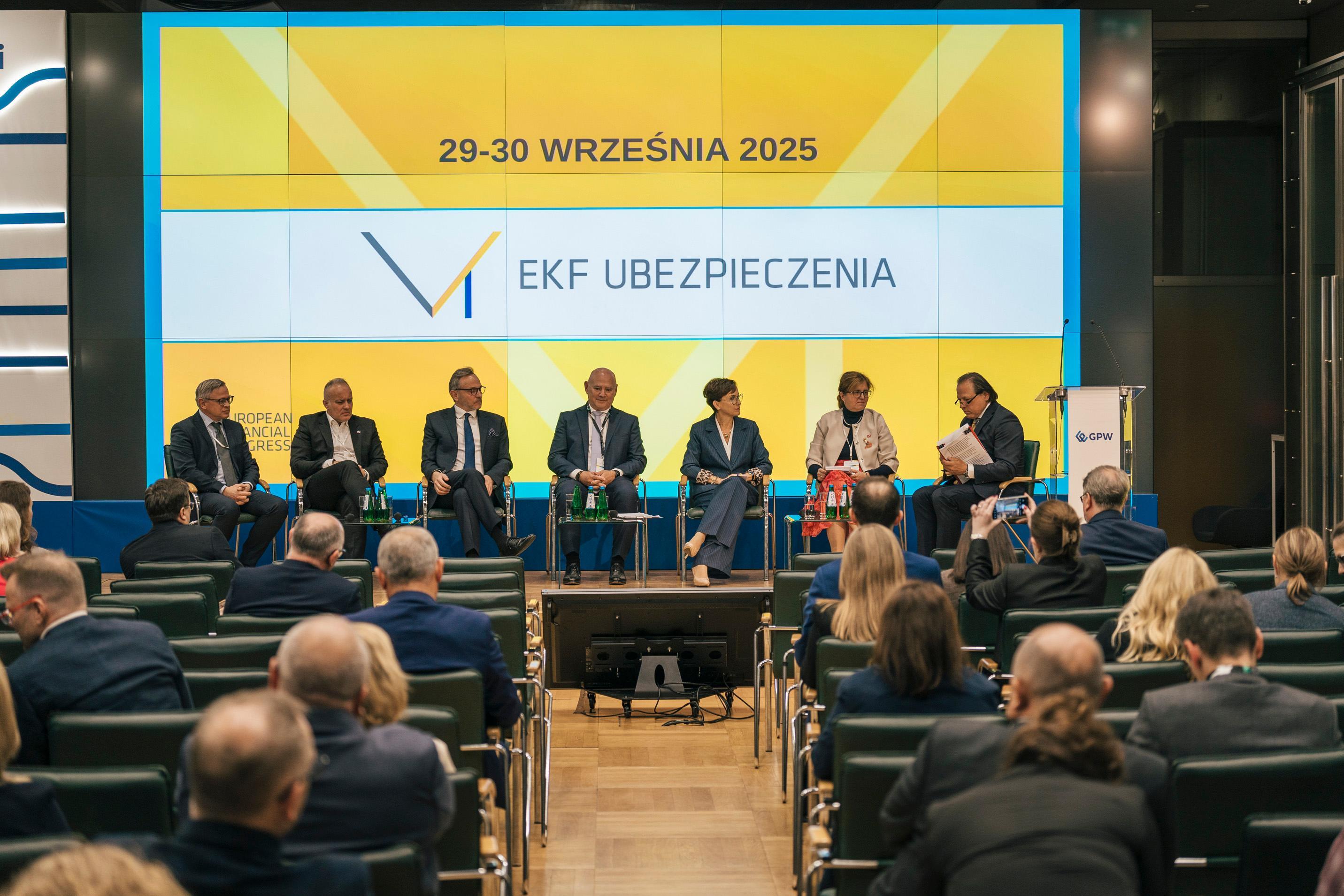
Representatives of the UKNF attended EKF Insurance Conference 2025
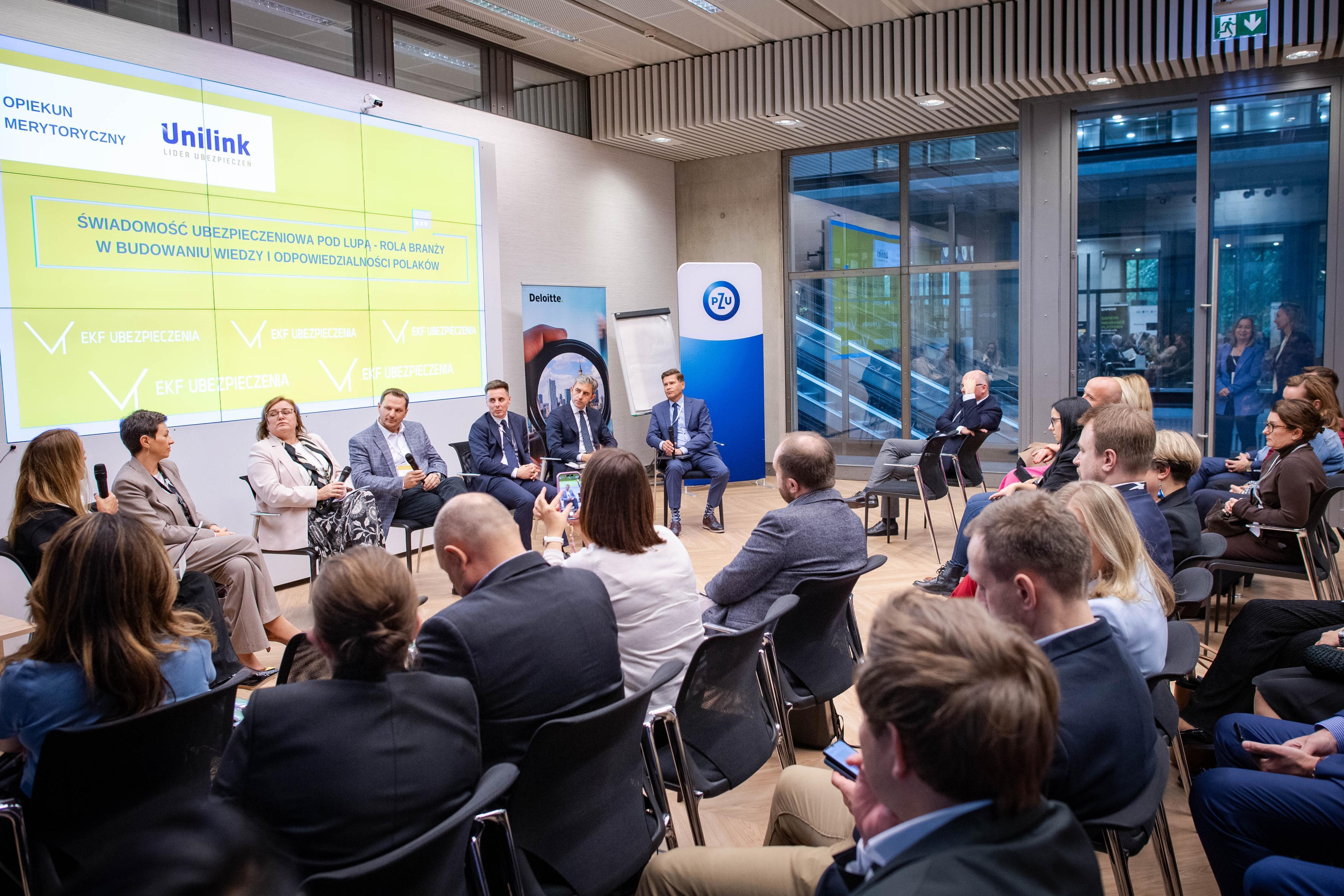
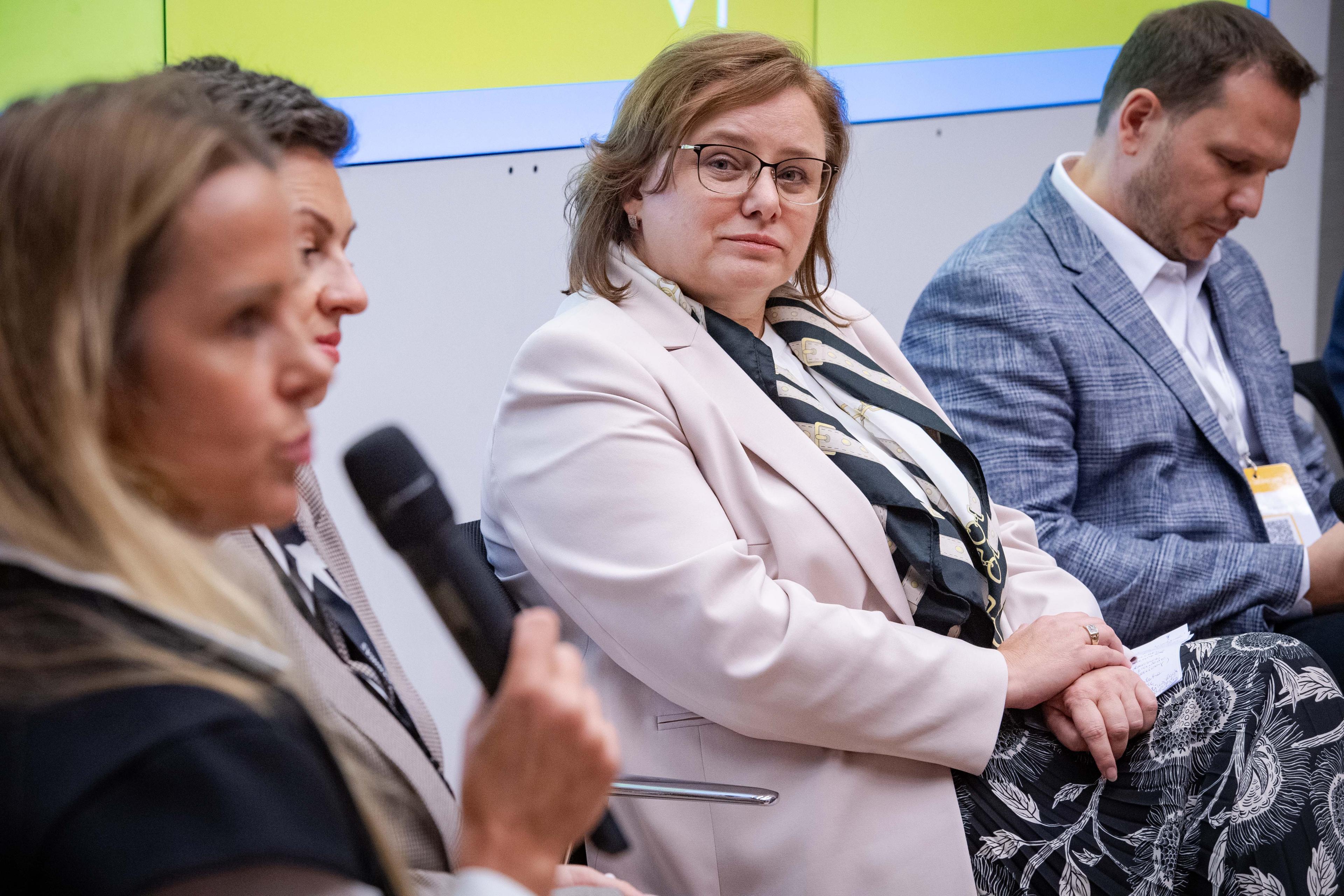
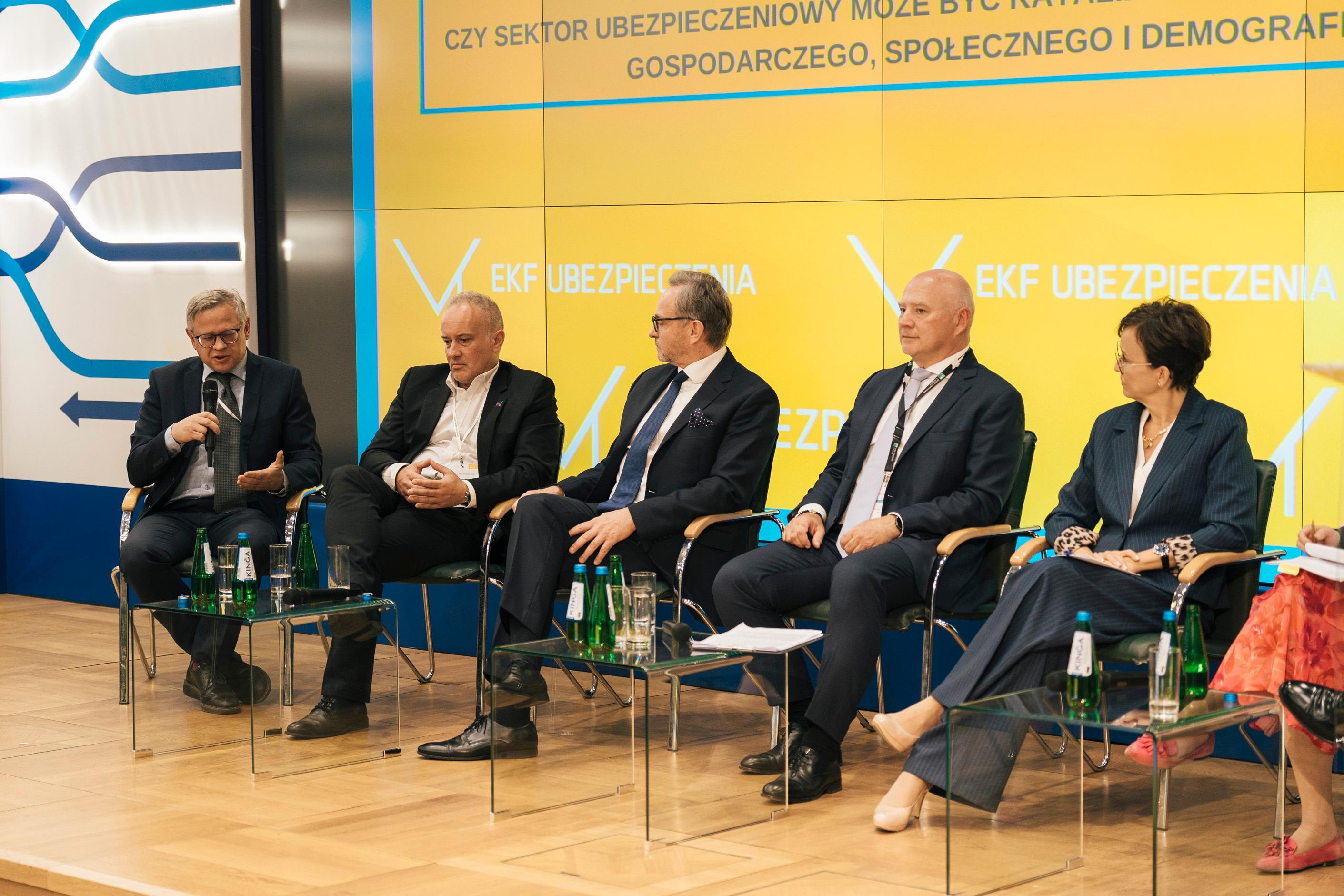
Anna Wawrzeniecka, Deputy Director of the Insurance Governance and Distribution Supervision Department at the UKNF, attended the panel titled ‘Insurance awareness under the microscope – the role of the industry in building the knowledge and responsibility of Poles’ during Day 1 of EKF Insurance Conference 2025. Paweł Lizak, Deputy Director of the Insurance Supervision Department at the UKNF, spoke at the panel titled ‘Insurance development in the long term: can the insurance sector be a catalyst or beneficiary of Poland's economic, social, and demographic development?’.
In her contribution, Anna Wawrzeniecka stated that when talking about the building of insurance awareness, two aspects should be considered. The society should know, firstly, what risks are worth insuring, and secondly, how to insure them.
‘It is important that the insurance awareness be built in steps adjusted to the development and perception of customers, preferably from an early age. I mean an initial education at the level of primary schools, secondary schools, and universities, but also later in life. It is vital to be able to identify risks that can occur at various stages of our life and to become aware of the need to have insurance or understand whether it is good and appropriate before it is too late, namely when a loss has occurred,’ Anna Wawrzeniecka assessed.
According to her, insurance awareness should be built from early childhood, not only at schools, but also through parents. It is worth remembering that even though the topic of insurance is mentioned in class books for entrepreneurship classes, in practice teachers do not always have time to cover it, e.g. due to the insufficient number of hours and the pressure to focus on the subjects the knowledge of which is verified during exams.
‘As the KNF, we also take care of building insurance awareness. We have CEDUR training sessions for the youth and seniors. The sessions need to be adjusted accordingly. We know that there are different generations and that they process information in a different manner and it is necessary to follow this,’ Anna Wawrzeniecka added.
At the end of the debate all the panellists answered the question about their dreams related to insurance and goals for the coming months.
Anna Wawrzeniecka stated that it was her dream that the supervisory authority could focus and work on products which would be clear and transparent for clients instead of being ‘empty boxes’ or traps, and that those products would be sold properly to clients, who would be satisfied at the moment of the product test, namely at the stage of adjusting the claim. ‘I think this should be welcomed by both the market and the supervisory authority. I work on this personally and this is one of our supervisory priorities in the current year, and in all likelihood, it will still be a priority next year,’ she added.
During the debate attended by Paweł Lizak, panellists referred to the long-term perspectives, of 30 to 50 years, in the development of the insurance market in Poland, seen in the context of the changing demographic structure of the society.
Paweł Lizak emphasised that when it came to life insurance, the changing structure of Poland’s society would partially force, but also create opportunities for, the creation of a new segment of insurance products and services. An increasingly large group of seniors will require support in their daily life.
Mr Lizak indicated that currently in 80% of cases such care were provided by close family members. In the future, along with the ageing of the society, elderly persons would need to take care of even older ones (from their family circle). ‘It seems a new segment of insurance needs related to long-term care (LTC) for the elderly will emerge,’ Paweł Lizak said.
He emphasised that insurance undertakings had possibilities and capacity to build products to address that need. Designing LTC products will require a lot of effort on the part of the sector. This is due to the necessity to create an appropriate service structure and train people to provide high quality support to the elderly. An additional factor that could hamper the development of this segment of insurance services is the long-term impact of inflation, which must be taken into account at the stage of product valuation. ‘However, it seems that when these, all in all typical, issues related to product design are overcome, a new segment of the market could emerge, ensuring security and comfort to clients and offering solid possibilities of generating capital for insurance undertakings and the economy as such,’ Paweł Lizak emphasised.