Multimedia - Komisja Nadzoru Finansowego

COMMUNICATION
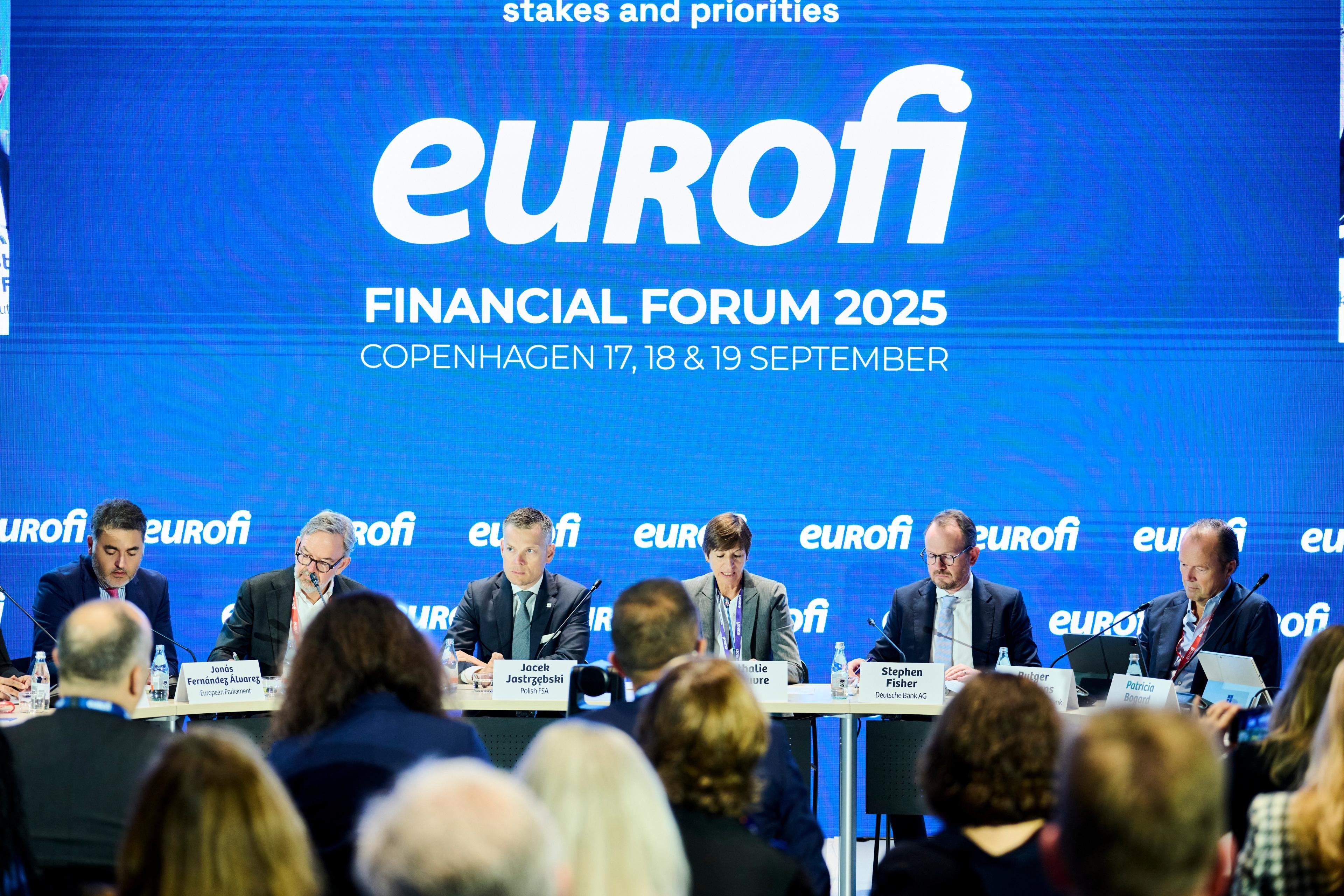
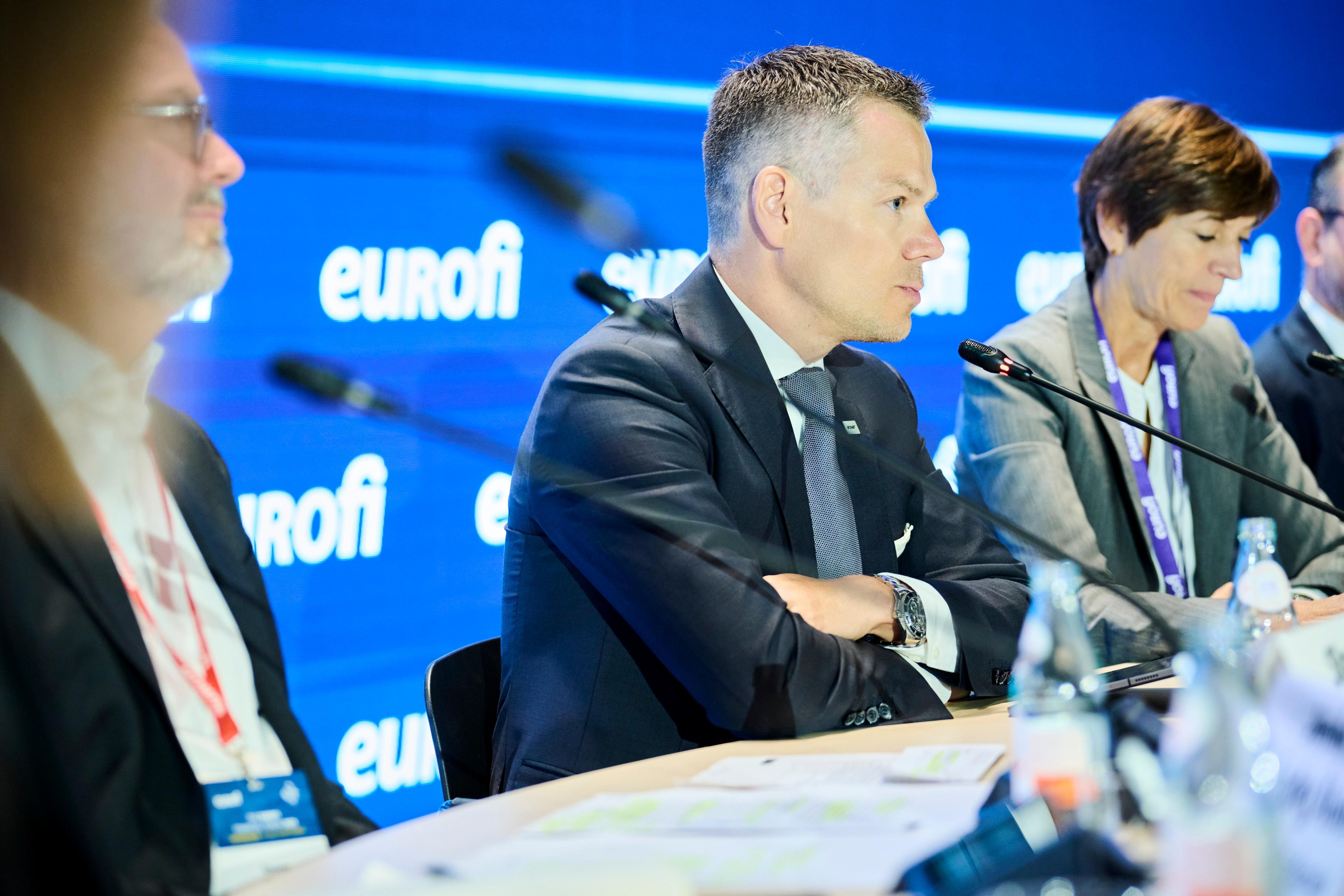
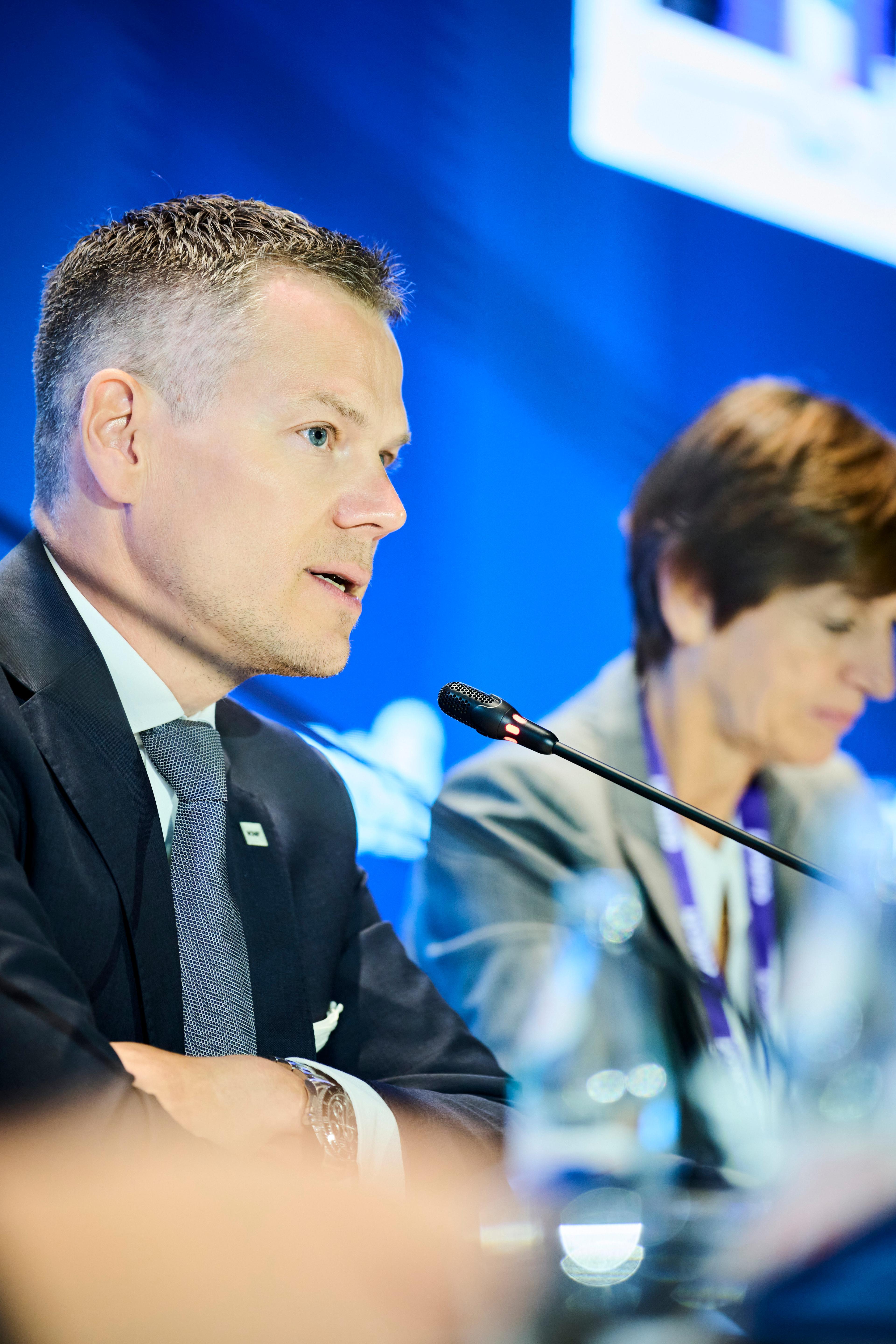
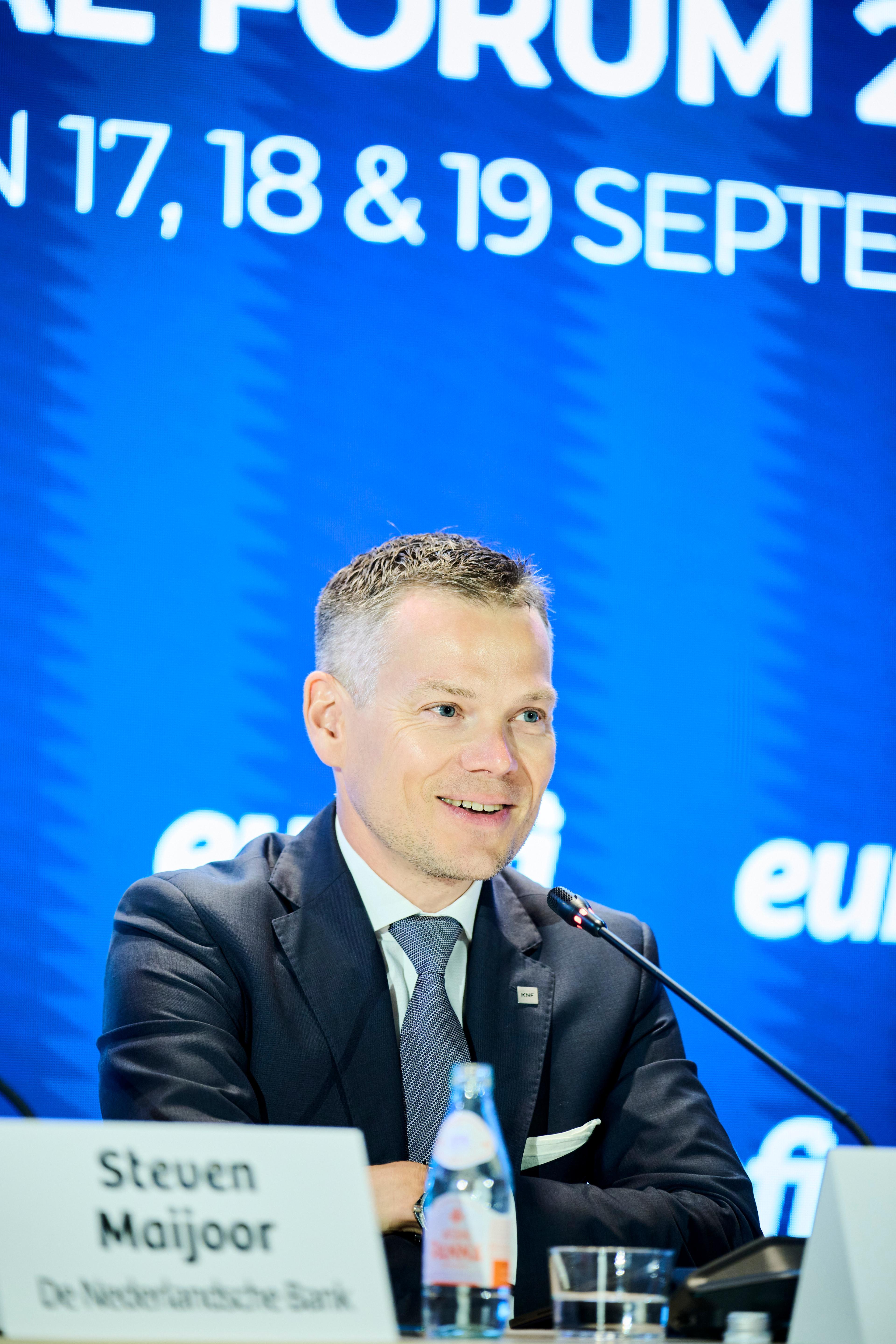
Jacek Jastrzębski, Chair of the KNF, spoke at Eurofi Financial Forum 2025
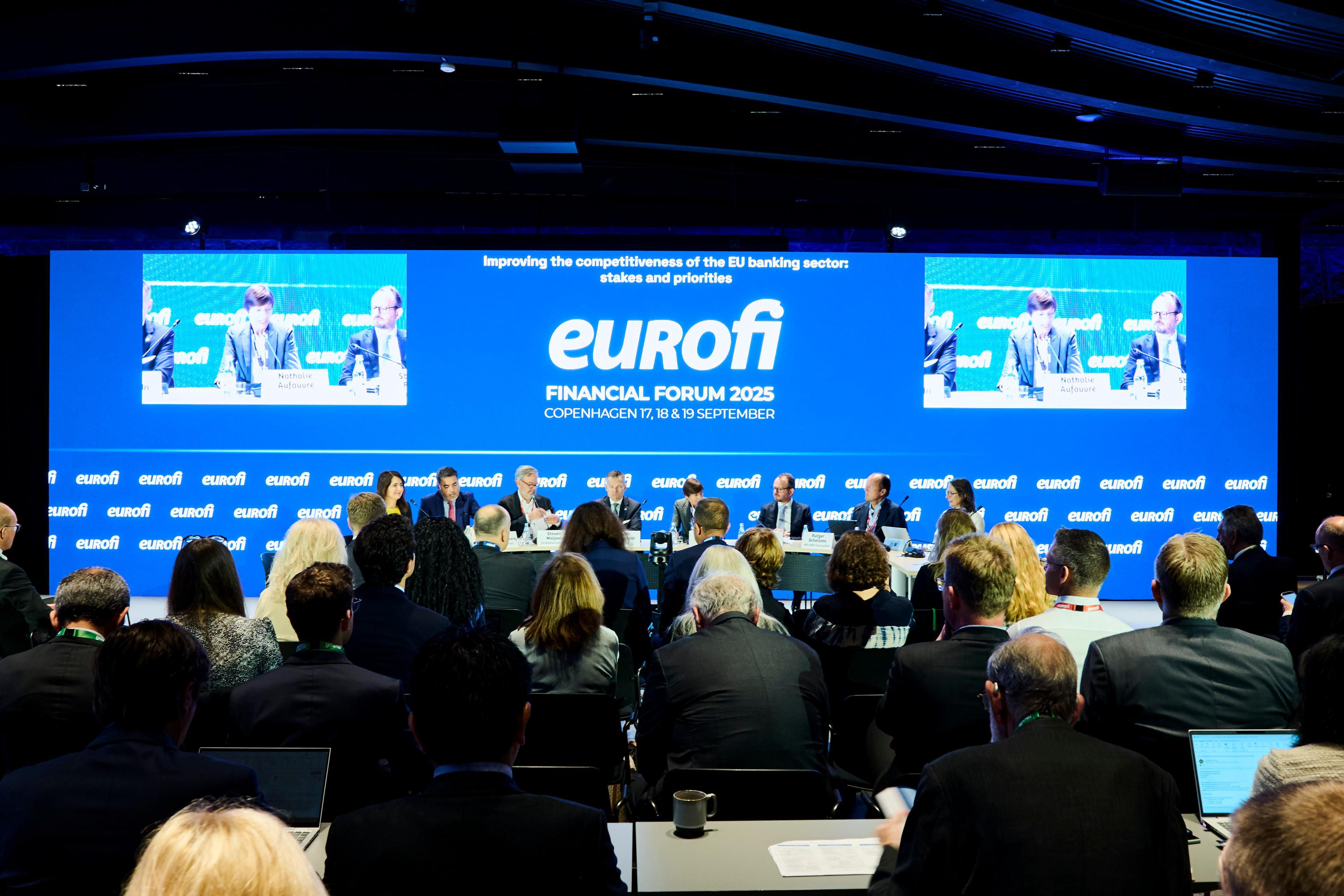
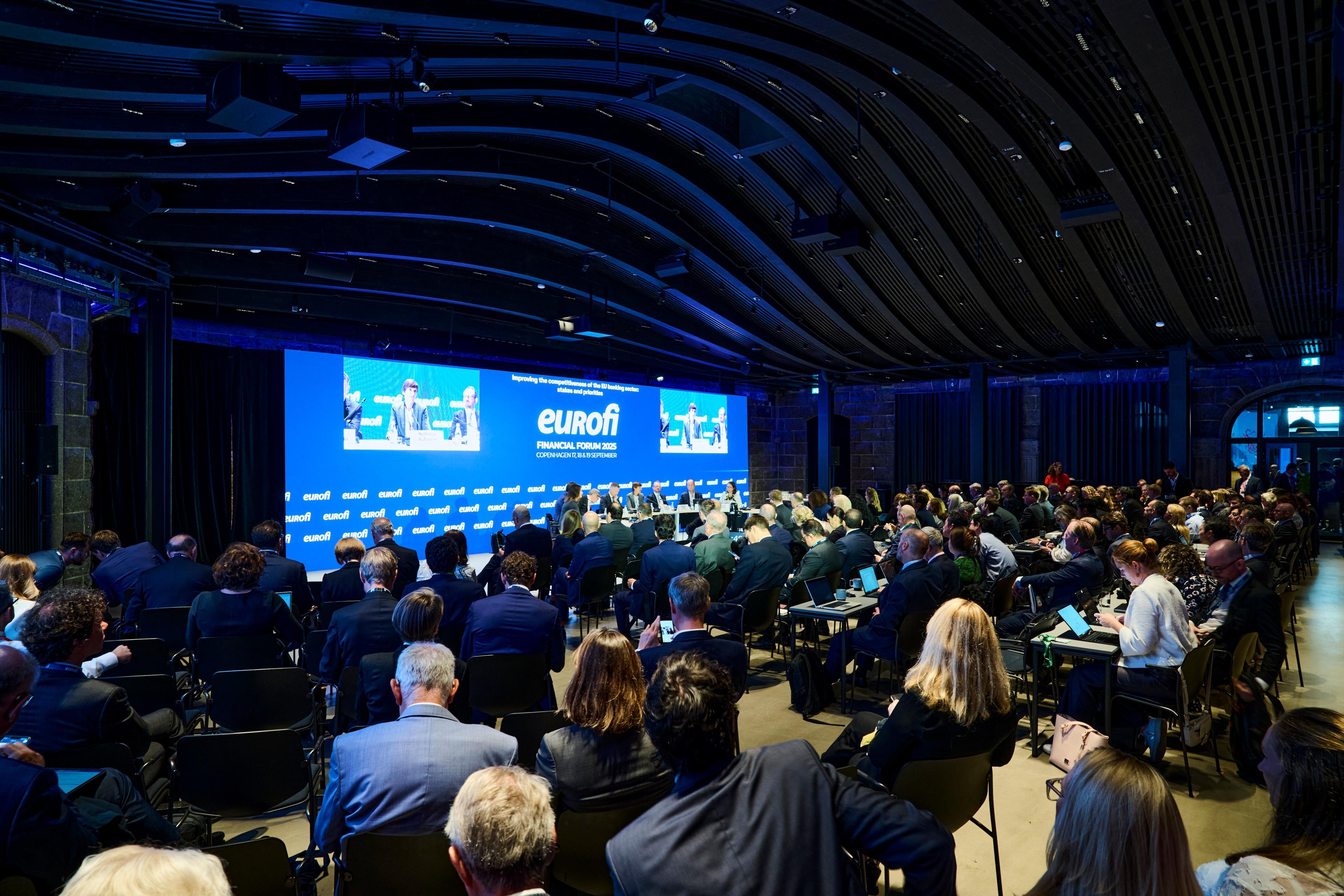
Jacek Jastrzębski, Chair of the KNF, spoke at the last week’s discussion panel: ‘Improving the competitiveness of the EU banking sector: stakes and priorities’, during the Eurofi Financial Forum 2025.
During the discussion, the Chair of the KNF agreed that European banks probably faced a heavier regulatory burden than their U.S. competitors. The sources of this burden may be twofold: firstly, the regulations are very detailed, over-complex, and applied on a case-by-case basis. For this reason, simplification of regulations should be considered the absolutely preferable course of action. In that regard, the Chair of the KNF pointed to a critical barrier, which is the lack of trust between market actors and public actors as well as among EU Member States. It may be due to that lack of trust that we tend to focus more on the overly detailed standards than on the outcomes we want to achieve, which restricts the operational flexibility of institutions.
The other aspect, according to the Chair of the KNF, may be the fact that certain requirements, especially prudential ones, are too stringent. He emphasised, however, that regulations did not exist in a vacuum: they are an outcome of political and social choices as well as values which societies consider their priorities. In the case of the European Union, the primary goal was to ensure the stability of the financial system and to avoid crises – a goal which has been largely achieved. Yet today – if we compare the profitability and competitiveness of European and U.S. banks, and if we want to compete with the latter – we may need to reflect on whether the current trade-off between stability and competitiveness requires an adjustment. Global changes force the need to take into account other values, like Europe’s economic sovereignty and strategic autonomy, which may require the presence of strong, profitable financial institutions.
In the second part of his comment, the Chair of the KNF pointed out that although regulations did matter, they were not the only factor in the lower profitability of European banks. In the Chair’s opinion, the key role is played by the state of the economy and the scale of banks’ operations. From that perspective, facilitating cross-border consolidation in the Union can make it easier for banks to create economies of scale, which is essential for their competitiveness. The Chair also mentioned that the internal barriers in the EU worked as a kind of ‘tariff’, which limits the European economy’s growth potential.
Referring to the prudential framework, the Chair stressed that any change in that regard should be seen as a last resort, since the current regulations ensured the sector’s resilience and the possibility of generating profits. He also highlighted the issue of excessive reporting requirements, which had become an end in themselves and a distraction from real challenges. Talking about the future of the banking sector, the Chair of the KNF pointed to the importance of innovation, including artificial intelligence. He emphasised that it was not obvious whether artificial intelligence would bring about only process automation or also process quality improvement and higher productivity of work. He said that the risk of missing out on the AI revolution and of not investing in that area was worse than the risk of implementing projects which would not ultimately bring expected results. The Chair also observed that the obstacles might arise from non-financial regulations, for example data protection rules, which required a broader perspective on the regulatory environment.