Multimedia - Komisja Nadzoru Finansowego

COMMUNICATION
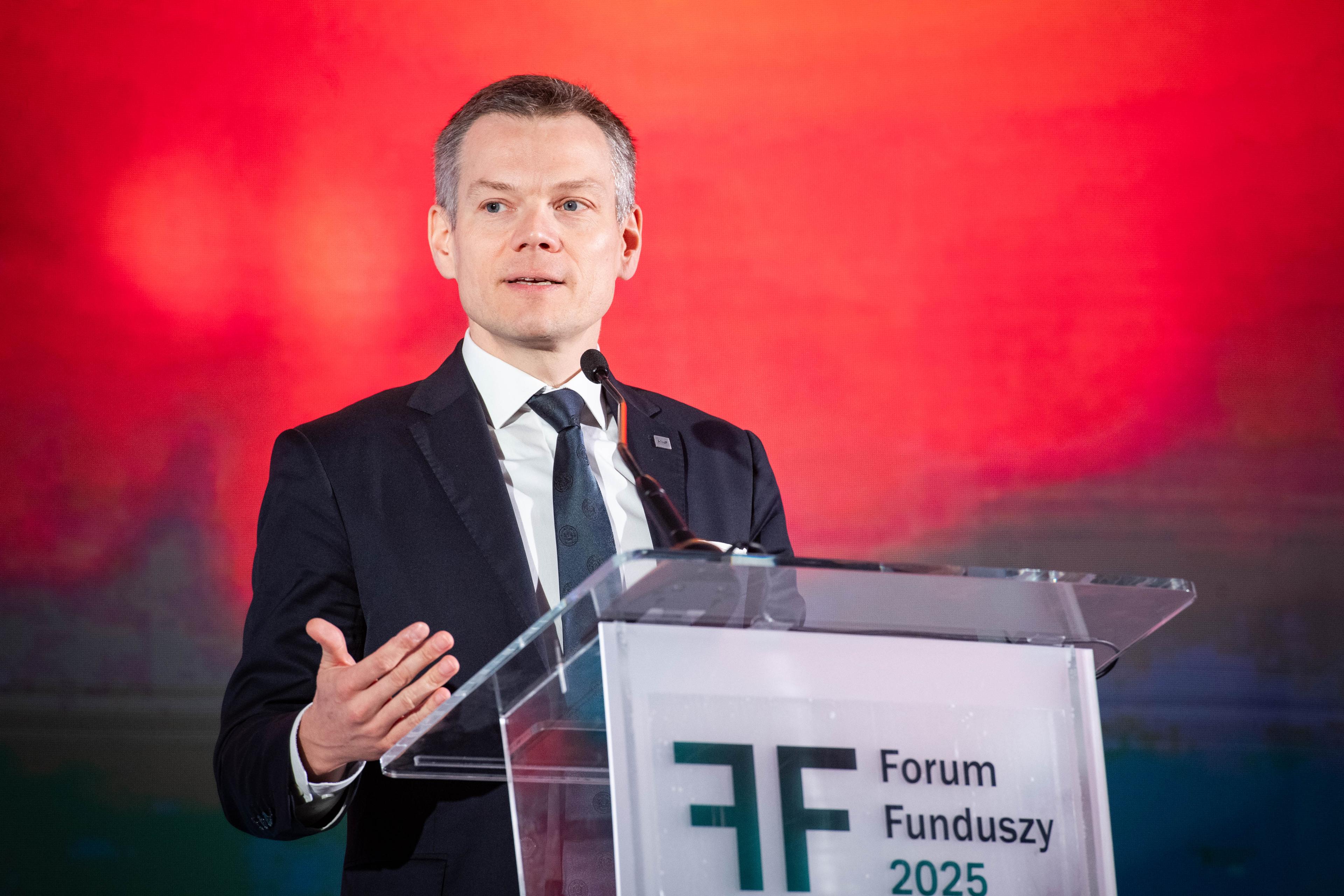
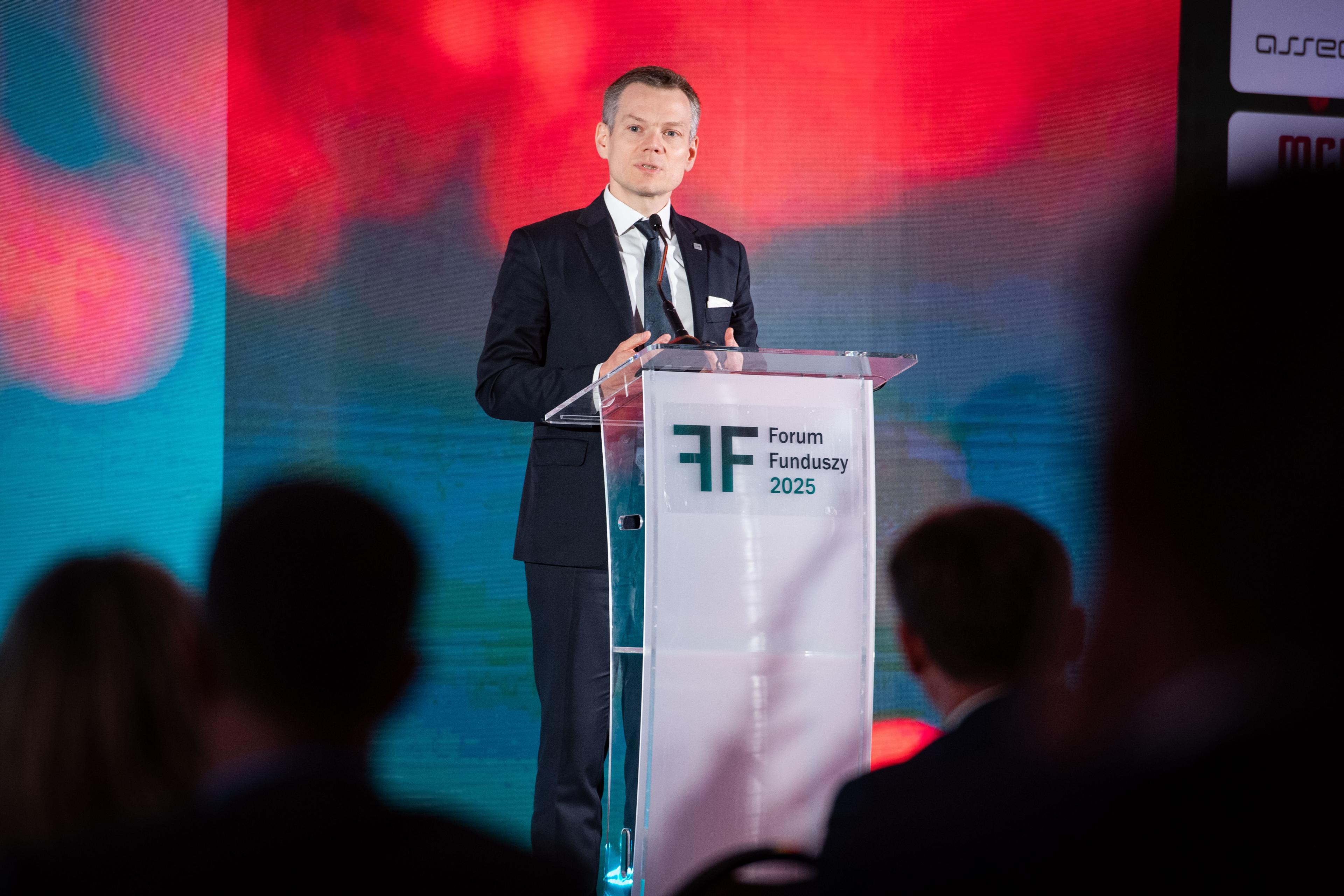
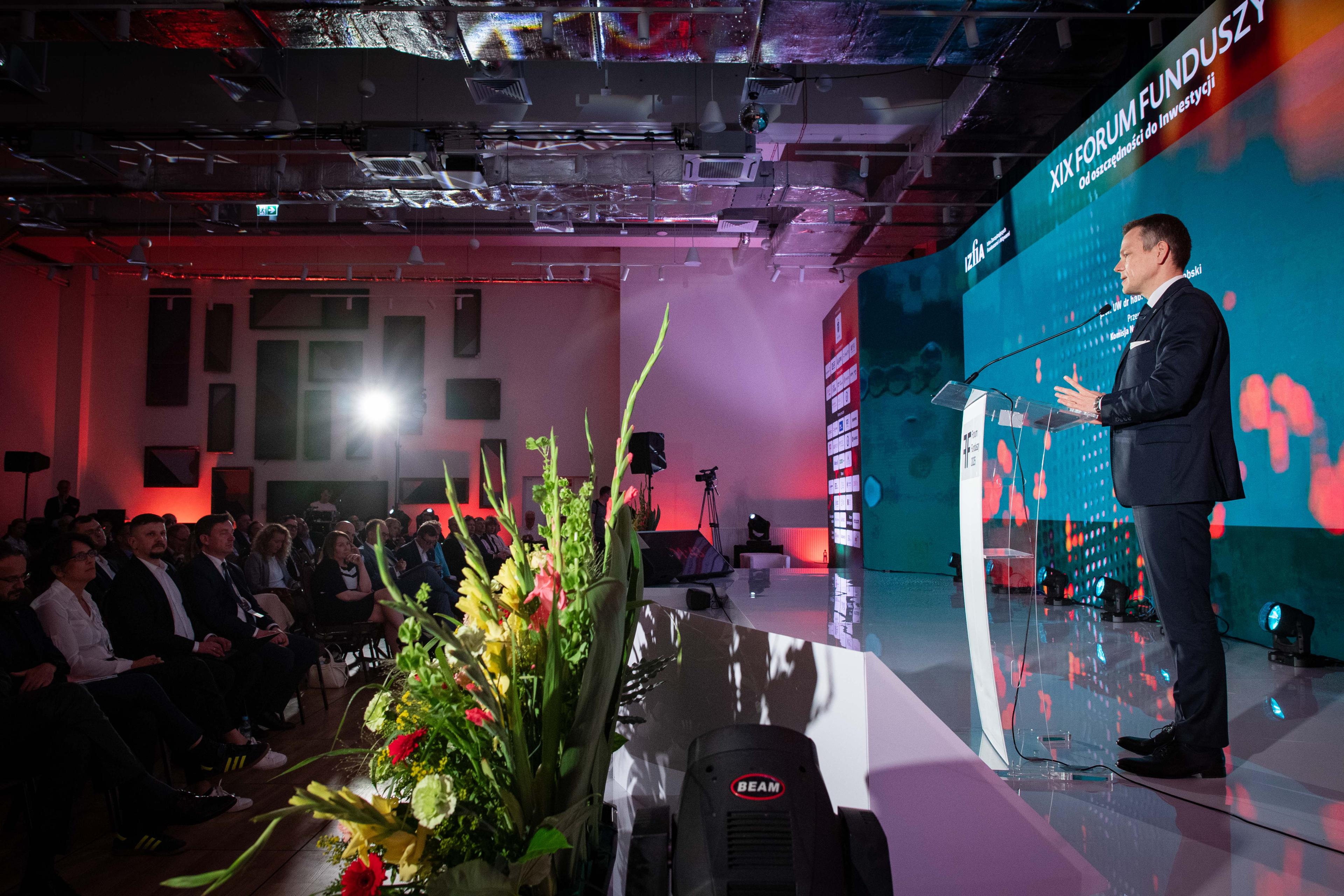
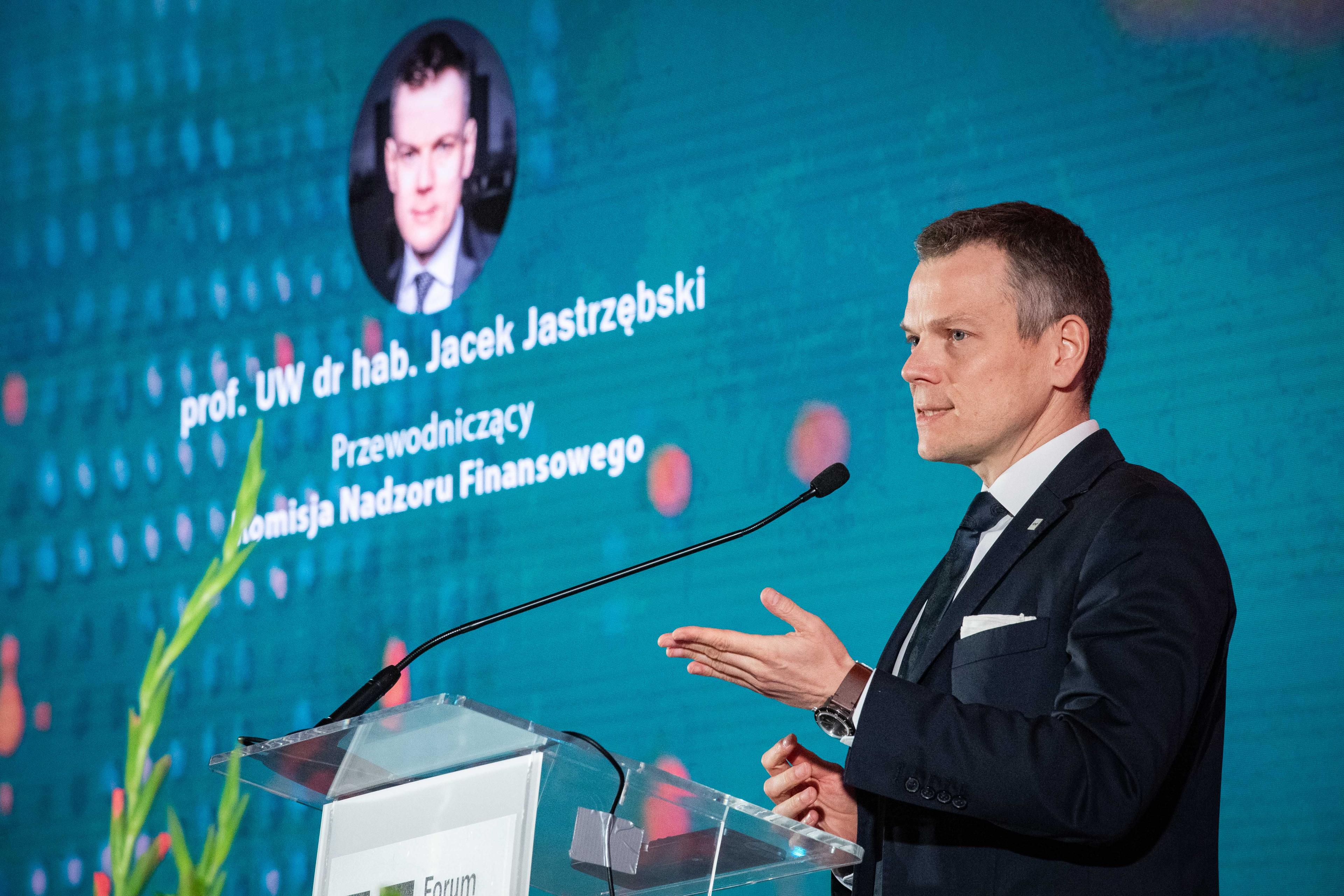
Jacek Jastrzębski delivered a speech to wrap up the 19th Funds Forum
Jacek Jastrzębski, Chair of Komisja Nadzoru Finansowego, delivered a speech to wrap up the 19th Funds Forum organised by the Chamber of Fund and Asset Management.
Jacek Jastrzębski assessed that the final debate at this year's Fund Forum, attended by the CEOs of investment fund management companies, enabled participants to end the event on a positive note. ‘An important factor contributing to this optimism is that our society is becoming more affluent. The level of savings in our country is still lower than in more developed EU economies but keeps raising, which is why the room for investment products is growing as well. This allows us to look into the future with optimism,’ he said.
During his speech, he raised the issues of education, investor protection, deregulation, and competition. In the case of education, he pointed out that one should not underestimate the power of investors’ rationality. ‘Sometimes the financial market tends to perceive investors as uneducated persons who make irrational decisions. Today, I have listened, with great interest, to the presentation on investment preferences. There is nothing there that would be fundamentally irrational,’ he said. ‘Maybe customers are not afraid of the risk of investments as such. They are afraid that they will be treated by an intermediary in the financial market in a manner that is not necessarily optimal,’ he added. He assessed that we had gone very far in the model of consumer protection in terms of information requirements. ‘We believe that if we tell the customer everything, they will make an optimal decision. Unfortunately, this is not the case.’ He emphasised that risk should be reintroduced to the capital market, because if the risk is totally pushed out, then all classes of assets will be equated. ‘This, of course, does not apply to the risk related to customer mistreatment or to how the market where such assets are purchased operates,’ he said. He also added that it was equally important in this context that the origin of financial market regulations was linked mainly to financial crises and the painful experiences of irregularities in the financial market. ‘The origin of such regulations affects the approach to regulatory practice. This is why we look a bit differently at deregulation understood as allowing risk in the market and engaging in investment projects with a higher risk, but we look at it differently in the areas bearing painful experiences, not necessarily related to the nature of the assets but to business practices,’ he said.
In his speech, Jacek Jastrzębski also raised the matter of competition. ‘During the Forum, the spirit of competition between bank and non-bank investment fund management companies has been felt keenly. I feel that at the end of the final debate, the conclusion has been, however, that it is possible to develop a semi-open structure model, where products from outside the bank group will be offered to customers without entering into a conflict of interest,’ he added. ‘I hope that this consensus will be found. I will say upfront that the solutions such as prohibiting banks from running investment fund management companies or new regulations that would make it mandatory to sell 50% of non-bank funds seem unrealistic to me and they would constitute a very far-reaching interference in the functioning of the market. We should have an open-structure model to ensure maximum benefits for the customer’, he added. Jacek Jastrzębski added that one should not forget that new players who are attractive for new customers were entering the market. ‘There are also entities operating under foreign licences who also have an attractive investment offer in place. There is competition from the non-regulated market, which, for a number of reasons, offers a lower level of safety to customers. As a supervisory authority, we find it necessary to support our regulated market that competes with the non-regulated sector. We believe that this is better for all of us. Being a regulated entity is also a kind of asset. I therefore urge, at the end, that we do not focus on competition so much in terms of who gets that piece of cake which, after all, is ours anyway but that we make sure, firstly, that the new players do not eat that cake, and secondly, that we let the cake grow, if possible.’