Multimedia - Komisja Nadzoru Finansowego

COMMUNICATION
Representatives of the UKNF spoke at 19th IZFiA Forum
Representatives of the UKNF spoke at the 19th Forum organised by the Polish Chamber of Fund and Asset Management (PL: Izba Zarządzających Funduszami i Aktywami – IZFiA).
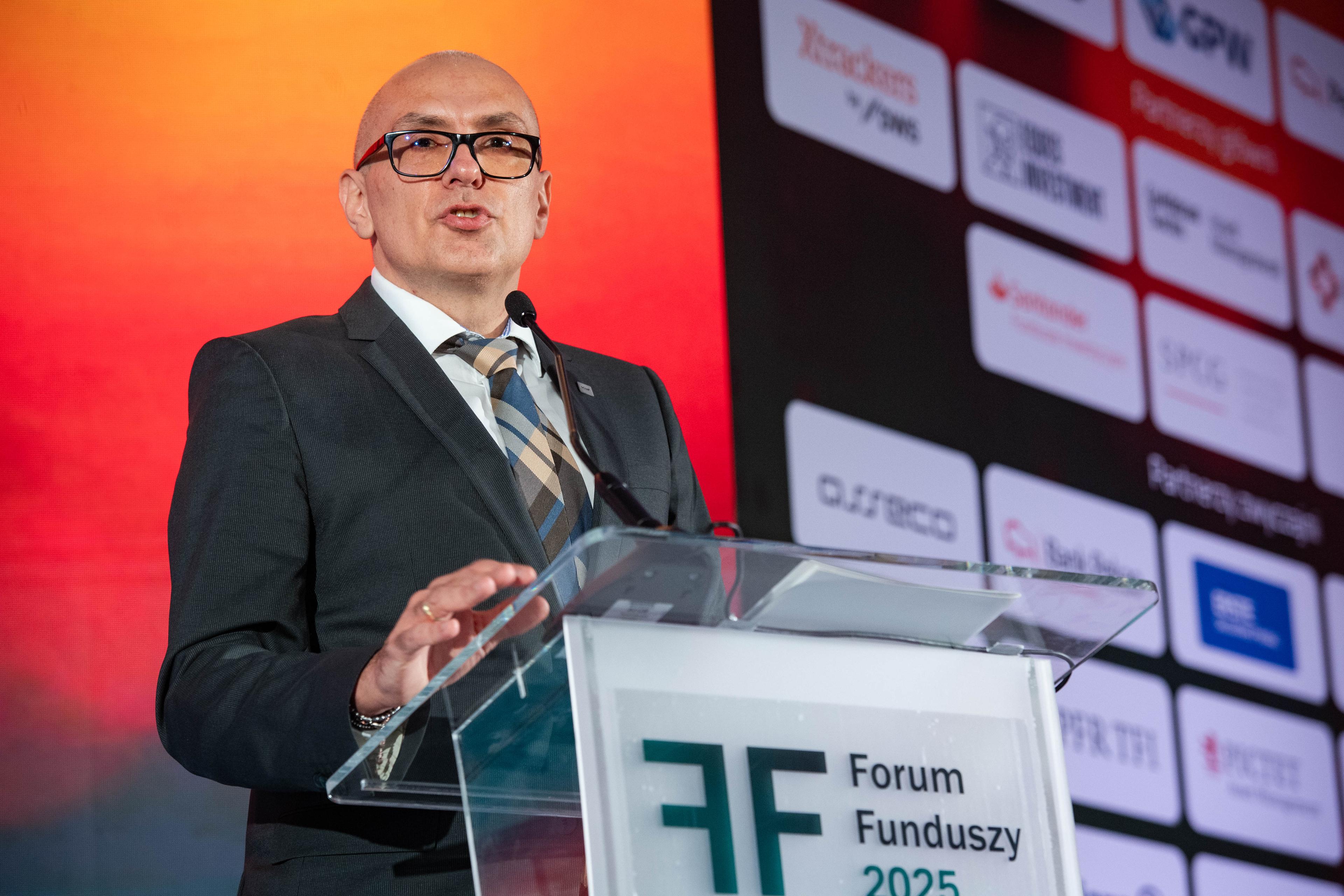
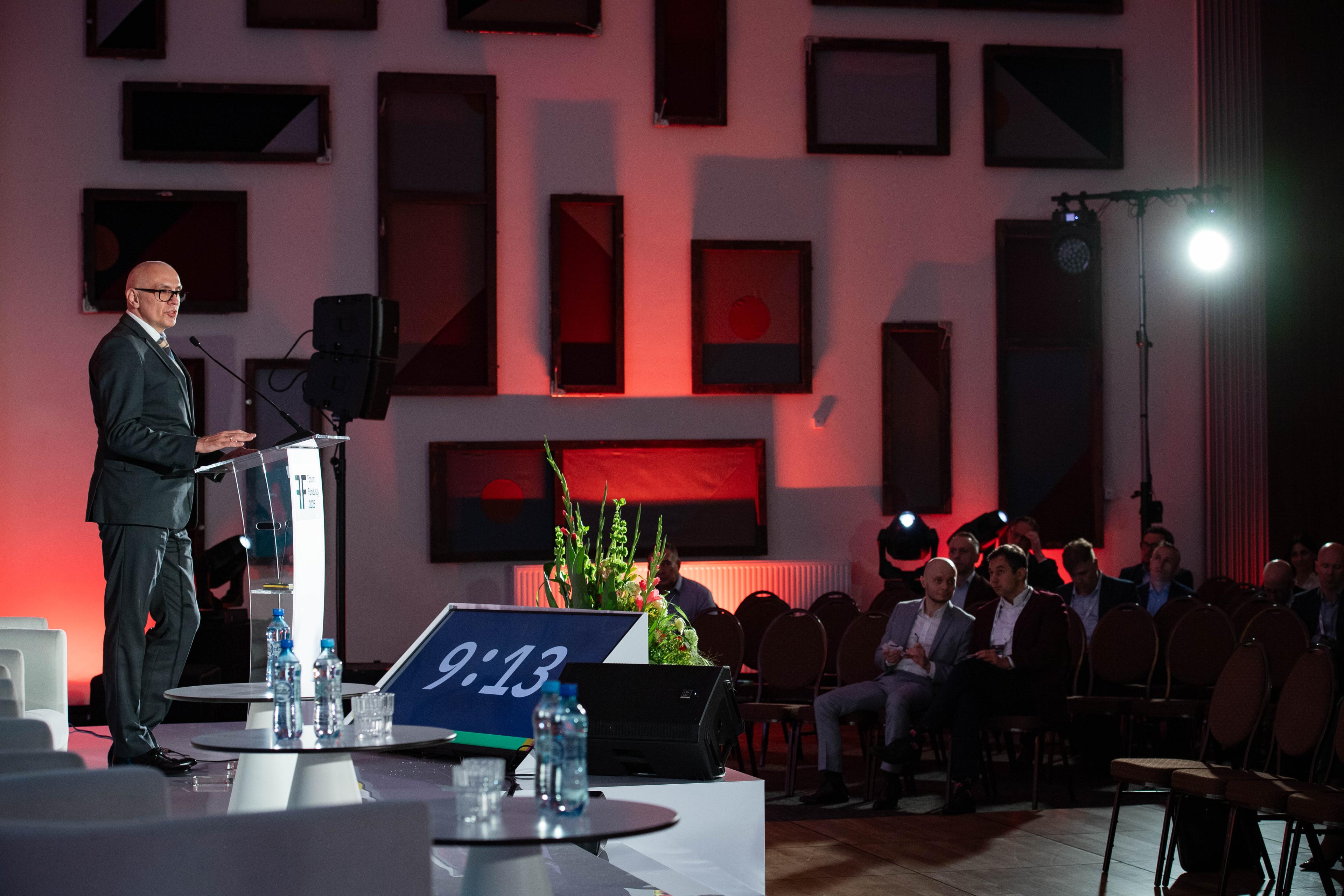
- Rafał Niedbała, Director of the Investment and Pension Funds Department, gave an address titled ‘Through the lens of the supervisor: a close look at regulations’.
‘We’re talking with the market, and those talks and finding out the shared expectations are inspiring to us as the supervisor as they allow us to better understand the challenges the market is facing. This also enables a change to the supervisory approach and a shift toward being more open. Those are the shared challenges facing the supervisor, the regulator, and the industry.’
‘Do regulations keep up with dynamic changes? No. There are many examples, e.g. the crypto-asset market, where a series of regulations have emerged only after a while, in an attempt to organise the relations with clients. Regulations arise not only from new areas but also from the crypto-asset market itself, which has been around for some time. Various practices emerging in this market require intervention by the regulator or supervisor, though. We must try to respond fast in order to set the standards of action.’
‘Does the market need deregulation? Does the financial supervisor notice it? Yes, the supervisor can see that the market is changing; we are in favour of deregulation but a wise one. We support minimising regulatory burden that hinders day-to-day operations and fund management. We’re open to a discussion about changing regulations to better respond to the challenges facing the Polish economy, that is the need to redirect funds to new classes of assets, promoting the development of the economy.’
‘However, our supervisory mandate includes taking care of market security. Your business relies on the clients’ funds. As the supervisor, we will be safeguarding those funds and we will not be supporting any solutions that might compromise that security.’
‘The industry should create a need among clients to save money regularly. Let’s create a cheap, simple product for the young. Let’s create solutions that are adapted to the specific nature of the Polish market and that will build lasting confidence in this market.’
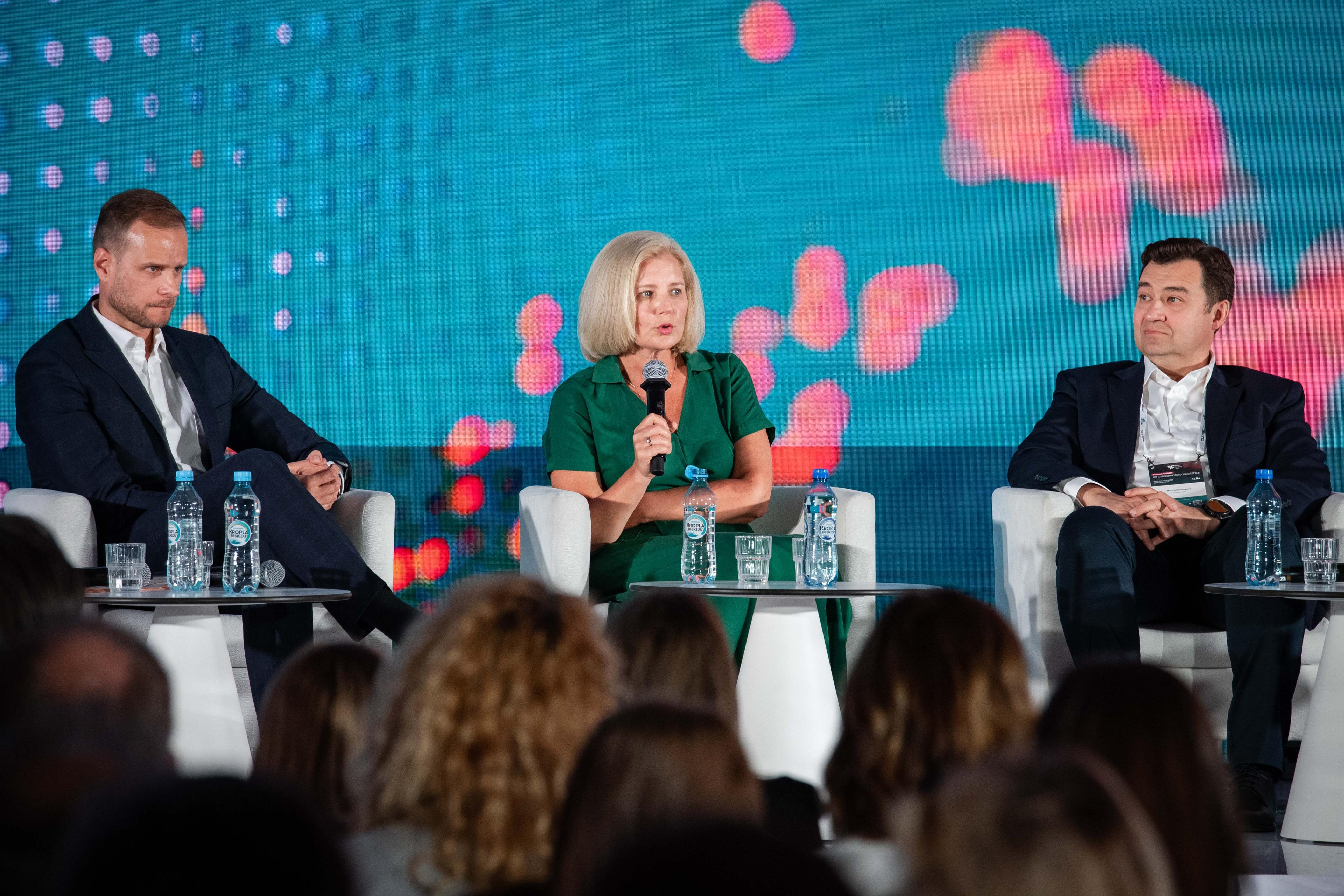
- Piotr Koziński, Managing Director of the Capital Market Supervision Division of the UKNF, took part in the debate: ‘Balance between freedom and control: how to simplify the capital market?’.
‘We engage in talks on the broadly defined market; we are open to changes, deregulation, and the fight against gold-plating. ‘This is our shared interest. We have to fight for that market and simplify it. Achieving that simplification also involves deregulation, which we will all approve if it is handled reasonably.’
‘What should one do? How to find the balance? I’m a proponent of a theory called libertarian paternalism. By simplifying and reducing the choices available to a retail investor, we can reach our common goal, that is to boost the capital market. Despite, but still in compliance with, EU regulations, we can come up with a common approach. We can sit down at the table together and agree – in relation to identified barriers and obstacles – on how to make sure that the path of acceptance of MiFID surveys and requirements is, on the one hand, in line with the supervisory requirements and, on the other hand, easier for the client. We have to stop treating EU regulations as excuses or justifications.’
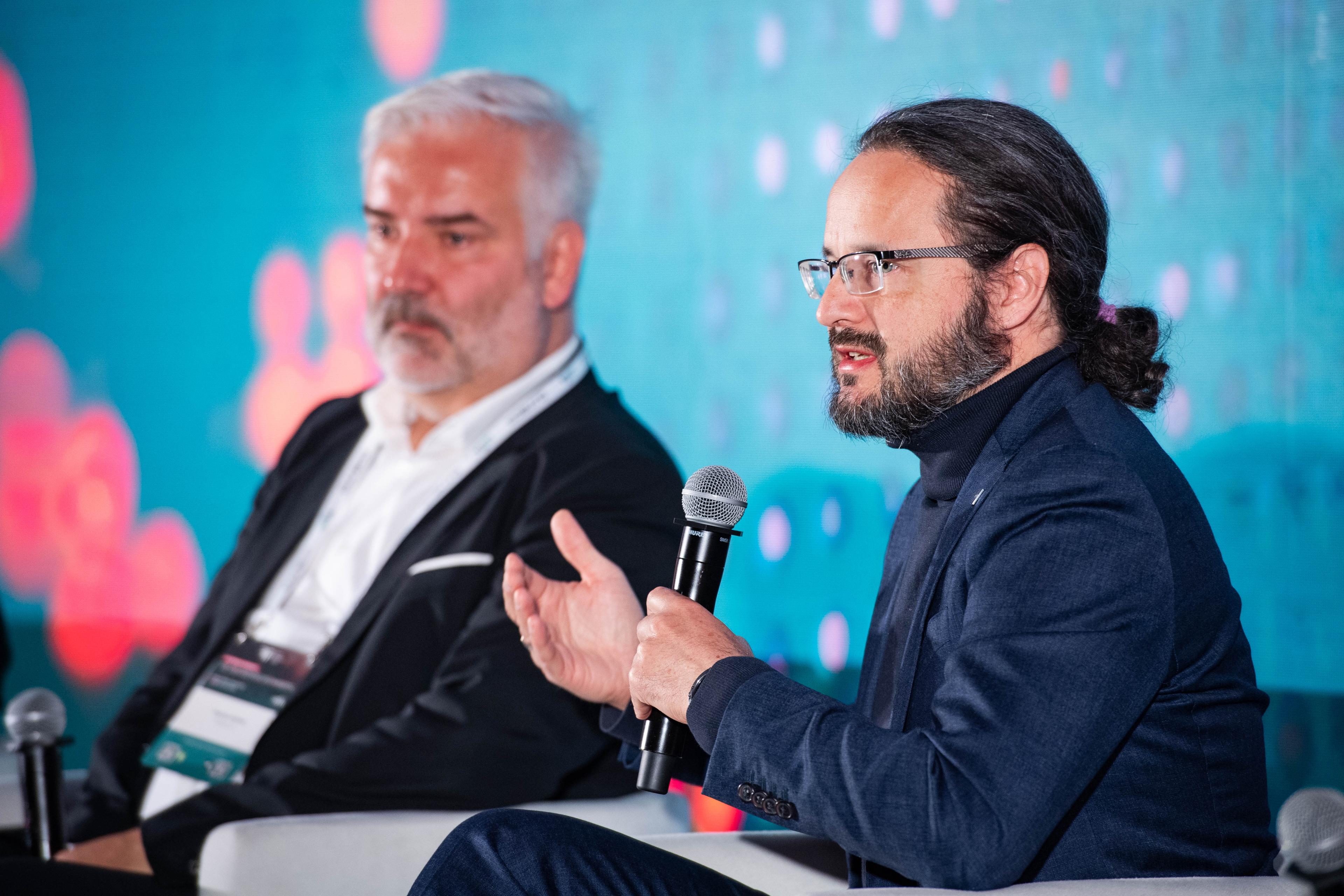
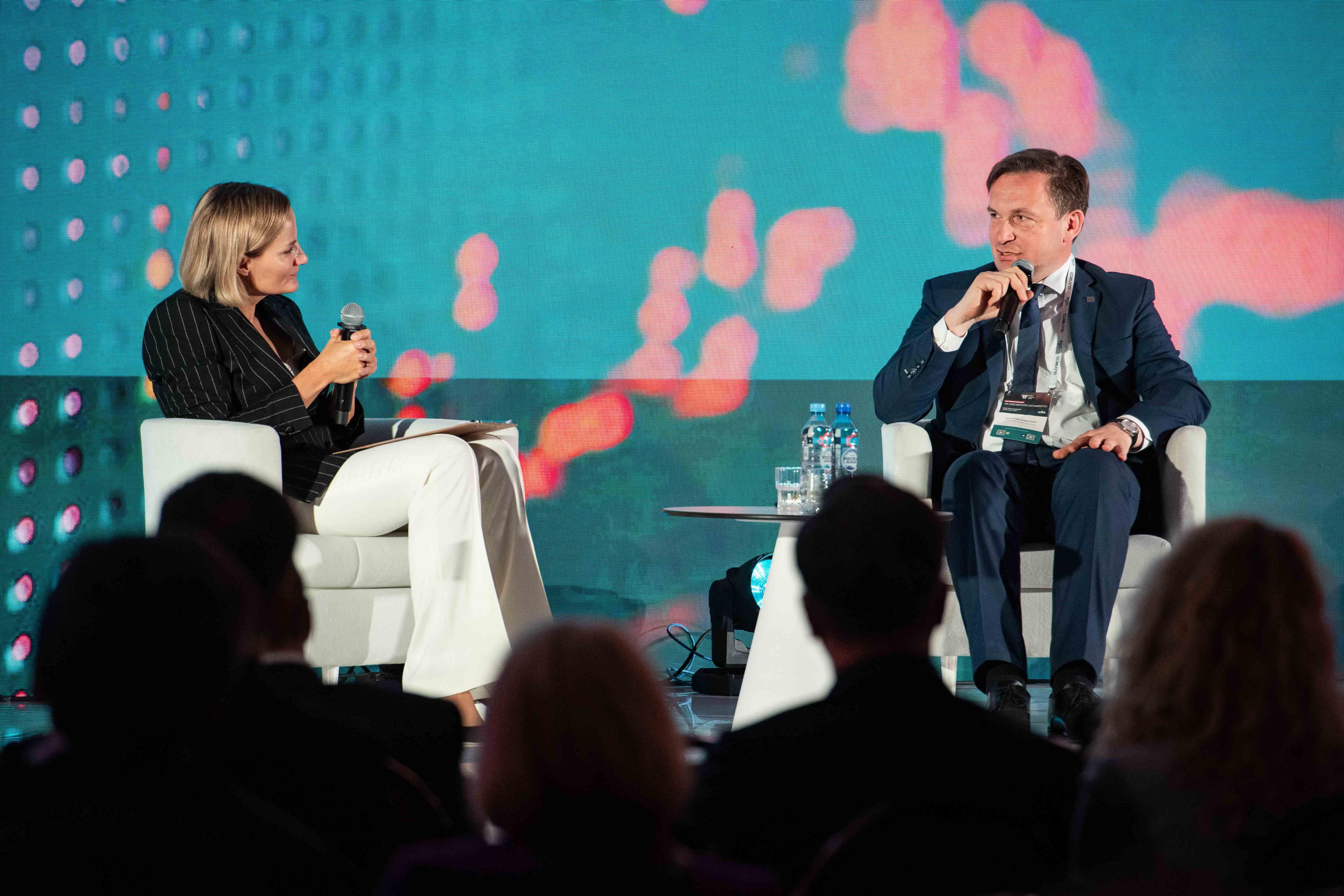
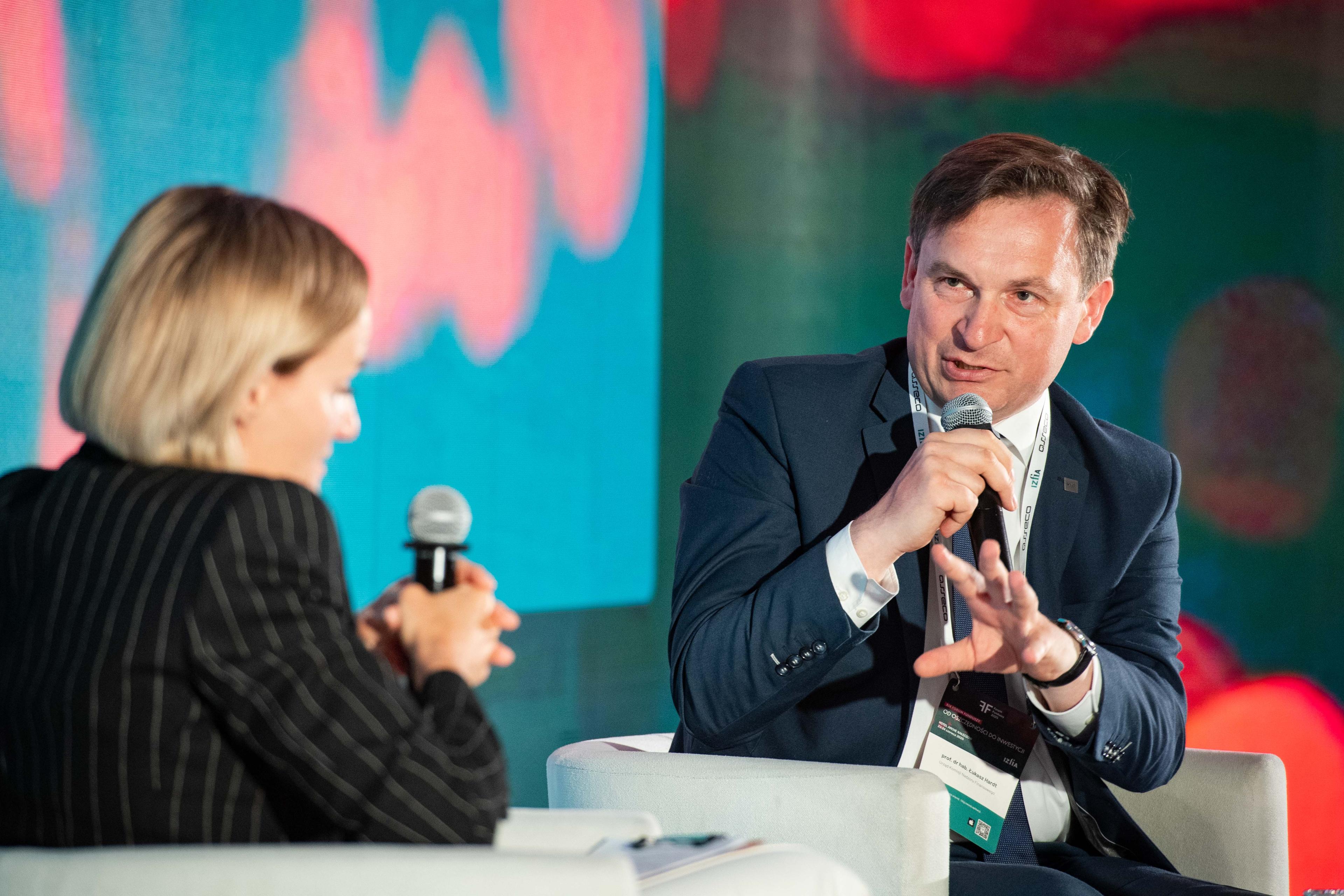
- Łukasz Hardt, Adviser to the Chair of the KNF, appeared on Fireside chat: ‘Let’s talk about the impossible: the open structure of fund distribution?.’
‘I’m dreaming of a Polish financial market that is bigger. We need investments to build the necessary new growth model for the Polish economy. We won’t be able to grow fast with such a low rate of investment.’
‘I would like us to talk about how to distribute funds but also about how the cake can become bigger; this is the key point. Looking at the funds market, we look at whether the market and the distribution work in the best interest of the client . We look at the rates of return on bank and non-bank funds. We don’t see material differences between those types of funds. I’m sure that if that difference is actually there, then the ones who acquire assets and seek higher rates of return would choose the most attractive funds.’
‘We are taking a look at what is being offered to the retail client and we are ready to respond if clients were not presented with funds other than funds from the bank’s group of companies. A whole range of well-performing investment options should be presented to the client, including the distribution of risks associated with each of those options. Naturally, private banking clients are shown other alternative investment opportunities.’
‘If we talk about competition, a few regulatory barriers exist here. For example, tax issues related to the transition from one investment fund company to another. Introducing UCITS ETFs would also probably increase competition in this market. If certain entities make higher rates of return, they will achieve a better competitive position in the market. Supervision works in the best interest of the client. We see no reason to intervene in this market. We note certain phenomena, we note that clients choose debt funds offered by banking groups. Yet, this is not an argument in favour of supervisory intervention. I haven’t seen a country where the regulator and the supervisor would interfere with banks’ distribution channels as far as funds are concerned.
- Agata Gawin, Director of the Investment Firms Department, joined the debate: ‘New approach to the model of offering investment products’.
‘The financial supervisor always keeps an eye on what is happening in sales: we look at how funds operate and do their management job and how distributors operate, and we compare those data. Bank distributors sell mostly safe and conservative products, adapted to the bank client’s profile. Together with the Ministry of Finance, we’re preparing a website to compare the funds’ performance . The funds will be compared according to their type. Clients will be able to check the current performance and costs.’
‘The freedom of economic activity and the freedom to enter into contracts are crucial. We shouldn’t force anybody to sell products of other manufacturers. It is the client who is to decide what they want to buy.’
‘Product sale should be popularised on a wider scale through proper investment advisory services, consisting in taking care of the client over many years and gradually offering riskier products, as the client gains more and more awareness and knowledge of the market. The client should not be left alone in difficult market situations, without any support from their investment adviser.’