Multimedia - Komisja Nadzoru Finansowego

COMMUNICATION
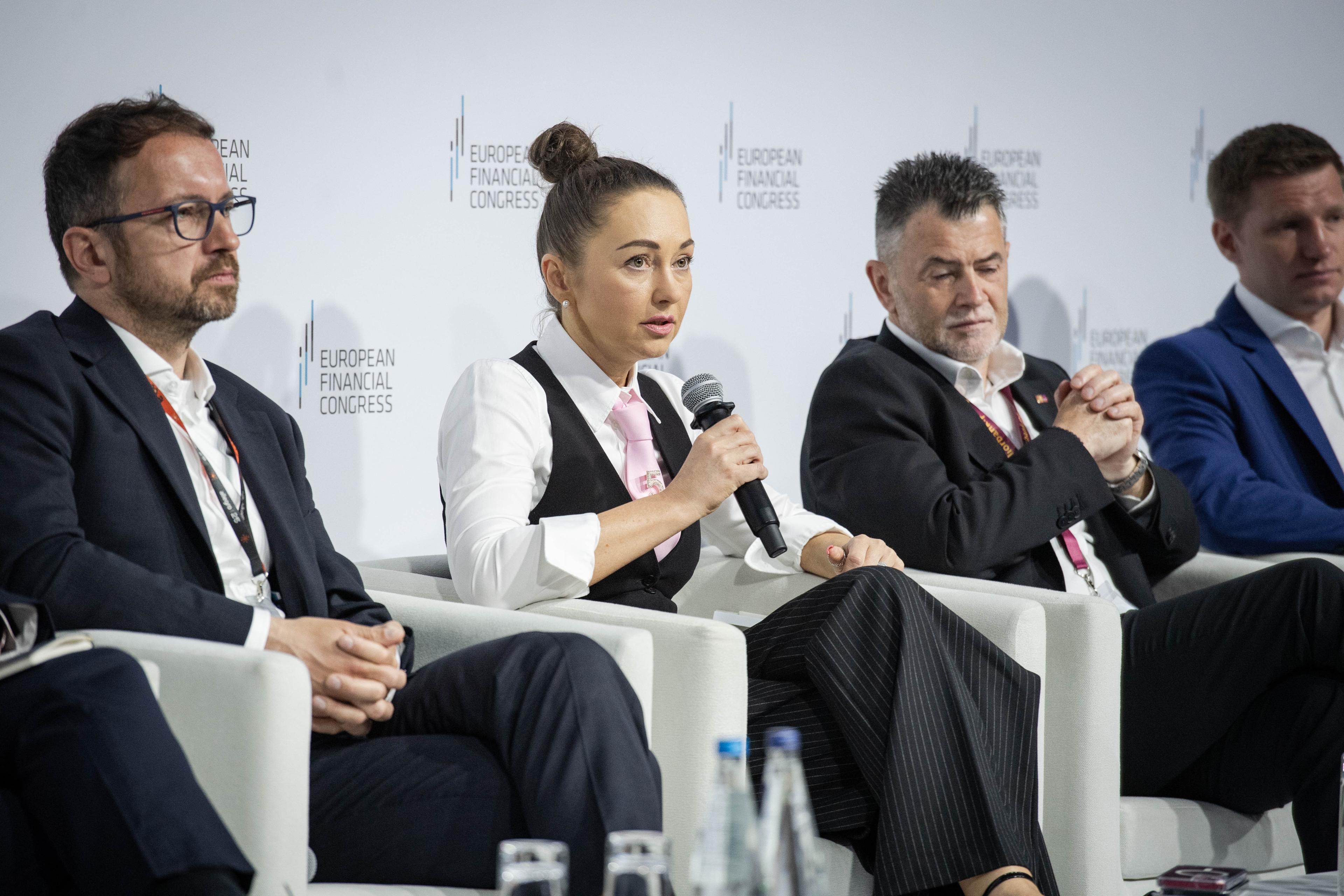
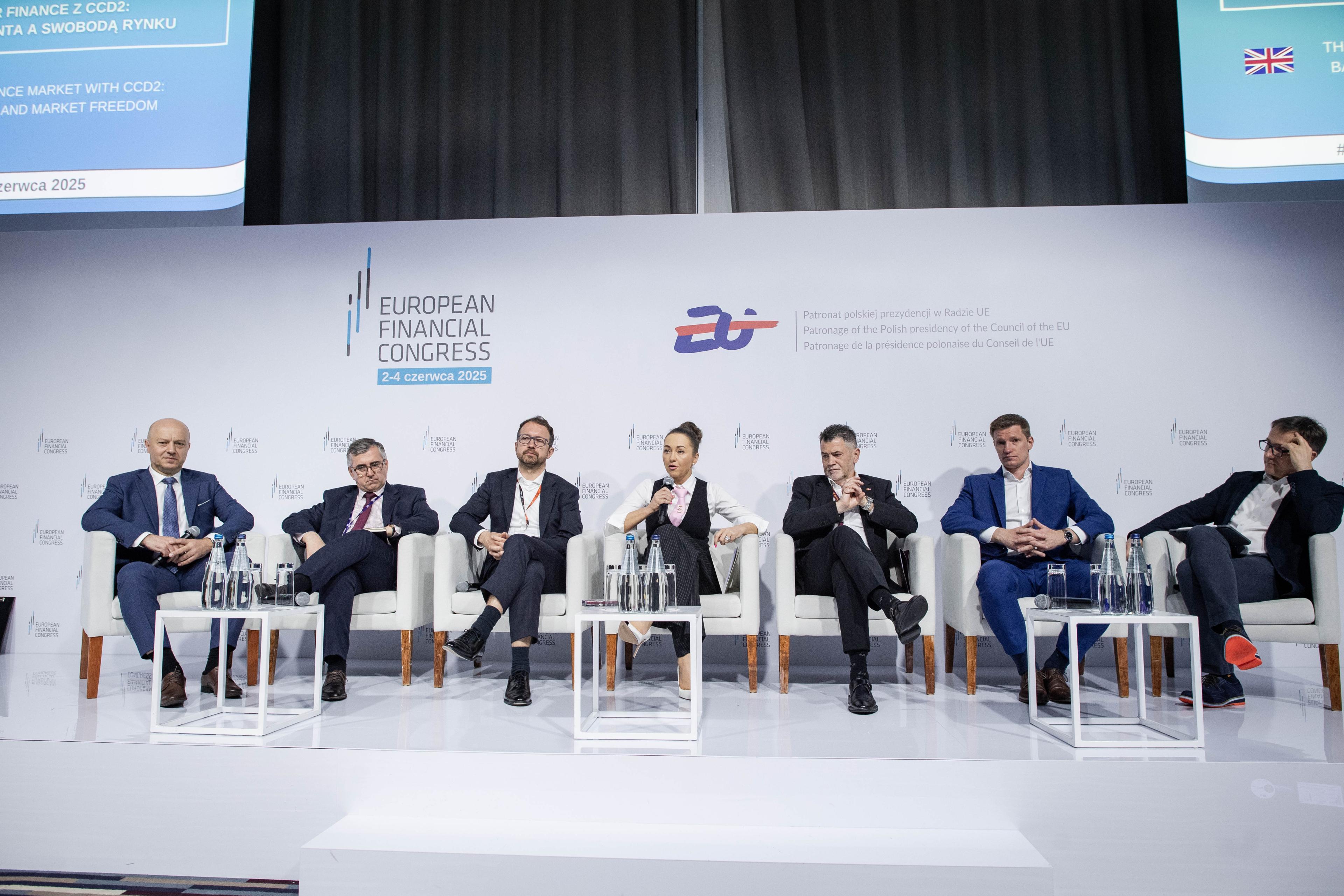
Agnieszka Beata Kowalska spoke on a Consumer Finance panel
Agnieszka Beata Kowalska, Director of the Non-Bank Lending Institutions Department at the UKNF, spoke on the panel titled ‘Future of Consumer Finance with CCD2: balance between consumer protection and market freedom’.
The non-bank lending market is developing and gaining maturity when supervised. This is an outcome of our joint efforts. When I took up the supervision, I set myself a goal of a modern, effective and dialogue-oriented supervision, which in my opinion brings measurable results. I would like us to look at upcoming changes from a wider perspective. CCD2 involves not only an implementation obligation, but a huge opportunity, and a challenge, for the entire market. It is important to understand how we can organise and strengthen consumer finance market, while taking care about the interest of consumers.
We are on our way to the professionalisation of the non-bank lending market. This is a process that does not happen overnight.
It is my wish, as a representative of the supervision authority, to ensure that this implementation is not only a literal transposition of EU regulations, but also an opportunity to reflect on what works and what does not. We have some insight at this point; we know what the risks generated by specific entities are and what consequences the errors from the past may bring. We need to learn the lesson after the Swiss franc saga to avoid the creation of new systemic risks.
Data clearly show improvement: delays in consumer credit payments are decreasing. In the first quarter of 2024, they represented 17.1% in terms of value, while in the first quarter of 2025, the figure was only 9.1%.
We can see improvement not only in terms of figures, but also in terms of quality. The fact that data improve shows that non-bank lenders treated the obligation to verify creditworthiness seriously. It can be argued that the non-bank lending market is moving towards bank standards.
Our goal should be to create a stable, transparent and foreseeable law. ‘We need a systemic, holistic approach which, on one hand, supports innovation and development, while on the other hand effectively protects consumers,’ Agnieszka Beata Kowalska emphasised. ‘This is the responsibility of the legislator to create new regulations that realistically respond to the challenges on the market and are adapted to dynamic changes. But at the same time, this is the responsibility of the industry – for customers, for daily operations, for ethical conduct of business. Social responsibility is of key importance today,’ she added at the end of her speech.