Multimedia - Komisja Nadzoru Finansowego

COMMUNICATION
Jacek Jastrzębski spoke at CEOs debate and on panels on innovation in finance and model contracts
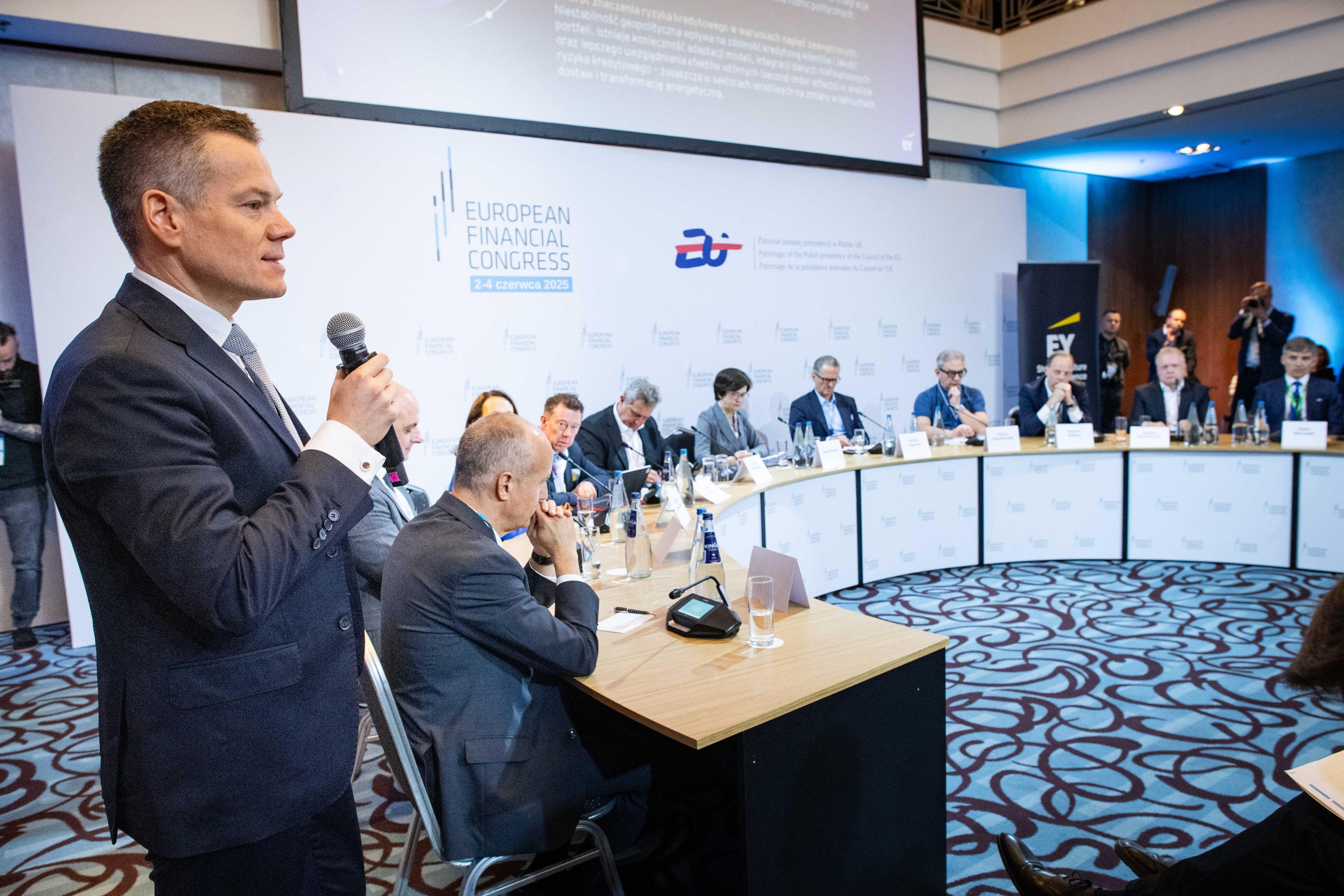
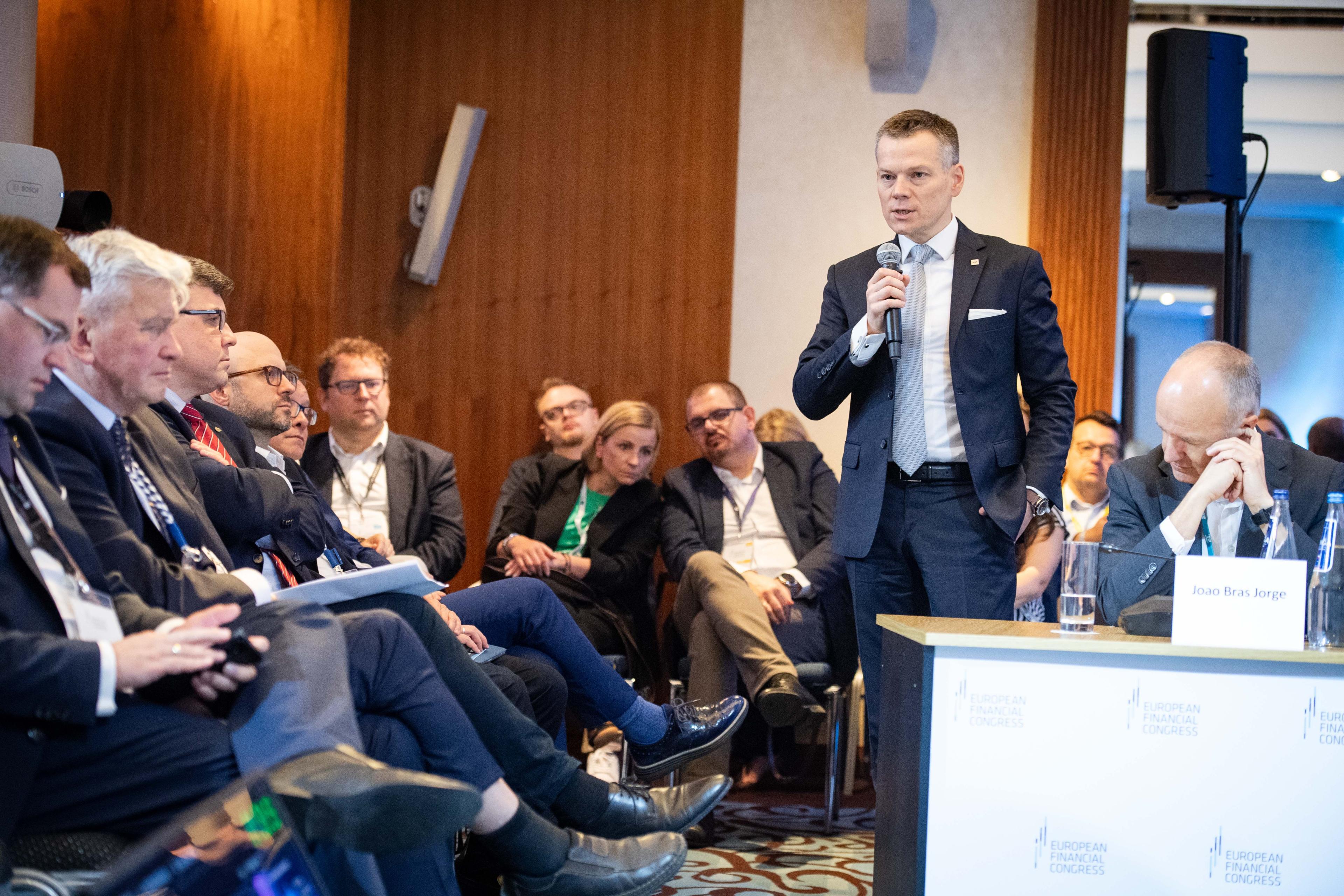
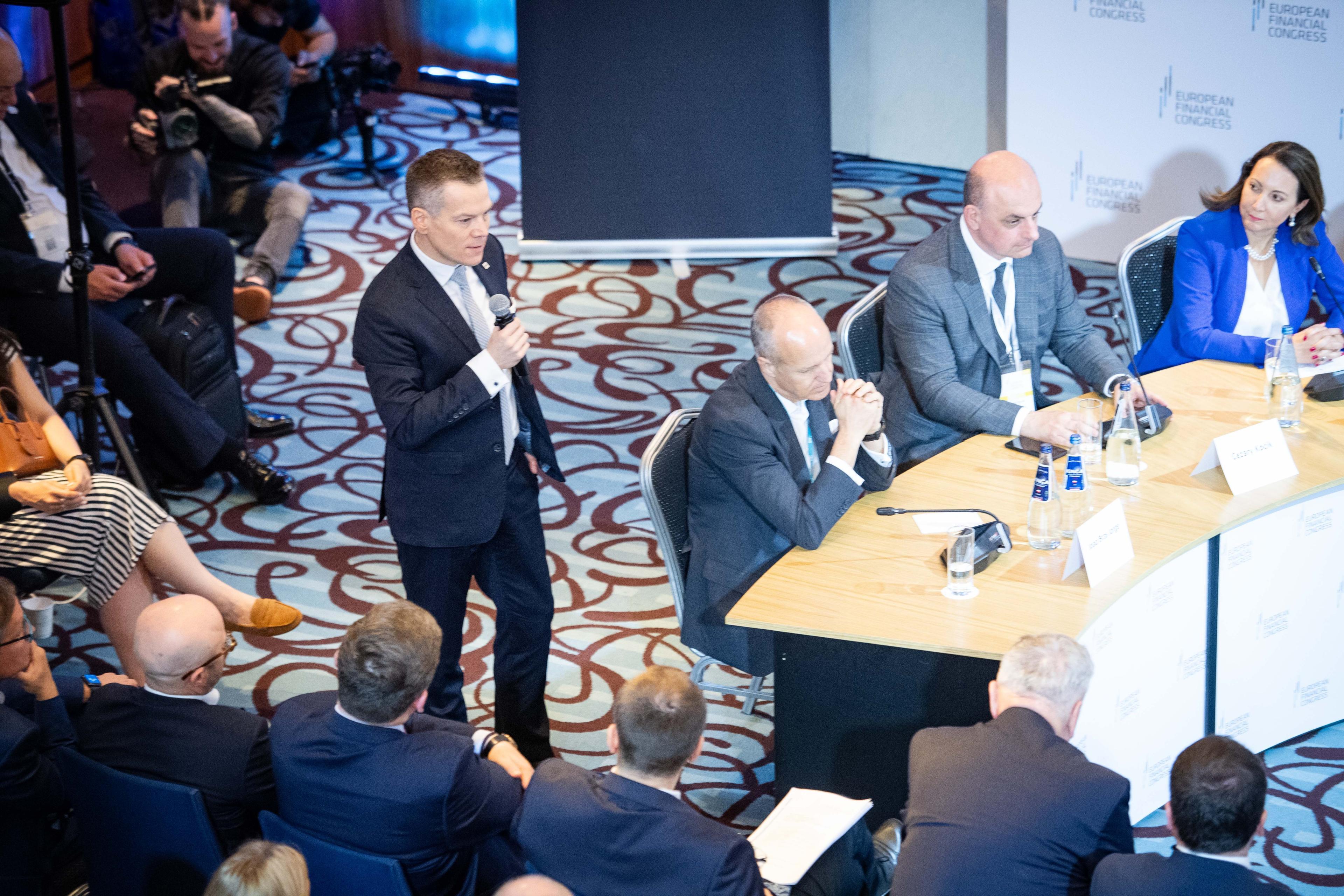
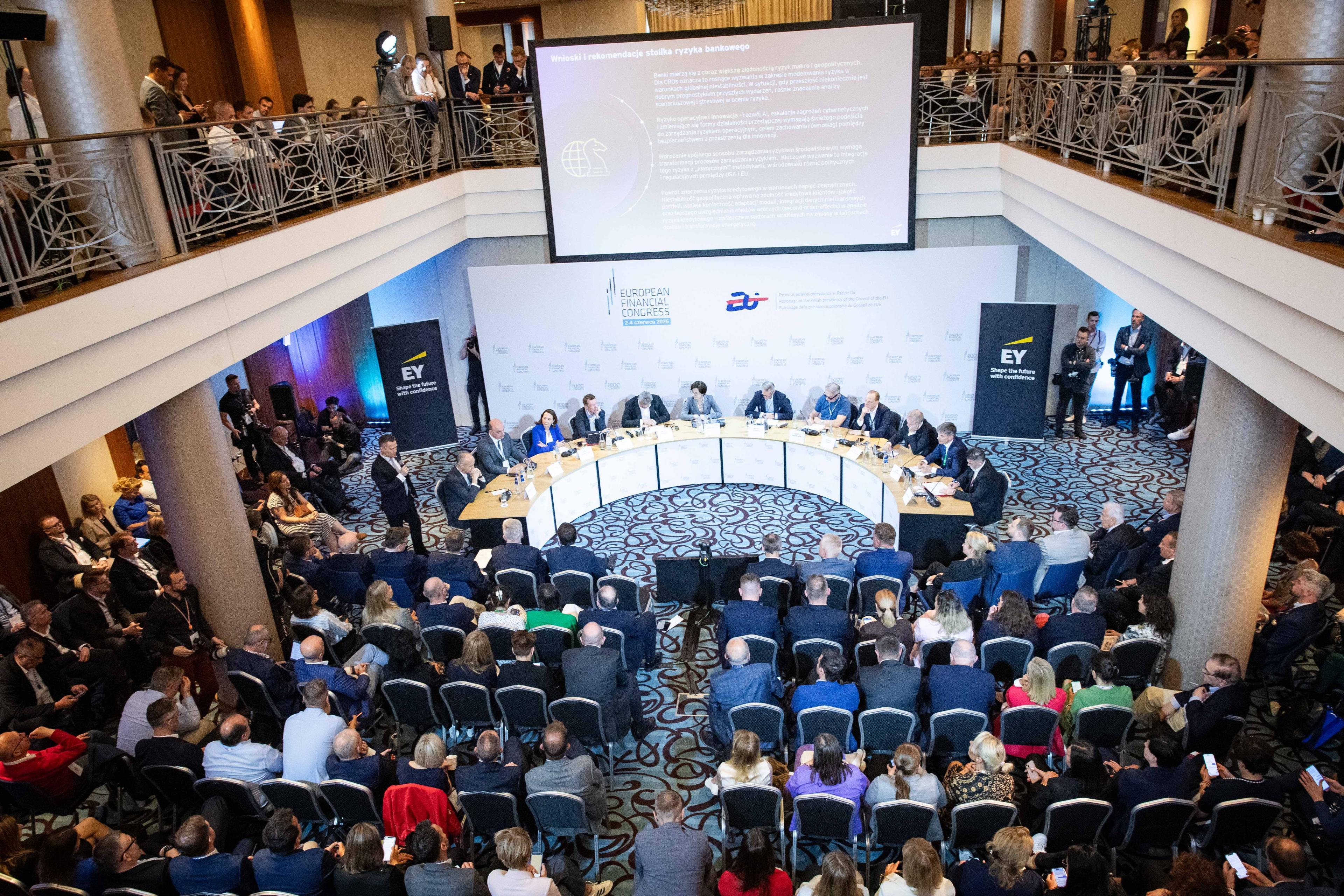
Jacek Jastrzębski, Chair of the KNF, spoke at the closing debate of the European Financial Congress titled ‘Map of challenges facing the banking sector. CEOs debate’, held on the third day of the event. He presented three points that, in his opinion, are vital when it comes to the challenges faced by the Polish banking sector:
- In the current macro-economic environment, we perceive the banking sector as a safety anchor and the sector fulfils this role well. However, we need a profound reflection on the financing mix for the Polish economy. We experience a sort of shortcoming in this regard. We cannot, though, fall into the temptation of making up for this shortcoming by excessively opening the banking market to risk. Let’s let banks be banks. Let their role in the economy grow but they should not replace other channels of financing, especially those reserved for the capital market. We should discuss how to optimise that mix. Deregulation should not lead to blurring the distinctiveness of the banking sector, for which stability and security are of primary importance. Dismantling this regime would not necessarily be the right thing to do. Let’s open the market to risk but let's do it, first and foremost, through the capital market.
- There is a need to modernise banking systems. The thread related to the development of artificial intelligence shows that there is room for non-bank players, start-ups, and banks do need them. It is necessary to re-consider cooperation with non-bank technology businesses. Without this, it will be difficult to adopt AI that would live up to our expectations. Dialogue between banks and technology firms is extremely necessary.
- Deregulation in the banking sector should focus not on the prudential regime but on data usage. If we fail to do this, we will not achieve milestone no 2, meaning the harnessing of AI potential. And there will be no milestone no 1. It is, therefore, necessary to deregulate access to data. Real barriers should be identified. This will allow us to respond better to risks related to fraudulent transactions and cybersecurity risks. The corset of regulations may make it more difficult for the ‘good guys’ to use technology for defence against ‘bad guys’, who do not care about those regulations.
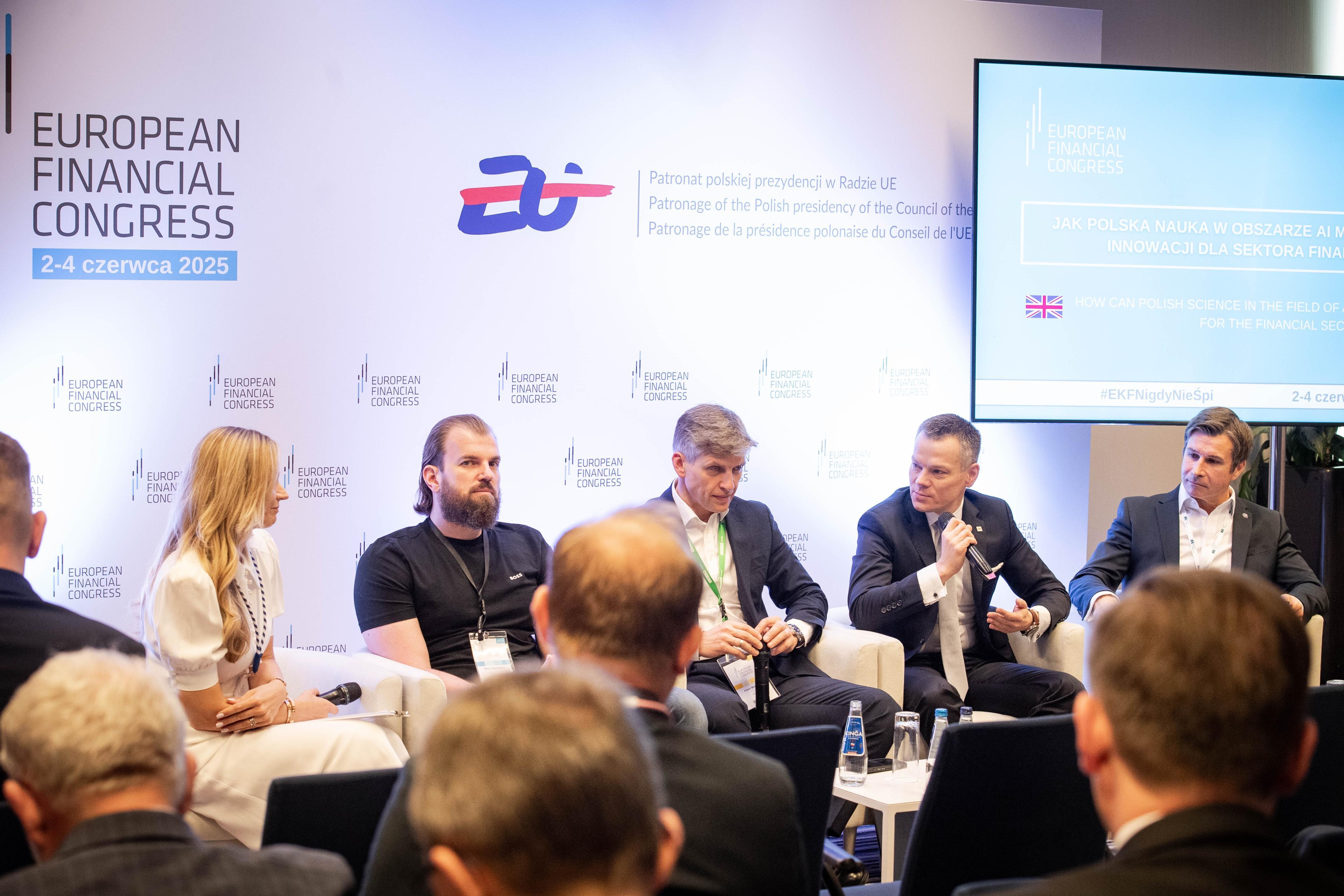
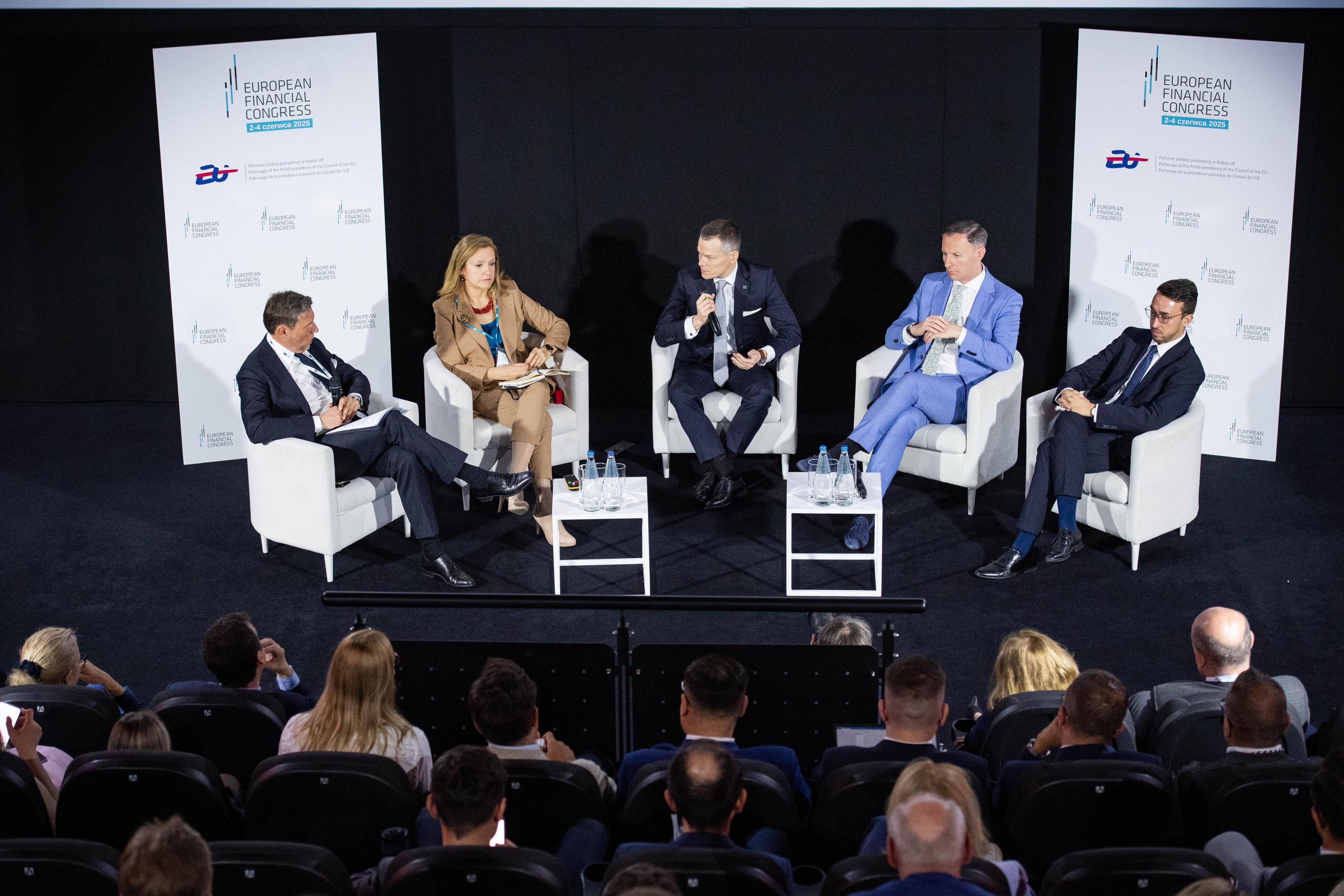
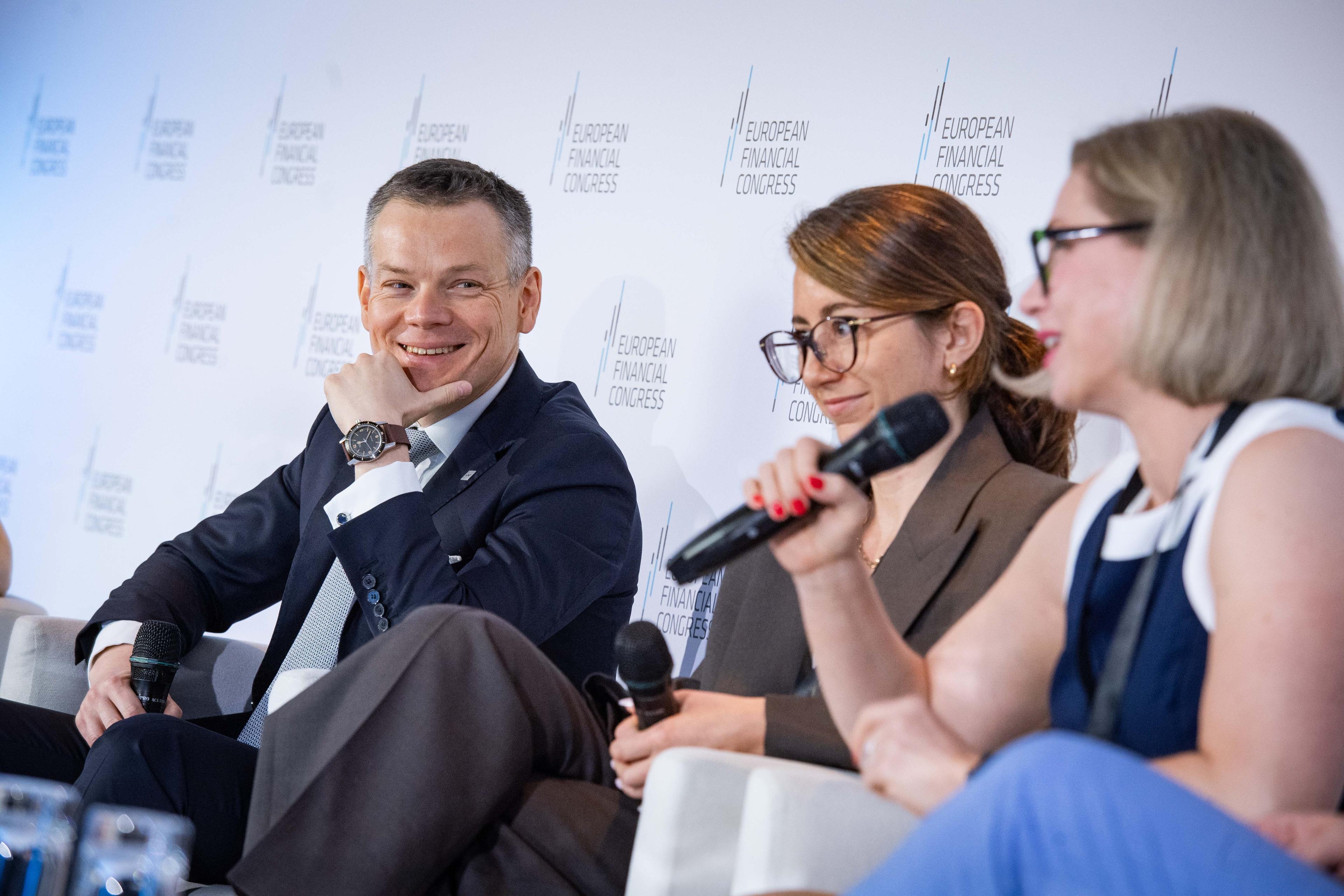
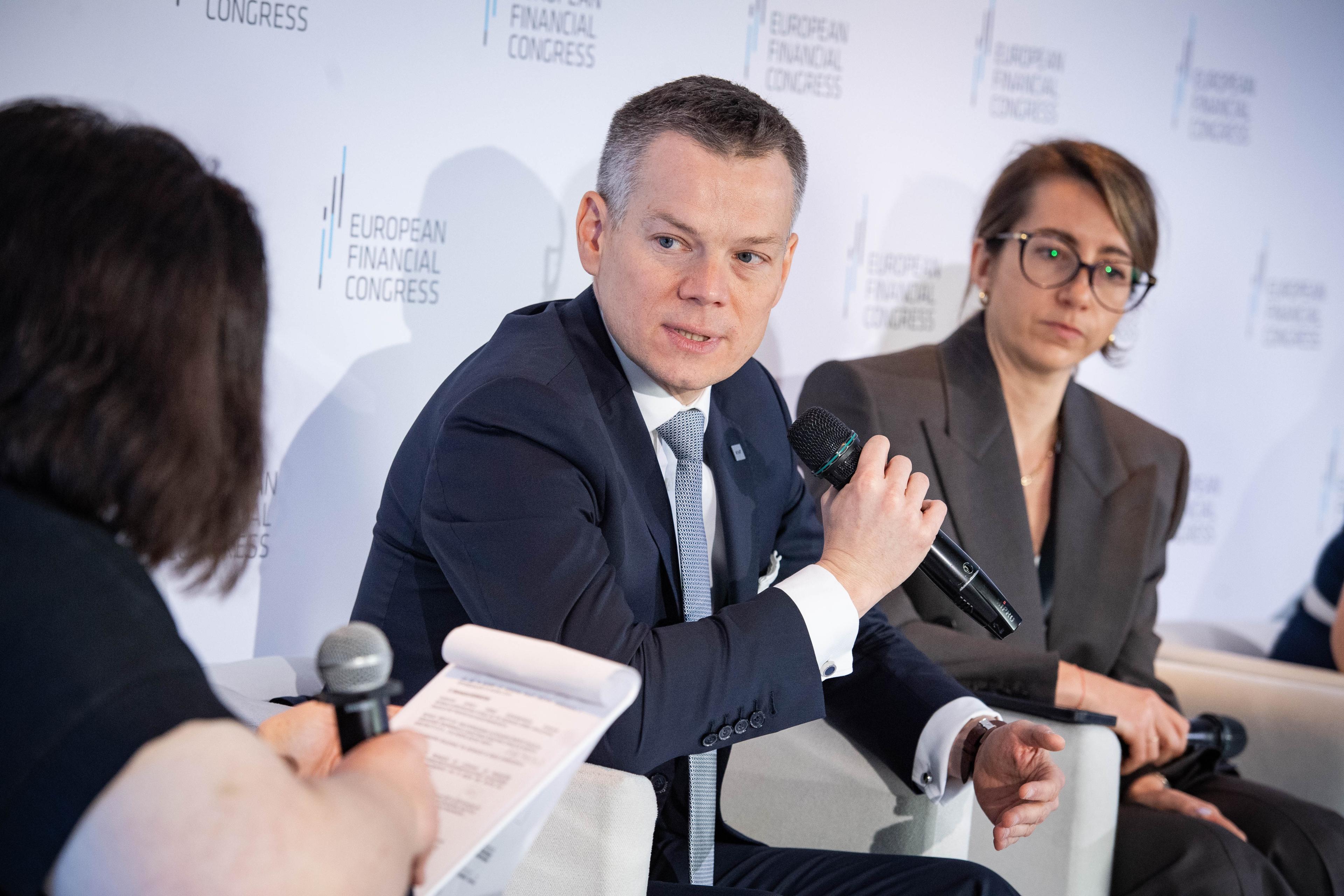
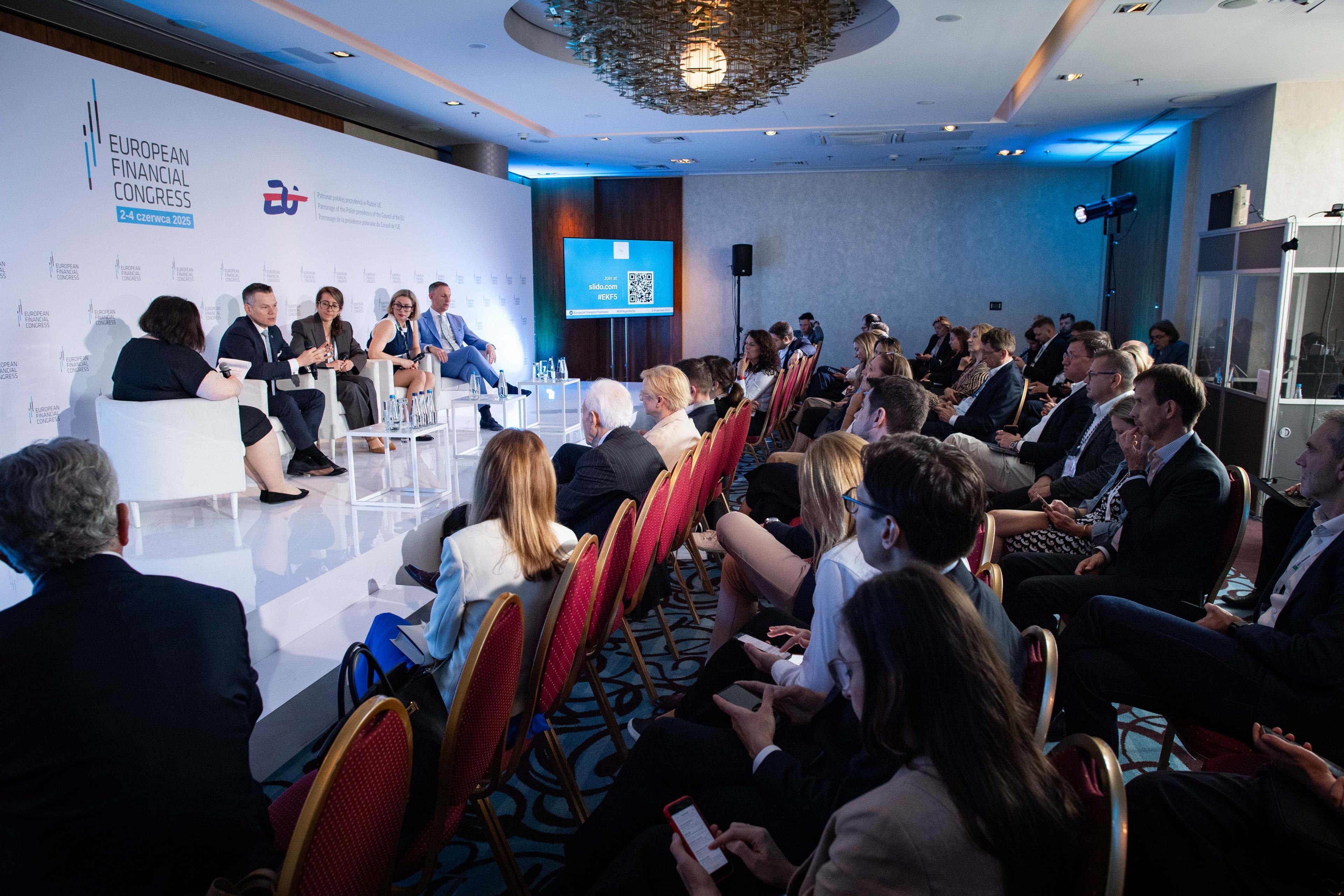
Jacek Jastrzębski was also a speaker on the EFC panel titled ‘How can Polish AI science provide innovation for the financial sector?’, held on Wednesday. The panel was organised in cooperation with the University of Warsaw. Jacek Jastrzębski spoke also on the panel titled ‘Model contracts and consumer rights protection and legal risk reduction’, co-chaired by the UKNF. The third panel with his contribution was the panel titled ‘Finance under pressure: how to balance consumer protection, market development and legal stability?’.
AI in the financial sector
When speaking on a panel focused on innovation in the financial sector, Jacek Jastrzębski assessed that the areas in which AI may find a significant application in the banking sector included risk assessment, protection of customers against fraudulent transactions and frauds, as well as tailoring banks’ offers to customers’ needs and anticipating those needs. ‘Risk assessment is at the heart of banking business, and it is exactly risk assessment that is a natural area of AI application. Secondly, I would identify detecting and counteracting fraudulent transactions and frauds and preventing disinformation, and thirdly, I would mention customisation of the offer, meaning the better tailoring of that offer to the needs of a customer. The latter will probably materialise automatically. I believe, however, that advanced technologies should serve not only business purposes but they should also enhance security,’ he said.
He added that the potential of using AI in the Polish industry, including the financial sector, remained unharnessed. ‘Poland has got an amazing intellectual potential. We have ideas, we have technologies. Maybe it would be good to go back to the idea of regulatory sandboxes, e.g. for AI,’ he said. He stated that regulations on personal data constituted a certain barrier for development in Poland. ‘Maybe we have gone too far in this regard. Regulations form a corset that limits development, while the effectiveness of such regulations, that is ensuring protection for citizens, is disputable in my opinion.’
Model contracts
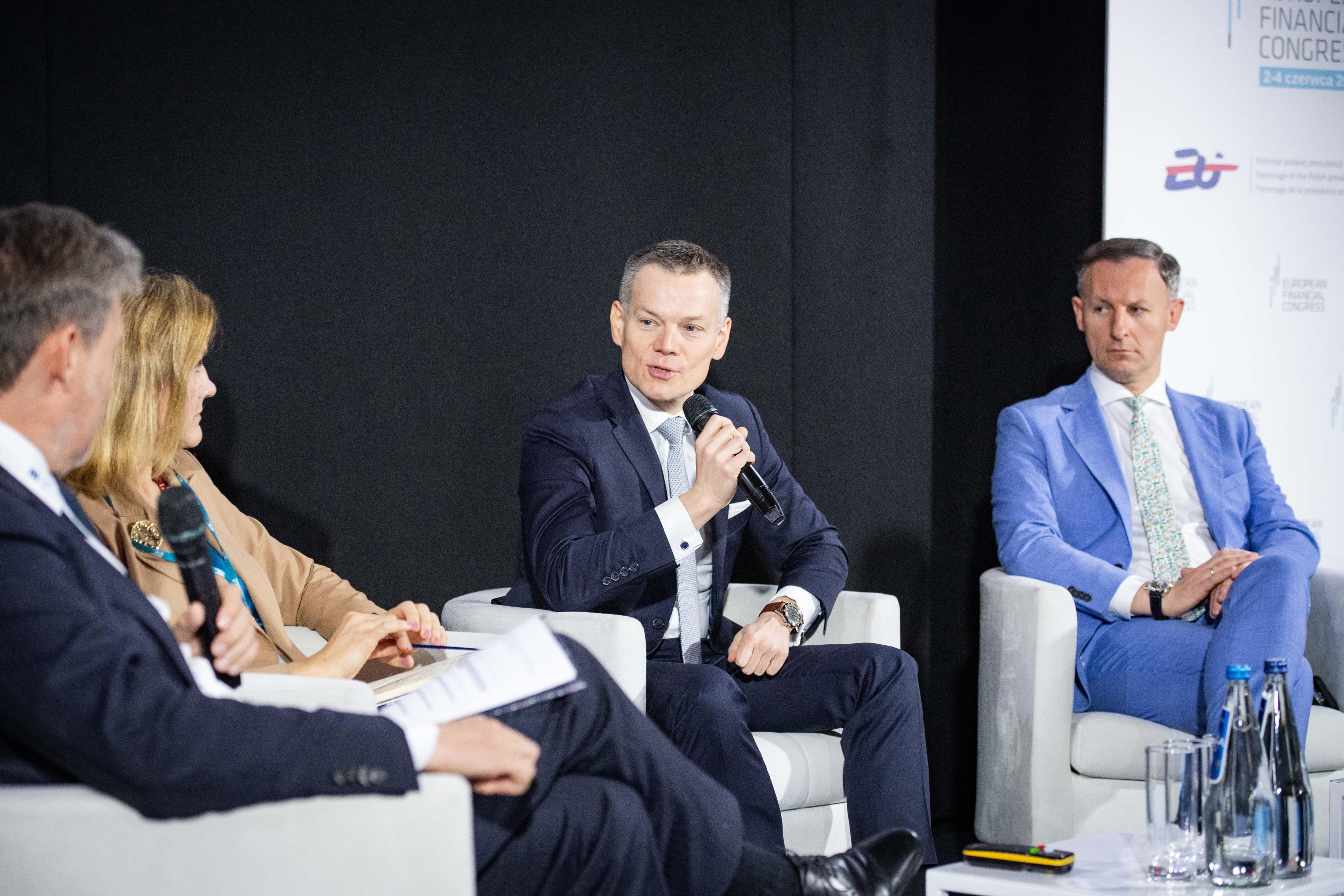
‘I definitely see a great value in model contracts. It is an initiative of major civilisational value,’ said Jacek Jastrzębski during the ‘Model contracts and consumer rights protection and legal risk reduction’ panel. He added that the discussion on the topic had started at the EFC two years before. ‘The starting point at that time was the reduction of legal risk. I pointed out that by following that direction we would not achieve a satisfactory result. I am glad we are in another place today,’ he said. ‘What we need to consider is a mix of various measures which – even though the contract model will be controlled under the Civil Code in terms of abusive clauses – will give a sense of security and the risk of it being challenged will be reduced,’ he added. According to Jacek Jastrzębski, providing customers with the sense of security will be a civilisational value of this project. ‘The customer will be able to focus on important matters, such as selecting the profile of interest rate, instead of digging through the documents from various banks, with each of those documents having a different structure,’ he said. ‘I am far from the paternalistic approach of telling customers what is good for them. The question is, however, whether the model of protecting customers related to information requirements has not reached its limits. I mean the model in which a decision must be made by the consumer, but the consumer must be perfectly informed. We have reached an absurd position in this regard. Is the customer supposed to understand how WIBOR is set? The customer must understand the consequences and the risk. A contract model may be such a tool,’ Jacek Jastrzębski added.
‘On the other side there is a reality that will look for new pathways for itself,’ he said. ‘Let us prepare a contract model but let us also take a comprehensive care of the customer to avoid an alternative route to present itself,’ Jacek Jastrzębski said to summarise the debate.
Finance under pressure
Topics related to consumer protection were raised during the ‘Finance under pressure: how to balance consumer protection, market development and legal stability?’ panel. In his contribution, the Chair of the KNF asked the following questions: ‘Do we read everything we sign? Or maybe consumers fell victim to the system we created to protect them ? He pointed out that the consumer protection model must evolve from the purely informational system, in which the consumer is flooded with detailed, often technical, information to the one in which the consumer can assume that there is nothing in the contract they sign that would be a threat.
The Chair of the KNF added that this would require the creation of a strong organisation to represent the interests of consumers, counter-balancing the voice of banks but, at the same time, not channelling the voice of legal firms.