Multimedia - Komisja Nadzoru Finansowego

COMMUNICATION
Jacek Jastrzębski on the panels on consumer protection and development of the banking sector
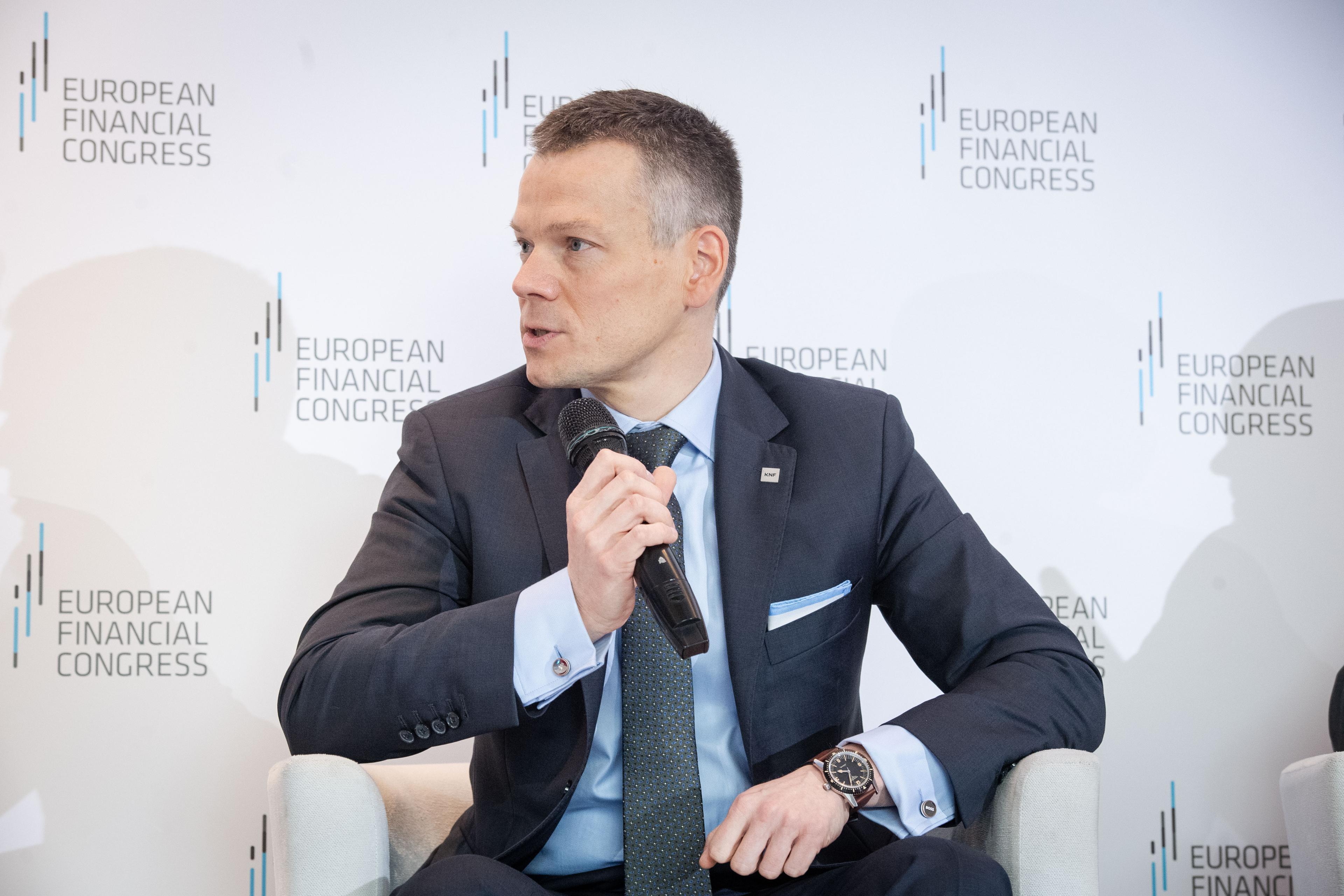
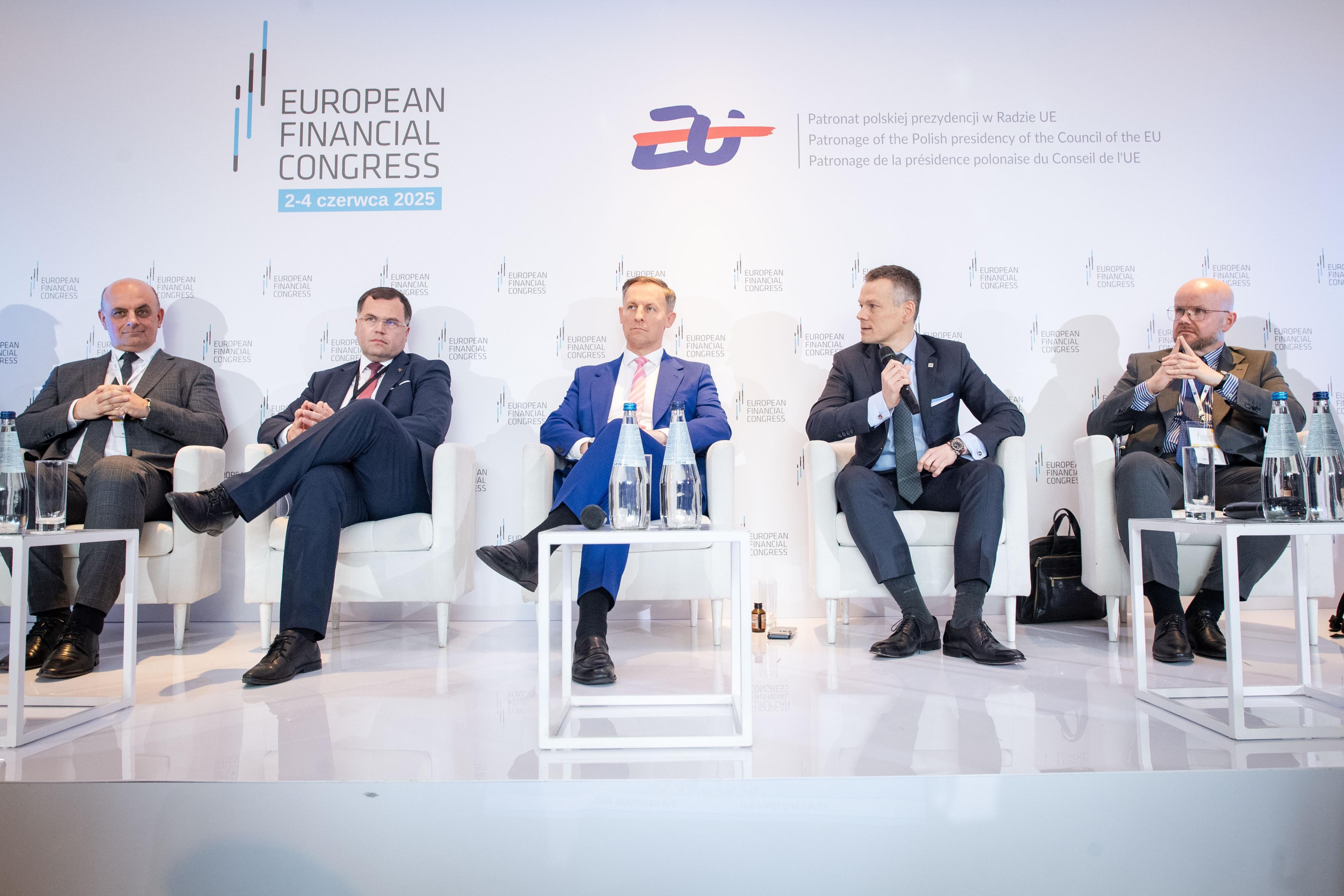
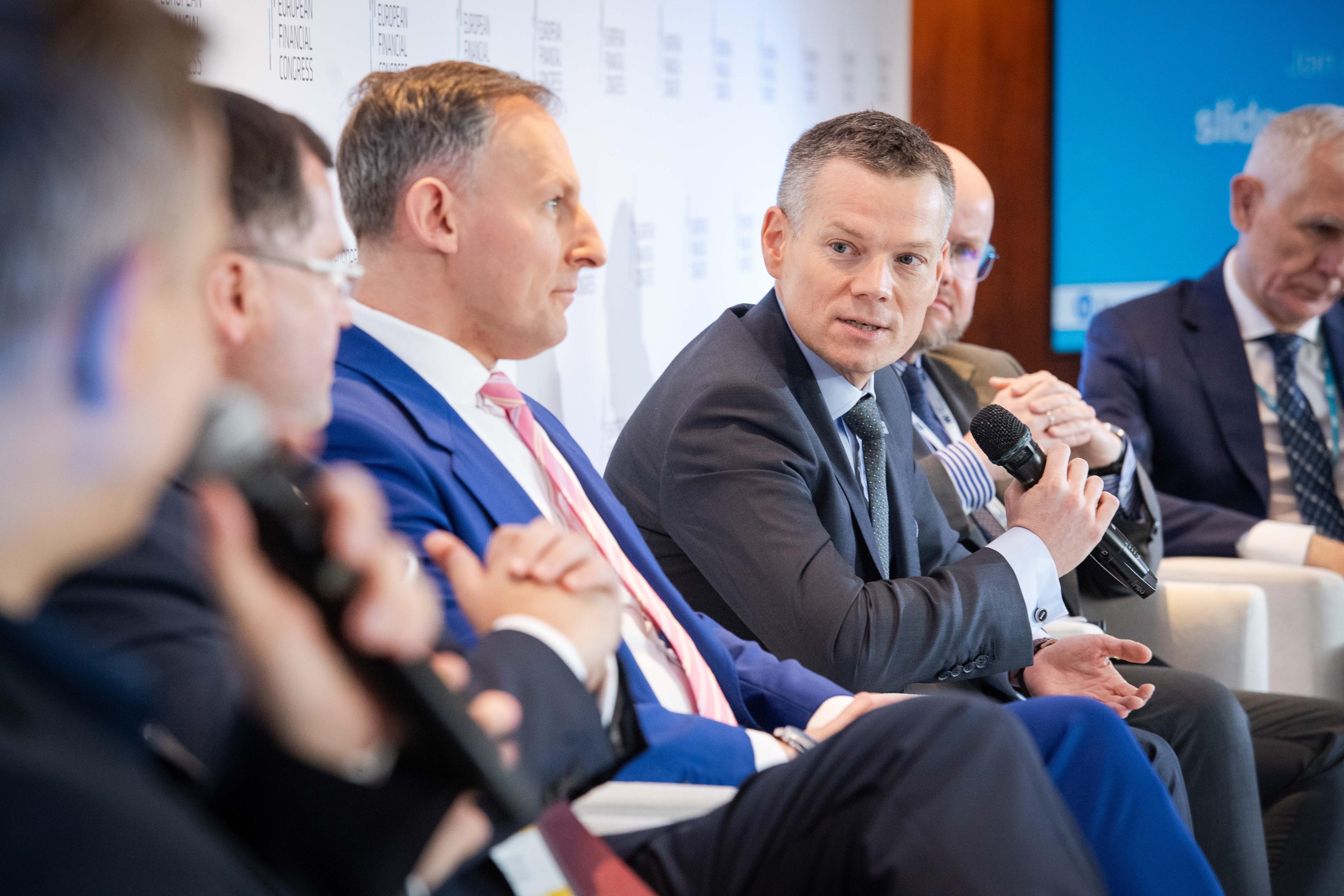
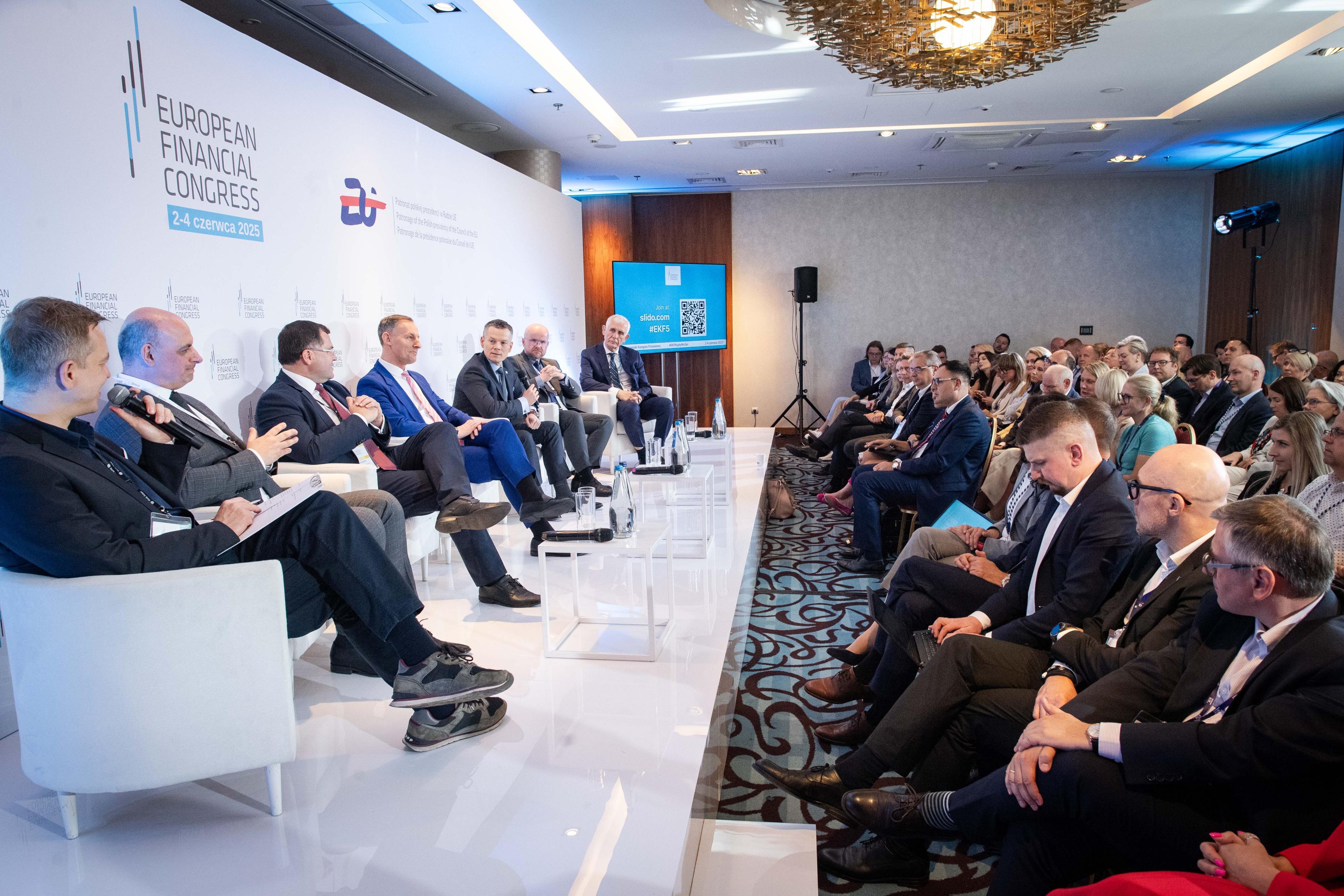
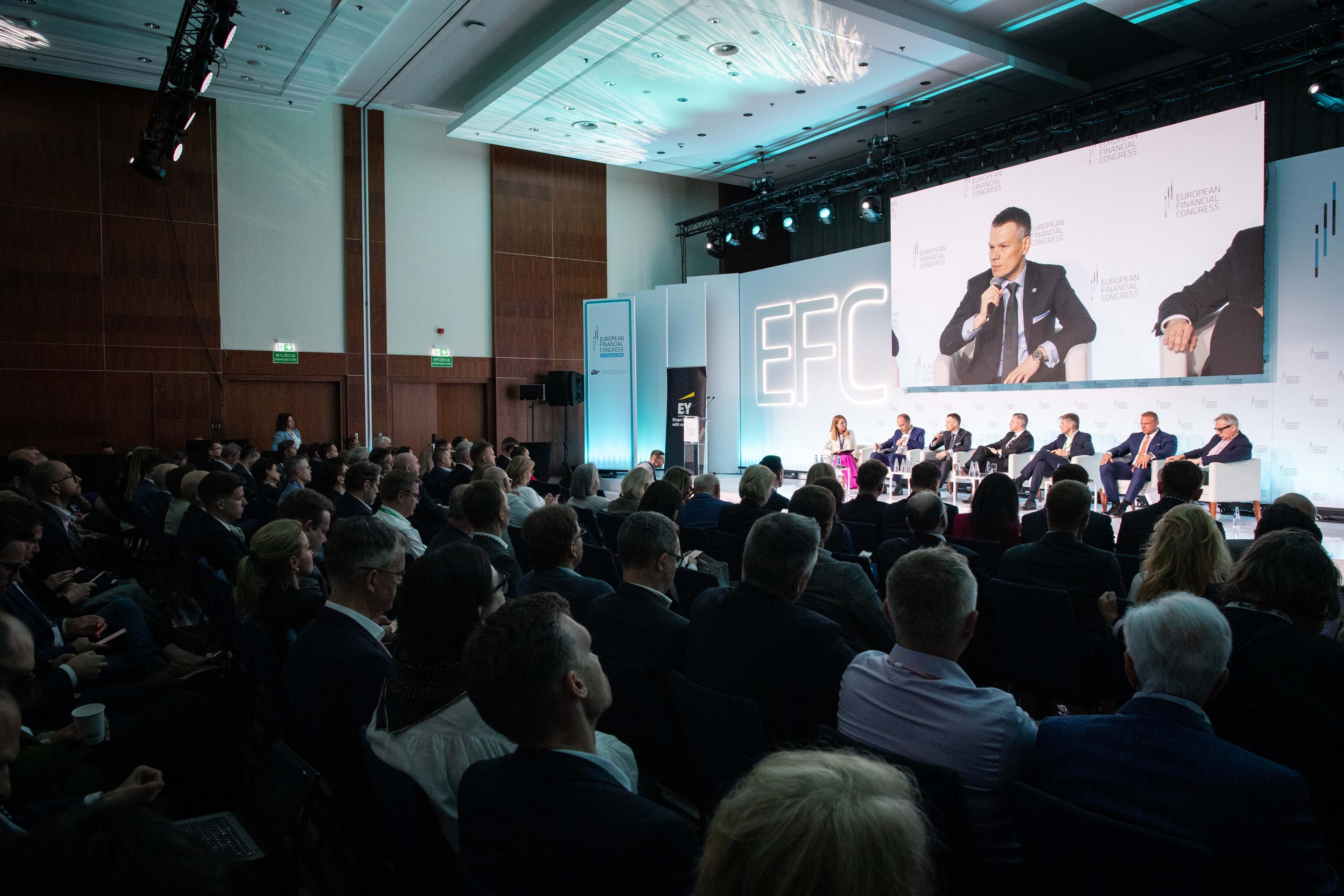
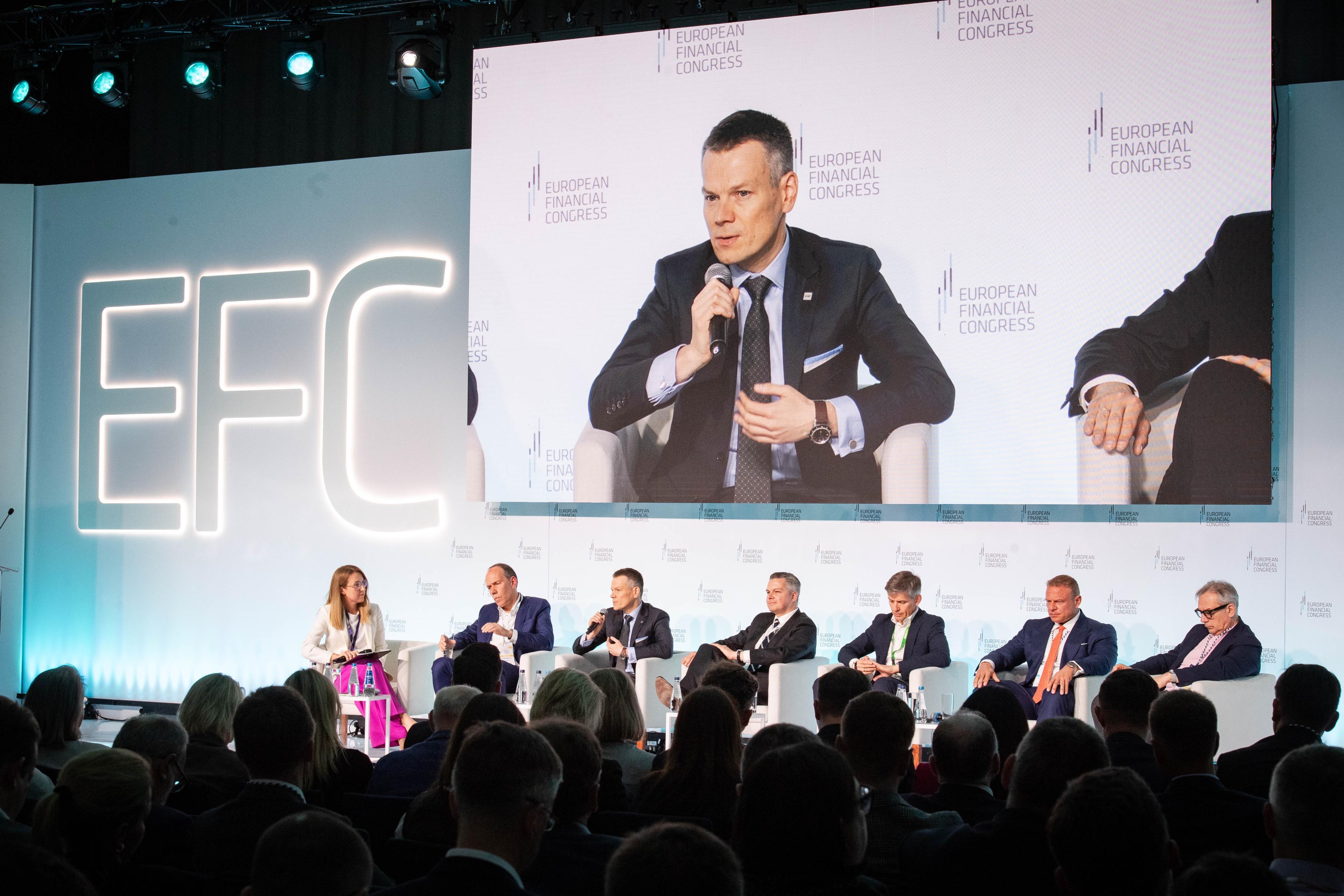
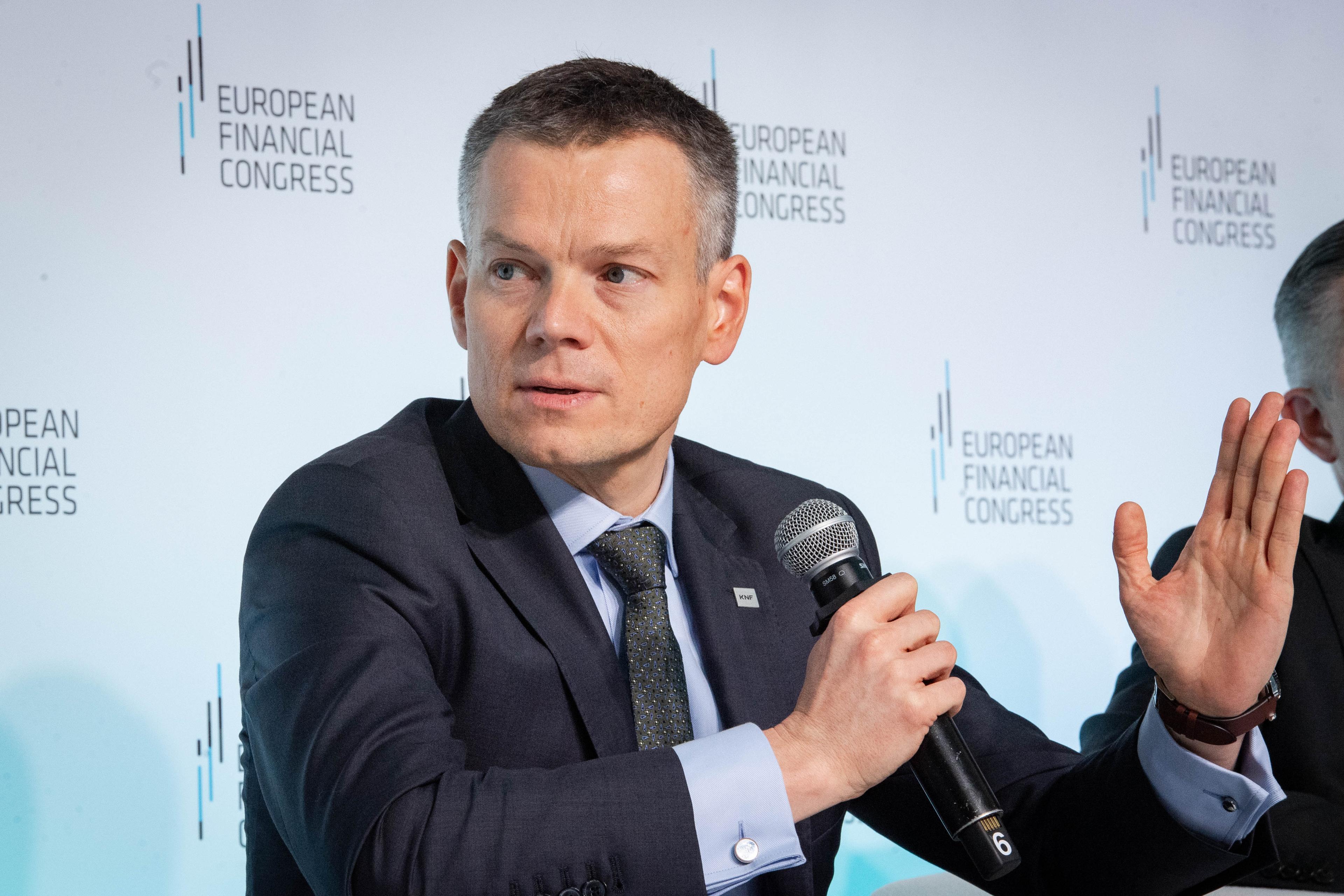
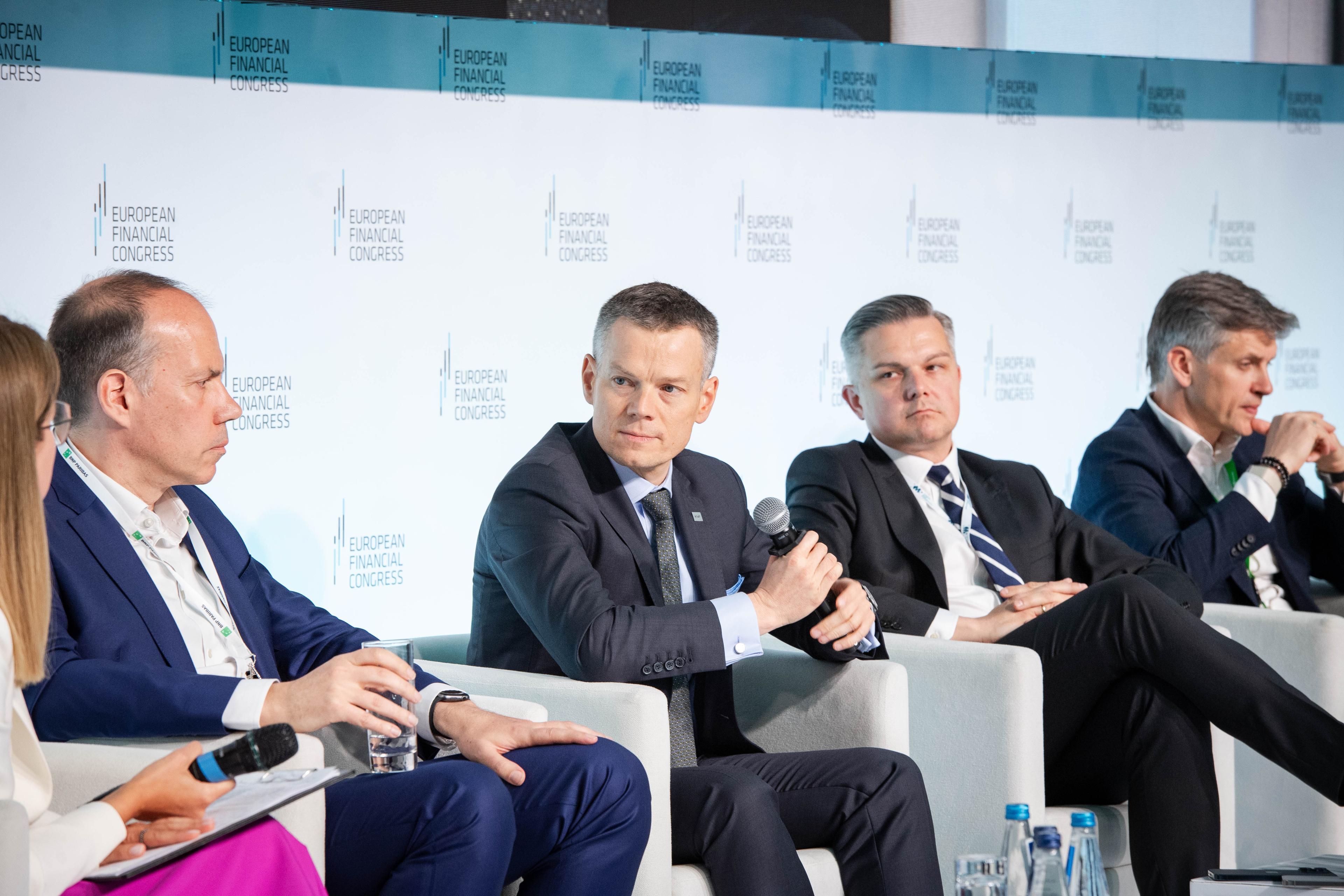
Jacek Jastrzębski, Chair of the KNF, took part in the following panels at the European Financial Congress: ‘The limits of consumer protection in finance’ and ‘Conditions for the development of the banking sector in Poland against the background of current trends in the EU and the USA’.
‘We have to take things in our own hands; this is the lesson learned from the Swiss franc saga,’ Jacek Jastrzębski said, summing up the panel on the limits of consumer right protection. In his contribution during the panel, he stated that now was the time where one could not pretend that nothing had happened. The joint responsibility of the financial market and public institutions is to draw conclusions from what has happened in the Swiss franc saga. The emerging concerns or risks associated with consumer protection – searching for abusive clauses or anchor points in court cases against banks – have already been seen before, in the case of Swiss francs. So the Swiss franc saga must be looked at without emotions, and the current and future problems must be handled better.
Jacek Jastrzębski said that the UKNF was not a spokesperson for anybody: the UKNF was trying to find a solution based on common sense, and settlement agreements were this kind of solution. The court rulings went much further, though, than the proposed optimal solution. ‘I would like this saga to have a different ending. What happened was wrong but one has to analyse this and draw conclusions,’ he said. ‘So that – in similar situations, when a certain critical mass emerges – we are not once again forced to accept the systemic solutions which are not adapted to a given systemic problem,’ he added. He has pointed out that the 100 billion Polish zloties losses incurred by banks as a result of Swiss franc cases have not set a new normal; however, they have set a new reality. The final ruling is not a solution compatible with common sense and cannot be viewed as a reasonable level of consumer protection. It is our common responsibility to make sure that it never happens again. He added that in that context, the implementation of the CCD2 is a unique opportunity to improve the regulations on consumer credit.
During the second panel (‘Conditions for the development of the banking sector in Poland against the background of current trends in the EU and the USA’), the Chair of the KNF said that the Polish financial sector, including the banking sector, was safe and well capitalised, which constituted an achievement of whole generations of Polish bankers and financial supervisors, but it was not as big as we would want and it did not live up to our ambitions. Its size is much below the size of financial sectors in the countries we want to compare ourselves to. Now we should reflect on how to make the sector more dynamic, so that it can be more involved in the financing of ambitious strategic projects.
Jacek Jastrzębski also said that he looked at the Polish financial sector mainly through the lens of the economy, whose needs are satisfied mostly by the banking sector. Traditional banking regulations, on the other hand, are marked by the component of stability and security. One should resist the temptation to fall for the idea of simplifying regulations so that banks could perform the function that should be ultimately fulfilled by the capital market. In this case, it is about a totally different risk profile, which is unacceptable in the banking sector. Banking operations take place on a scale between stability and profitability. One must not move that balance point too far towards the financing of high-risk projects, as it can be a trap. What is needed is an appropriate financing mix, which must be complemented outside the banking sector.