Multimedia - Komisja Nadzoru Finansowego

COMMUNICATION
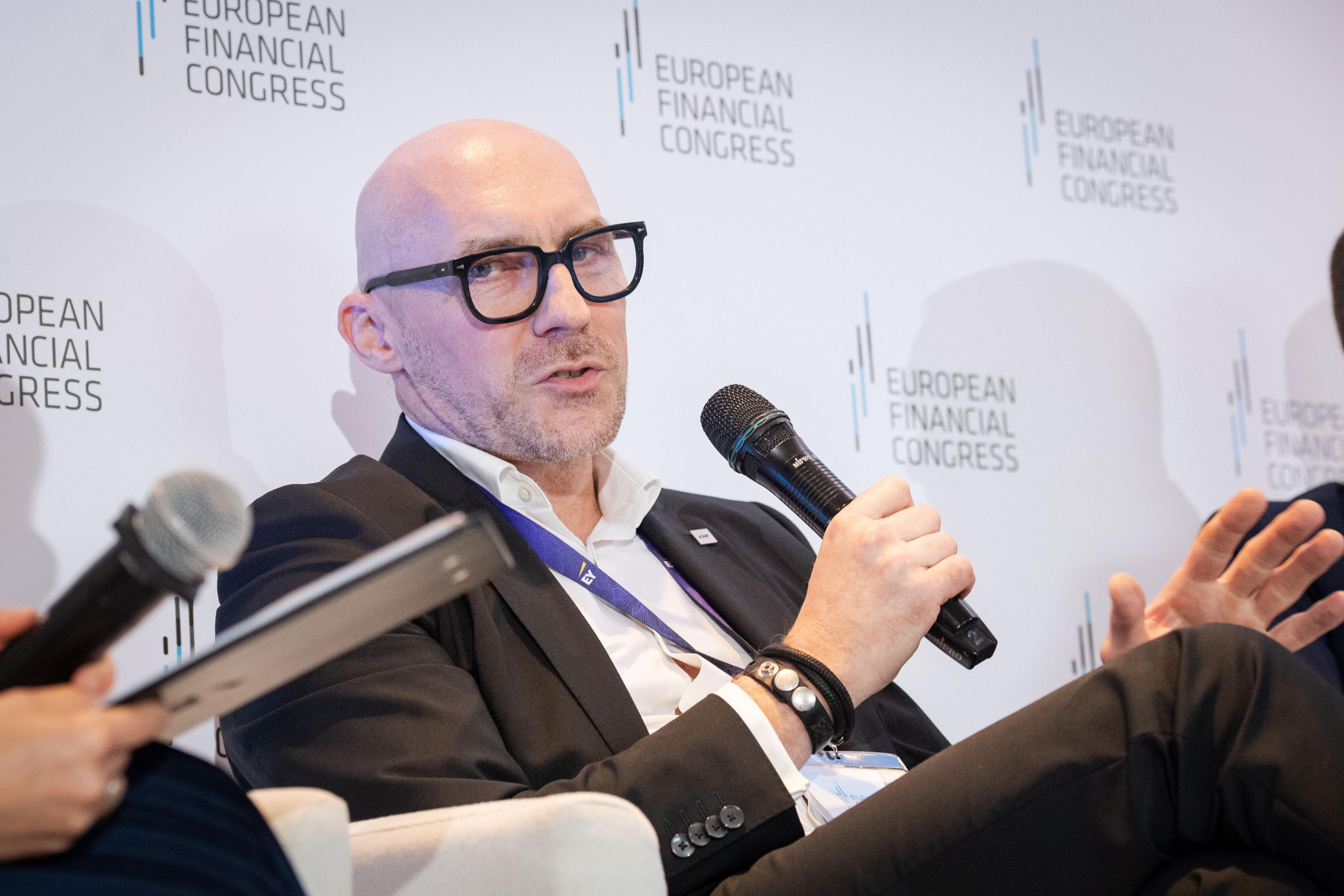
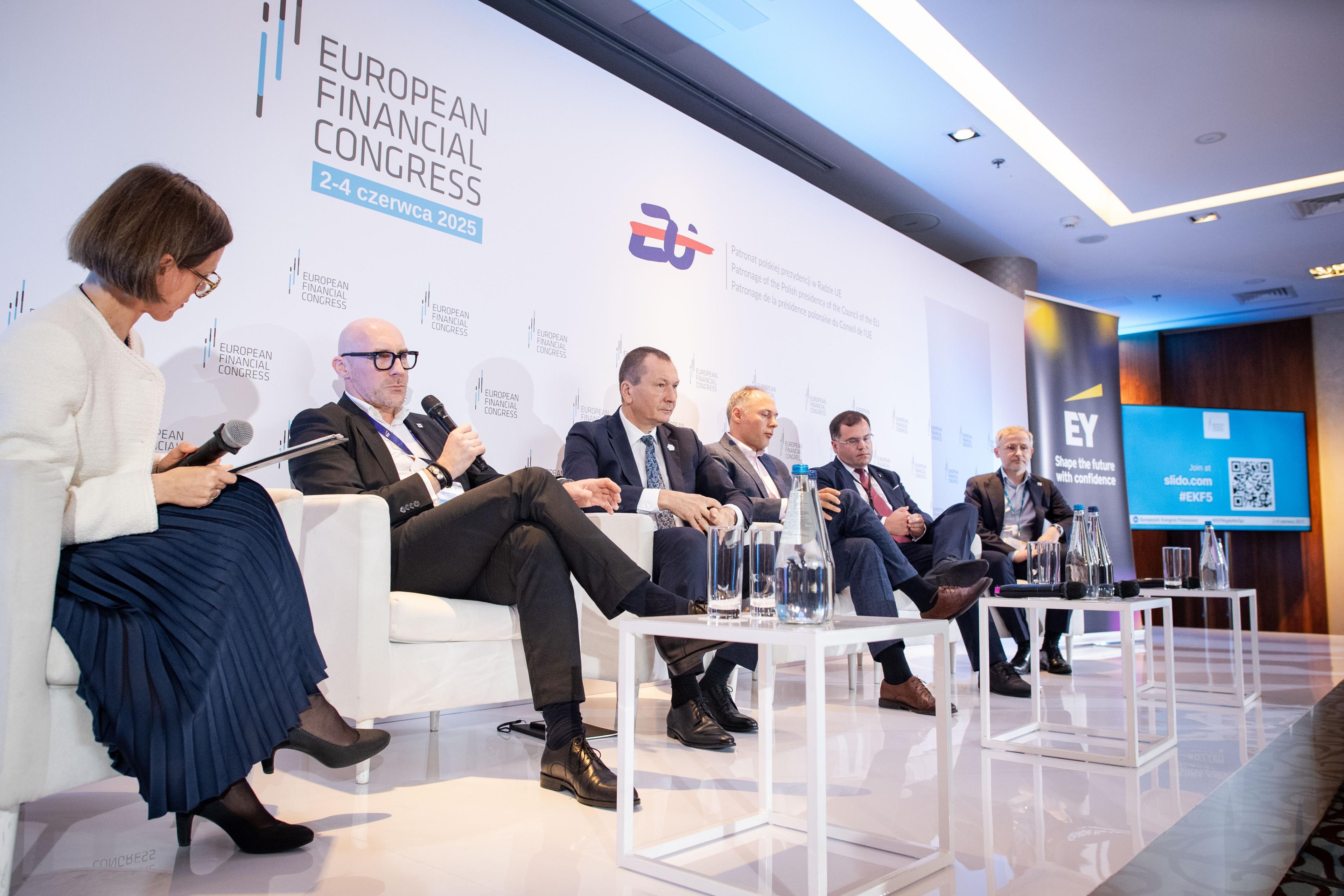
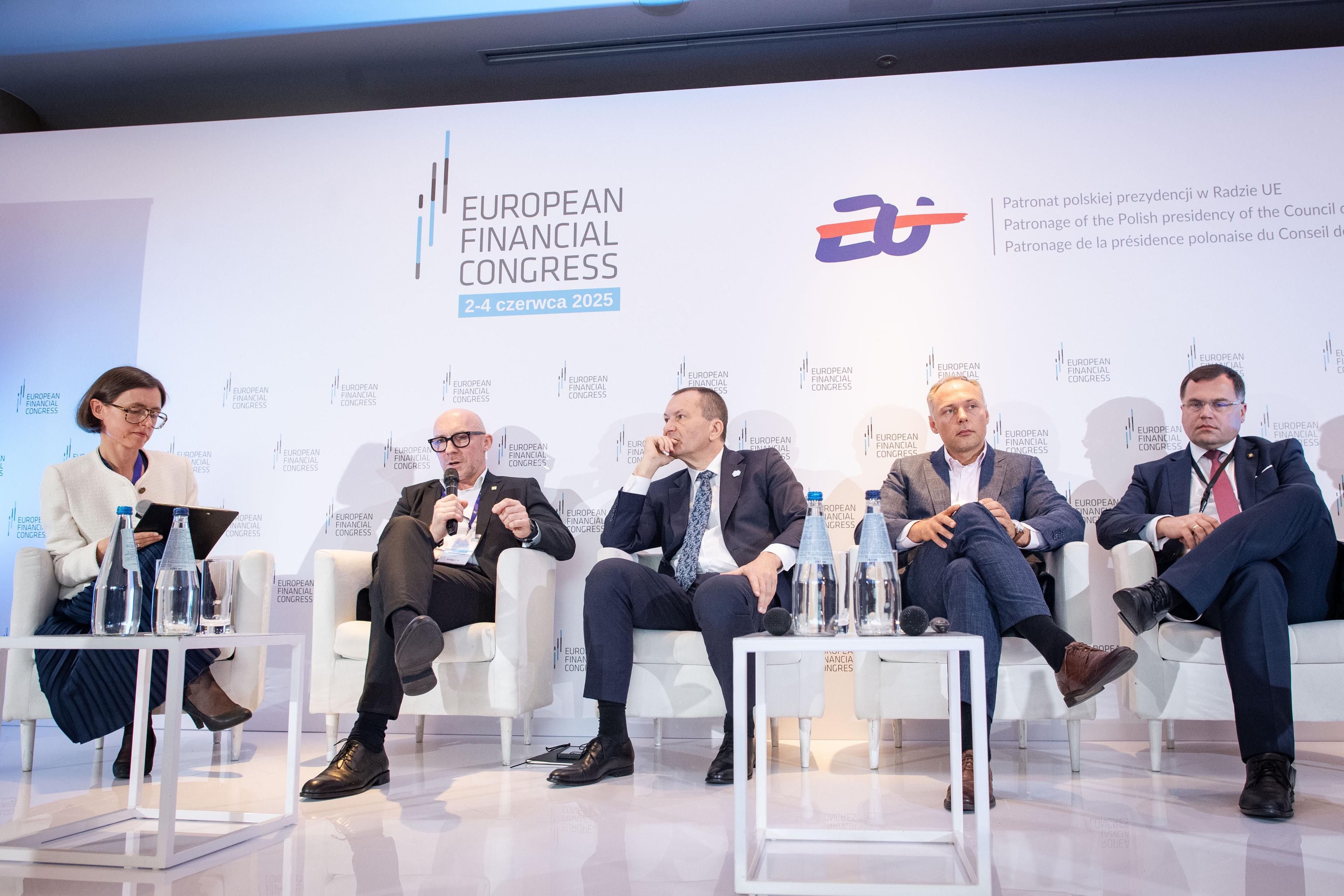
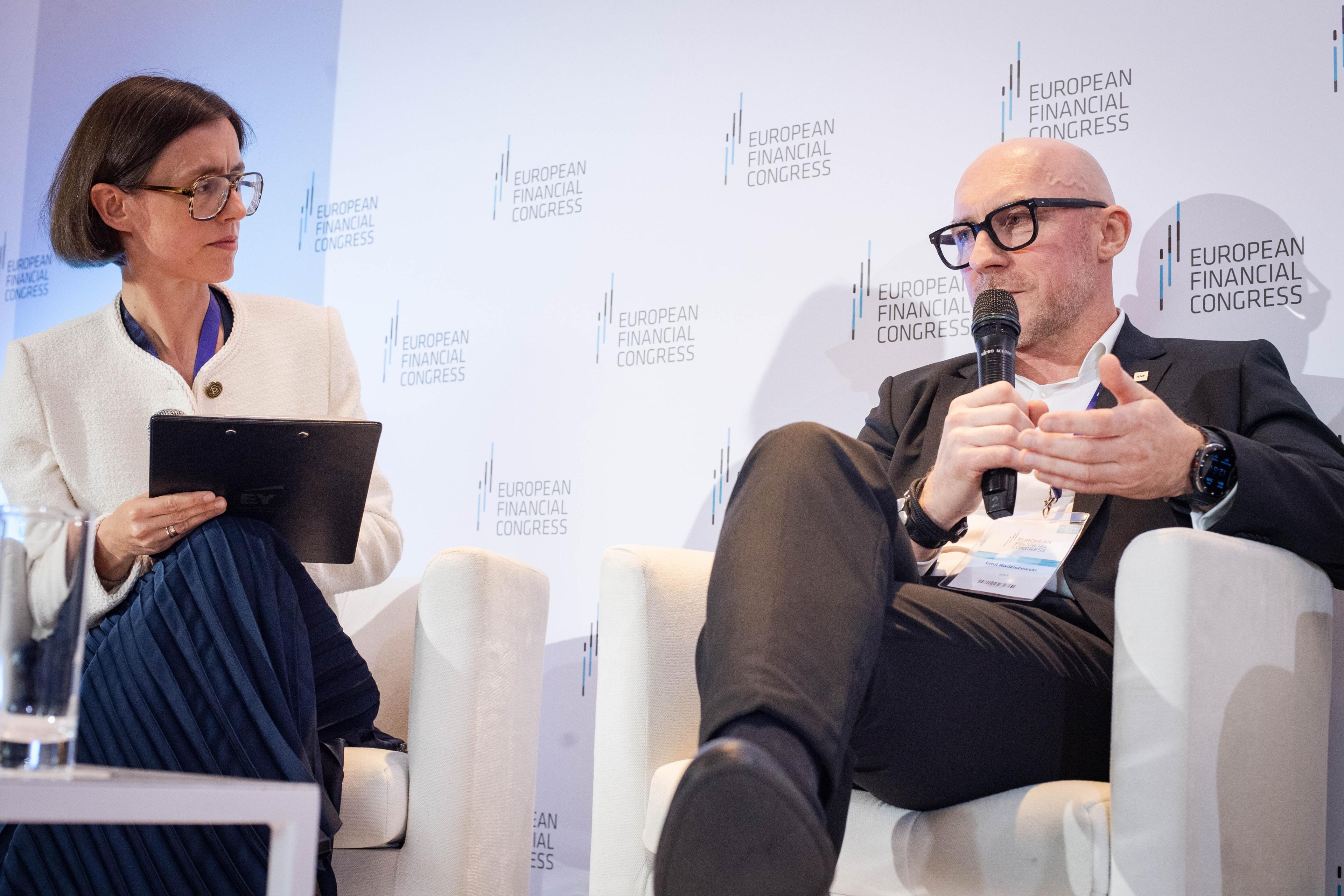
Emil Radziszewski spoke at the European Financial Congress panel on unauthorised transactions
Emil Radziszewski, Managing Director of the Banking Supervision Division at the UKNF, took part in the panel titled ‘Unauthorized Transactions and Investment Fraud – A Modern Plague of the Financial Sector’ as part of the 15th European Financial Congress.
Key points of Emil Radziszewski’s contribution:
- The modus operandi of criminals in frauds that consist in cash swindling or deceitful persuasion into a payment transaction is the same. Criminals manipulate the victim and provoke strong emotions, such as fear or hope. They take advantage of human brain reactions developed in the course of evolution: when the human brain experiences emotional arousal, on one hand it activates its part responsible for impulsive, instinctive reactions, and on the other hand, it is able to shut down its part responsible for rational thinking, memory of an experience or detecting cause-and-effect relationships. Consequently, the victim makes decisions and takes actions that are irrational from the perspective of a rationally thinking person. It is not necessarily the case then that the victim actually consents to a transaction consciously, even if they authorise that transaction.
Liability for unauthorised transactions
- The essential difference between cash swindling and fraudulent persuasion of the victim into executing a payment transaction is that in the case of deposited cash the risk of losing it is passed on to the depositary (the bank). If the bank were robbed and cash stolen, it would not be the depositors who would bear the burden – the bank would not reduce their account balances. In the context of this transfer of risk occurring in relation to deposited cash, one should take into account rules related to unauthorised payment transactions, and those rules should not be perceived as rooted in the protection of consumers. It is precisely due to risk being transferred to the bank that the bank carries the burden of proving that either the transaction in question has been authorised or that, even though it was unauthorised, the payer contributed to it intentionally or by breaching their agreement with the bank, or by violating the security rules with gross negligence.
- So-called authorised frauds are common; these are situations where clients authorise transactions while being in error as to the essence of the transaction, which is caused by manipulation orchestrated by criminals. In such cases, the bank should refuse to refund the lost funds, as long as it is able to prove authorisation. If the bank cannot prove that the transaction has been authorised, it should assume that it was unauthorised and refund the funds. The same thing should happen if the client is responsible for the unauthorised transaction and the absence of the client’s authorisation of the transaction results from breaching the agreement concluded with the bank, intentional action, breach of security rules or gross negligence. In such cases, the burden of proof also rests with the bank. Naturally, this does not preclude the possibility of the bank seeking recourse from the client or taking advantage of various options of securing such a claim.
- Given the very limited possibilities of detecting and prosecuting crimes related to payment and investment frauds, and the very limited effectiveness of prevention on the part of users of payment services (resulting from the susceptibility of the human brain to manipulation), the only effective way to prevent those crimes is through the actions of the banks and other payment service providers themselves. Banks possess the largest sets of data on the methods used by criminals, the attack vectors and the behaviours of payers in a fraud situation. They should actively use this knowledge and share it among themselves. This knowledge may be used to gain a competitive advantage. Close cooperation and concerted efforts of banks to prevent swindling are vital for effectiveness in this area. If banks identify any regulatory needs in this regard, they should report them, and the supervisory authority on its part declares its support for all initiatives that will contribute to reducing the scale of fraud.