Multimedia - Komisja Nadzoru Finansowego

COMMUNICATION
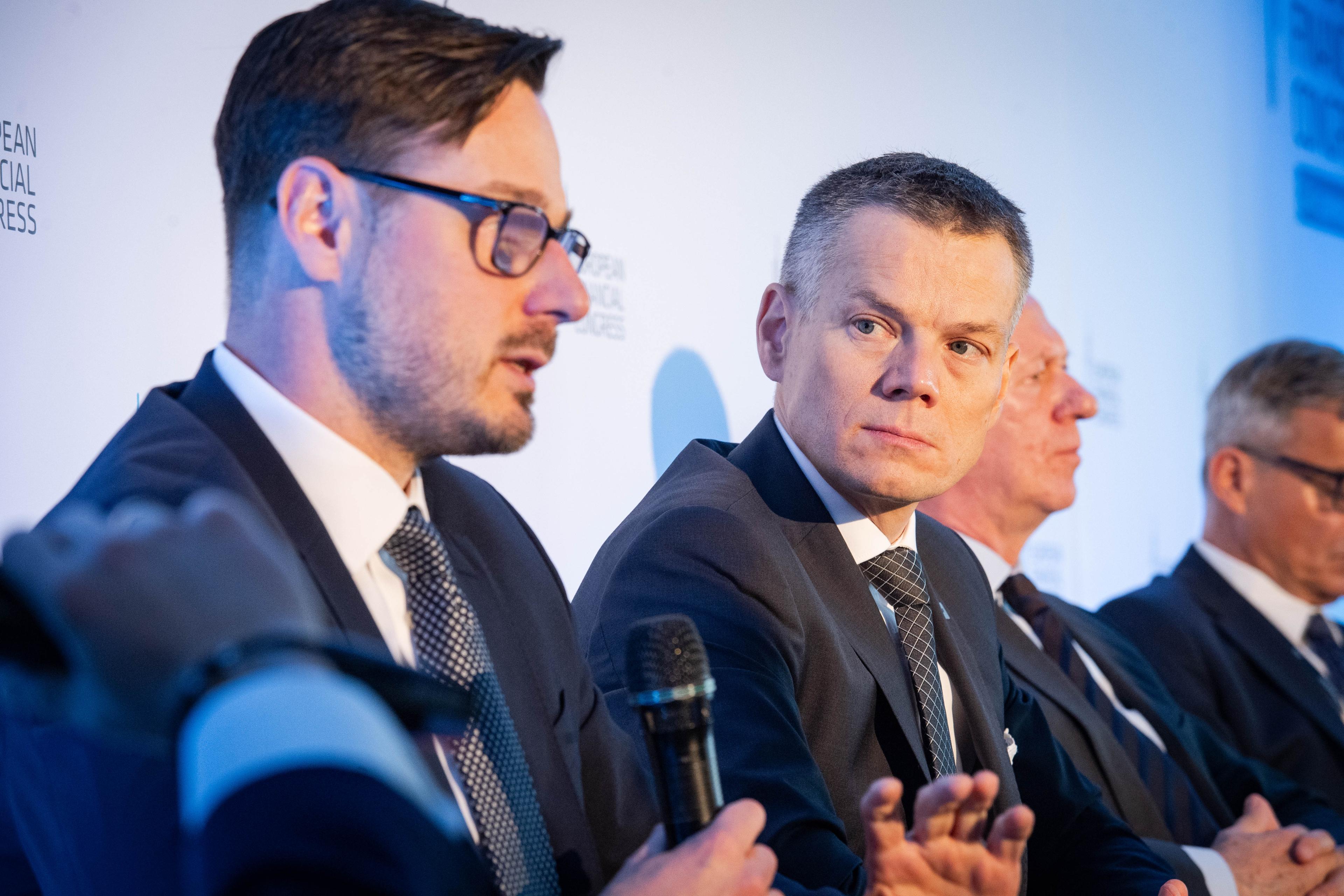
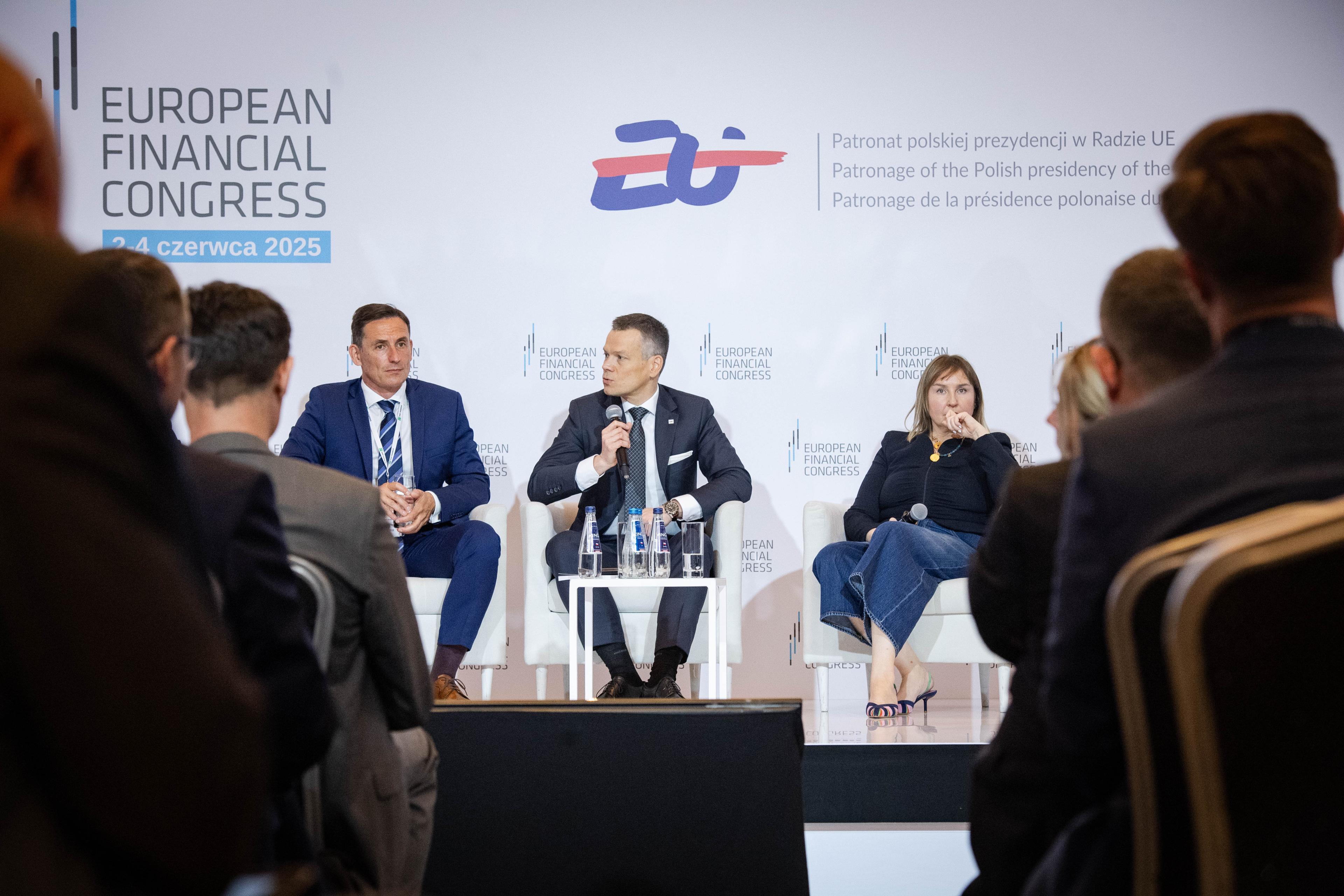
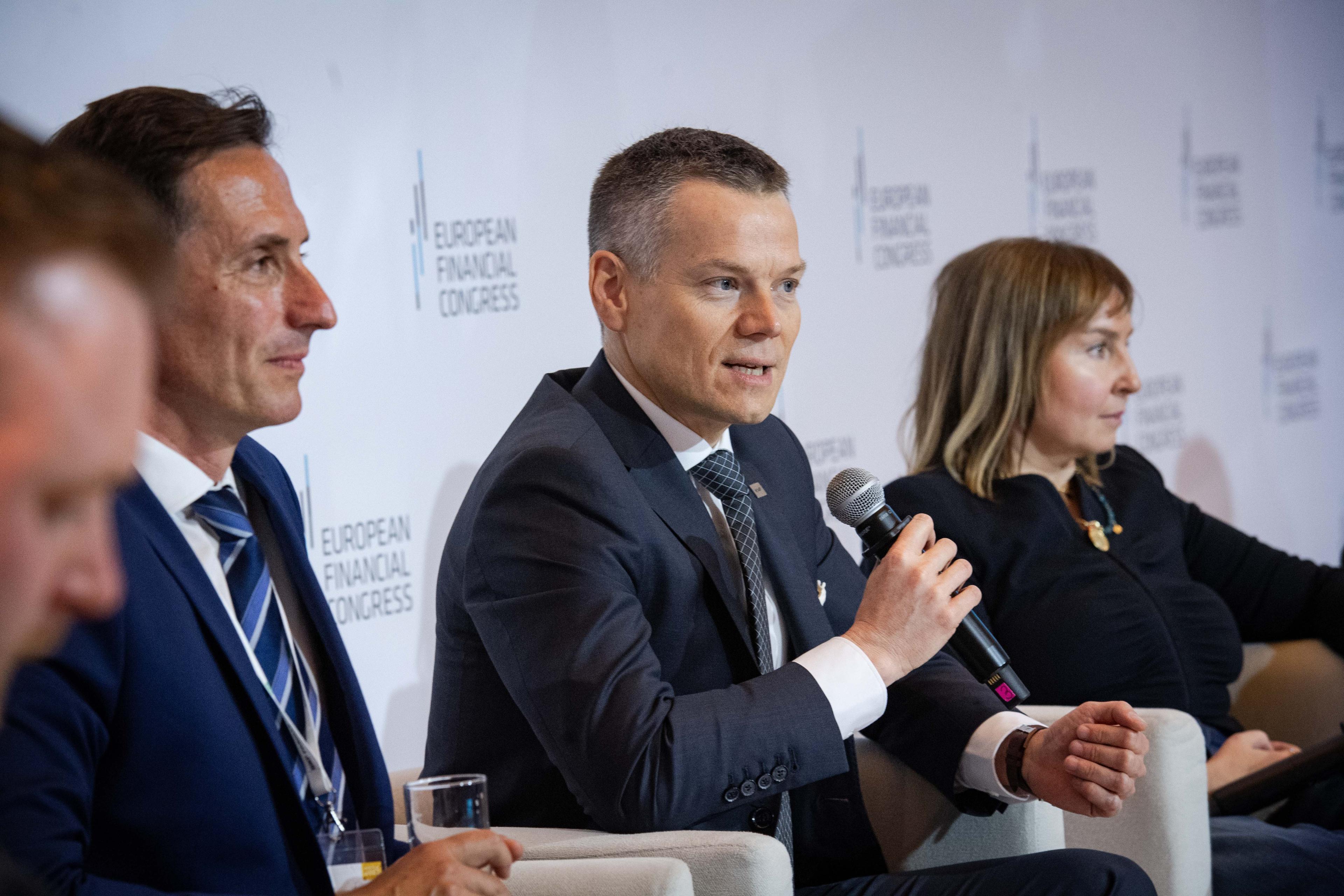
Jacek Jastrzębski took part in the European Financial Congress panels on the role of foreign capital and deregulation
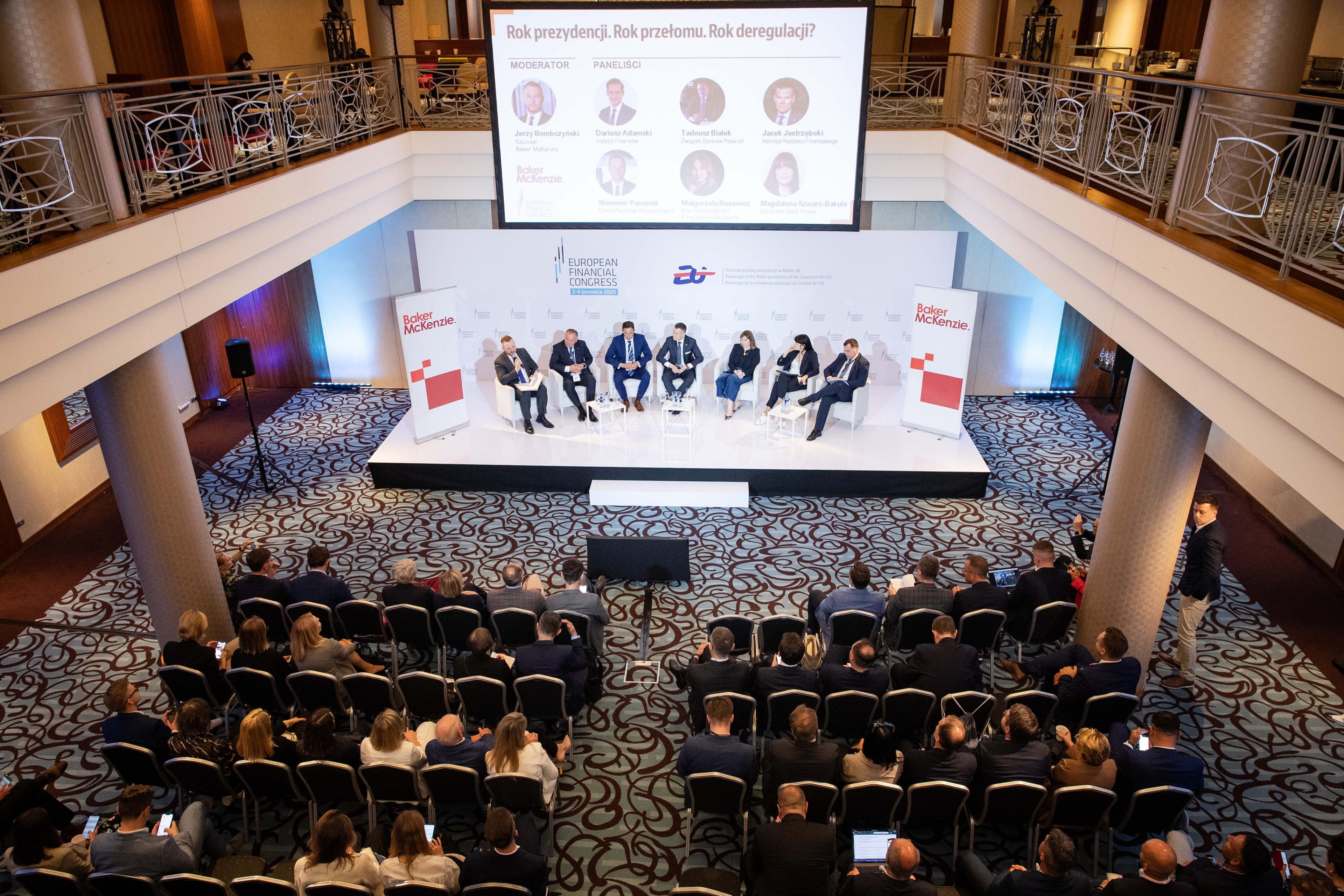
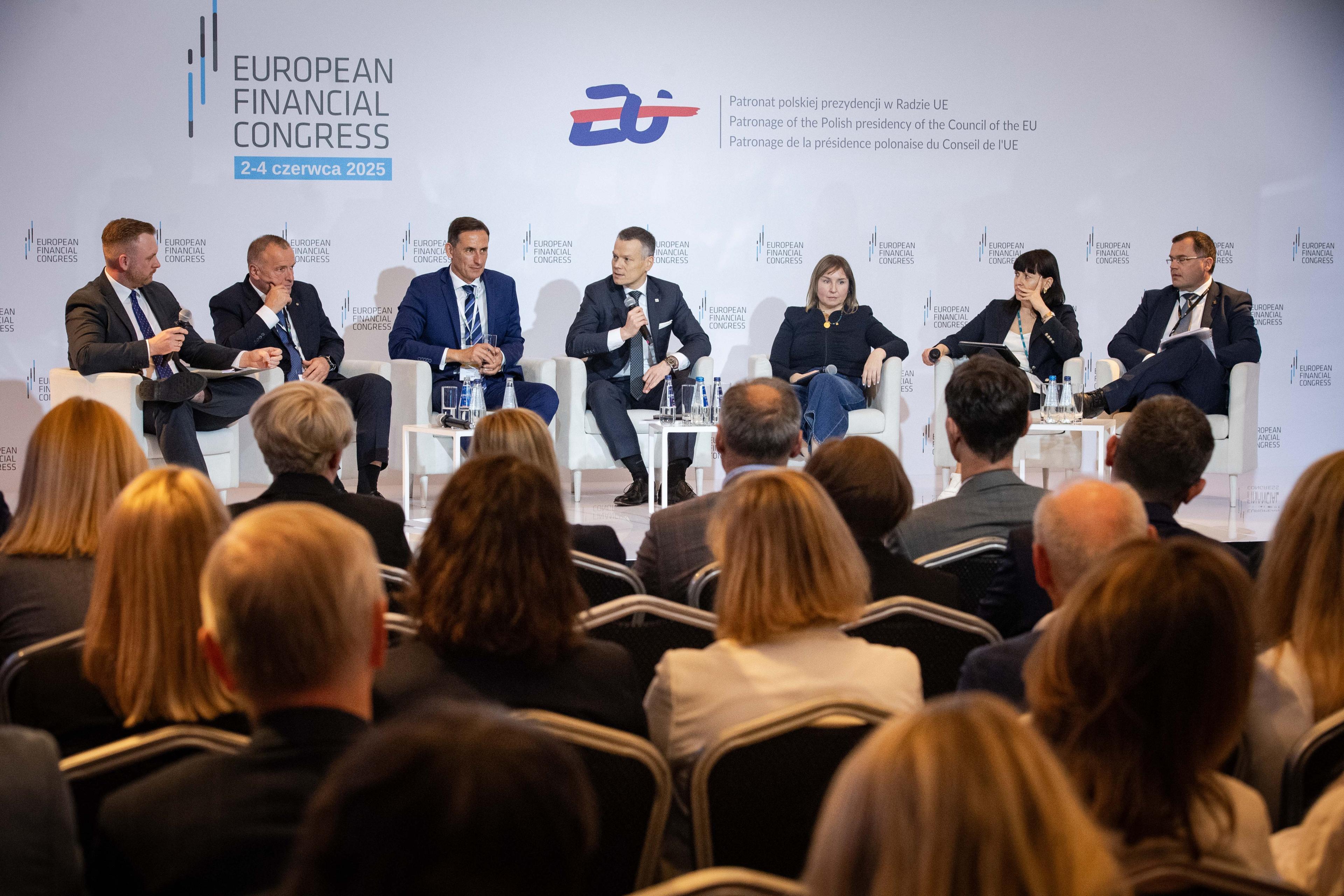
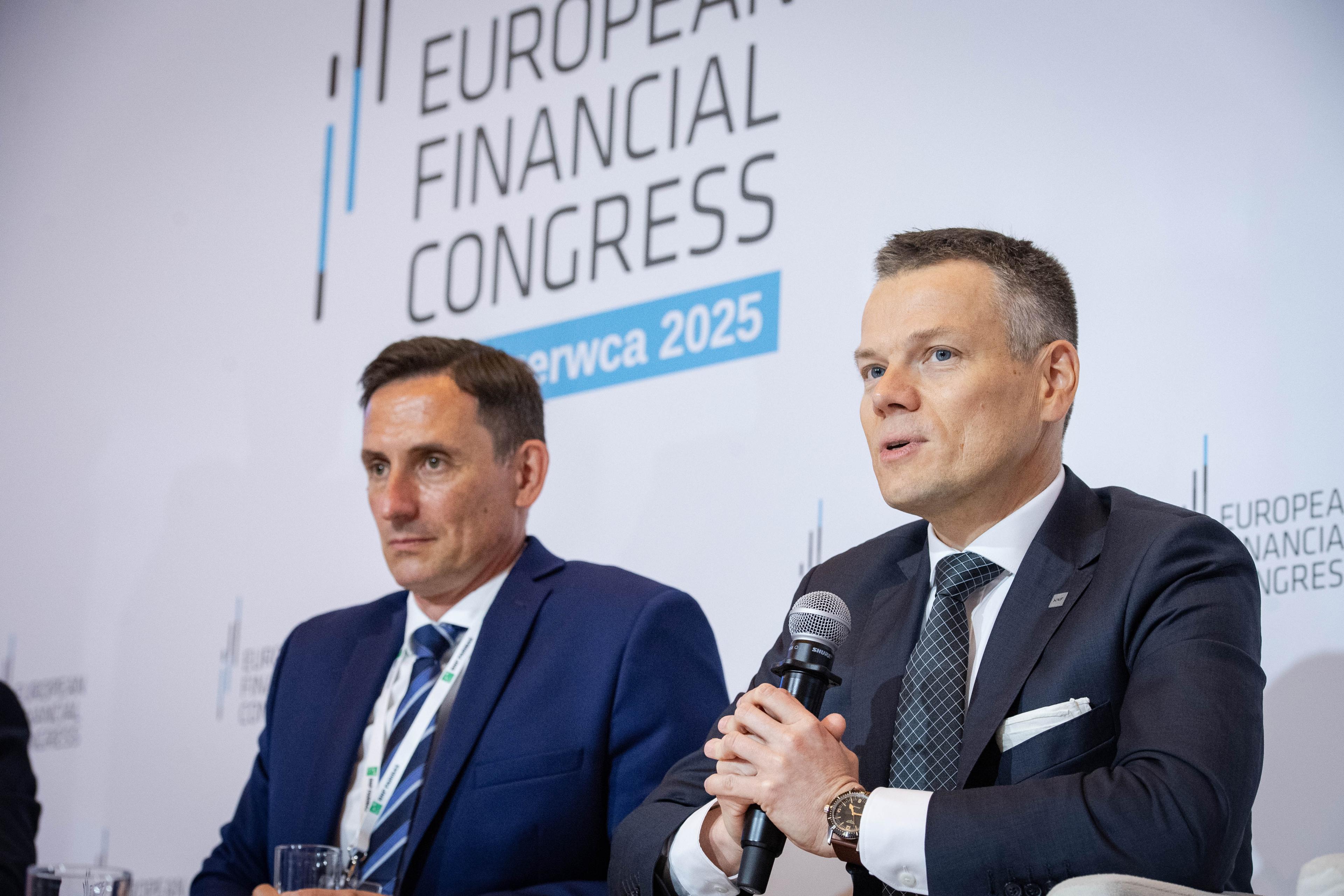
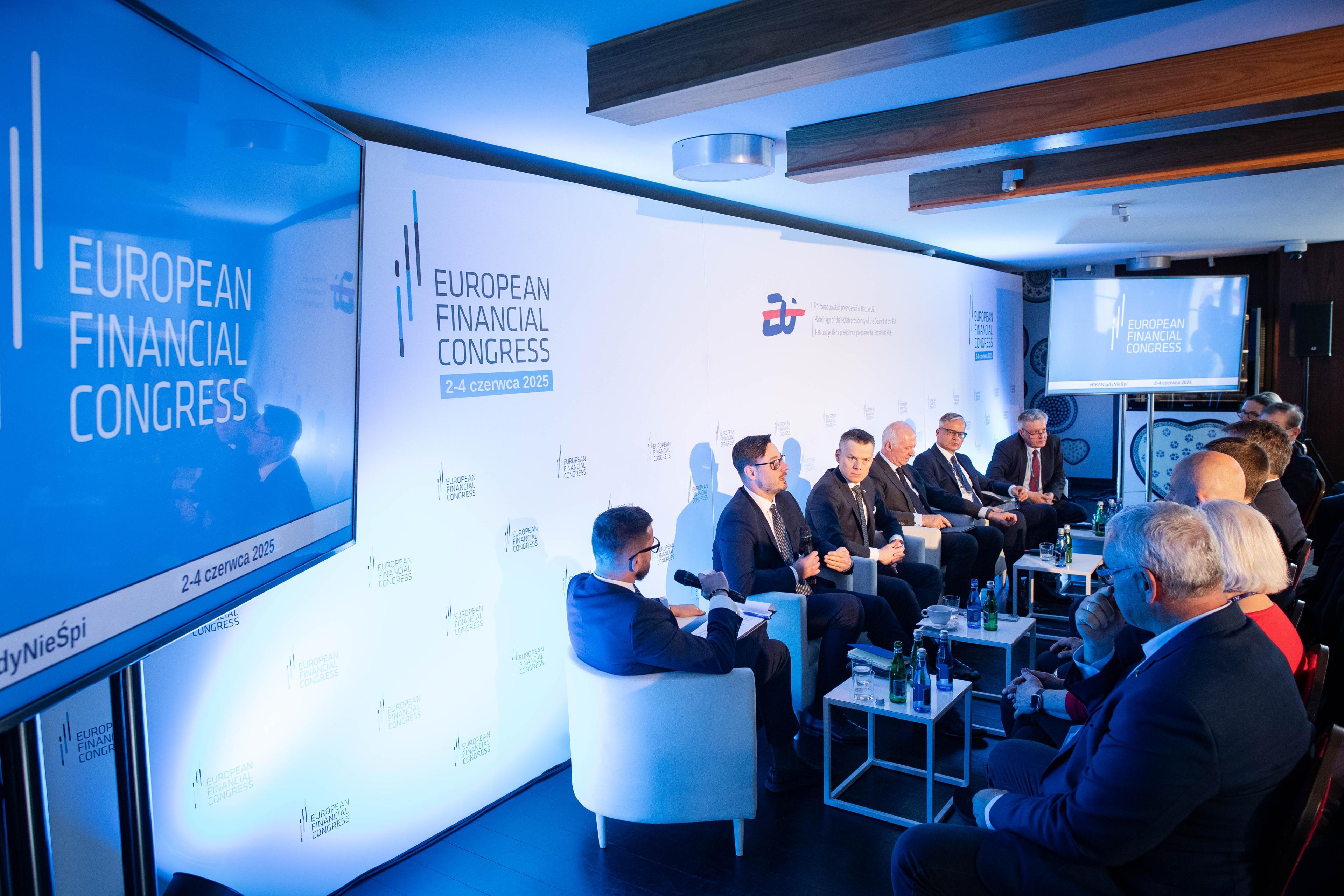
During the first day of the European Financial Congress (EFC), Jacek Jastrzębski took part in the following panels: ‘Does capital have a nationality?’, ‘The financial sector as an element of the security system’, and ‘A year of presidency. A year of breakthrough. A year of deregulation?’.
During the first panel, Jacek Jastrzębski said that a good example of the openness and attractiveness of the Polish market was the authorisation issued recently by Komisja Nadzoru Finansowego for Industrial Bank of Korea headquartered in Seul to establish a bank in Poland in the form of a joint-stock company styled IBK Bank Polska S.A. Jacek Jastrzębski said that it was an example of an investment from outside the European Union and the United States of America, with a clear strategic goal and a financial logic which has been verified positively under the KNF’s standard procedures. What helped the process was the Memorandum of Understanding concluded with the supervisory authority of the Republic of Korea.
Jacek Jastrzębski added that the starting point for the KNF’s assessment was the quality of capital and the reliability of the leading owner of the financial institution concerned. In a crisis, another important issue is the location of the decision-making centre, that is the place where all major decisions regarding the policies, for example the credit policy, are going to be made. If such decisions are made or determined essentially in other jurisdictions, they may ignore local circumstances. The role of a financial supervisor is to ensure that the banking sector properly fulfils its role in the economy. The preferred way to go is to carry on business based on a full Polish licence, which provides the strongest guarantees that the decisions regarding critical policies are to be made locally.
In the panel on deregulation, Jacek Jastrzębski said he was sceptical about the actual existence of ‘miraculous measures’ that could be a quick remedy for something that has been an issue for years. One should also distinguish deregulation from simplification, which does not involve abandoning general rules of procedures but rather simplifying them. He also mentioned that deregulation was a sine qua non of enhanced competitiveness and attractiveness of the market but it was certainly not a remedy that would bring the desired effect right away; what’s needed is a combination of regulatory and supervisory policies.