Multimedia - Komisja Nadzoru Finansowego

COMMUNICATION
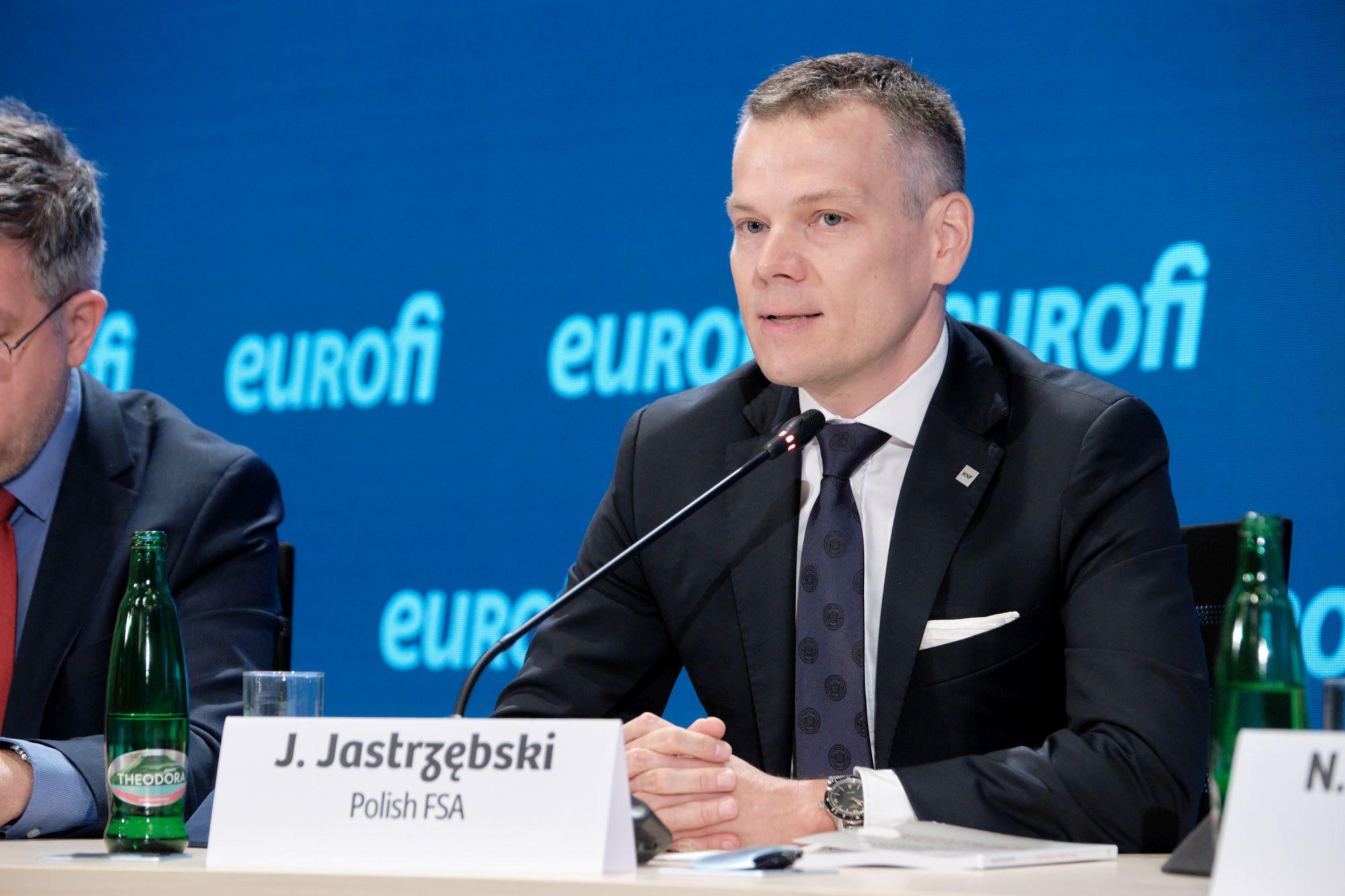
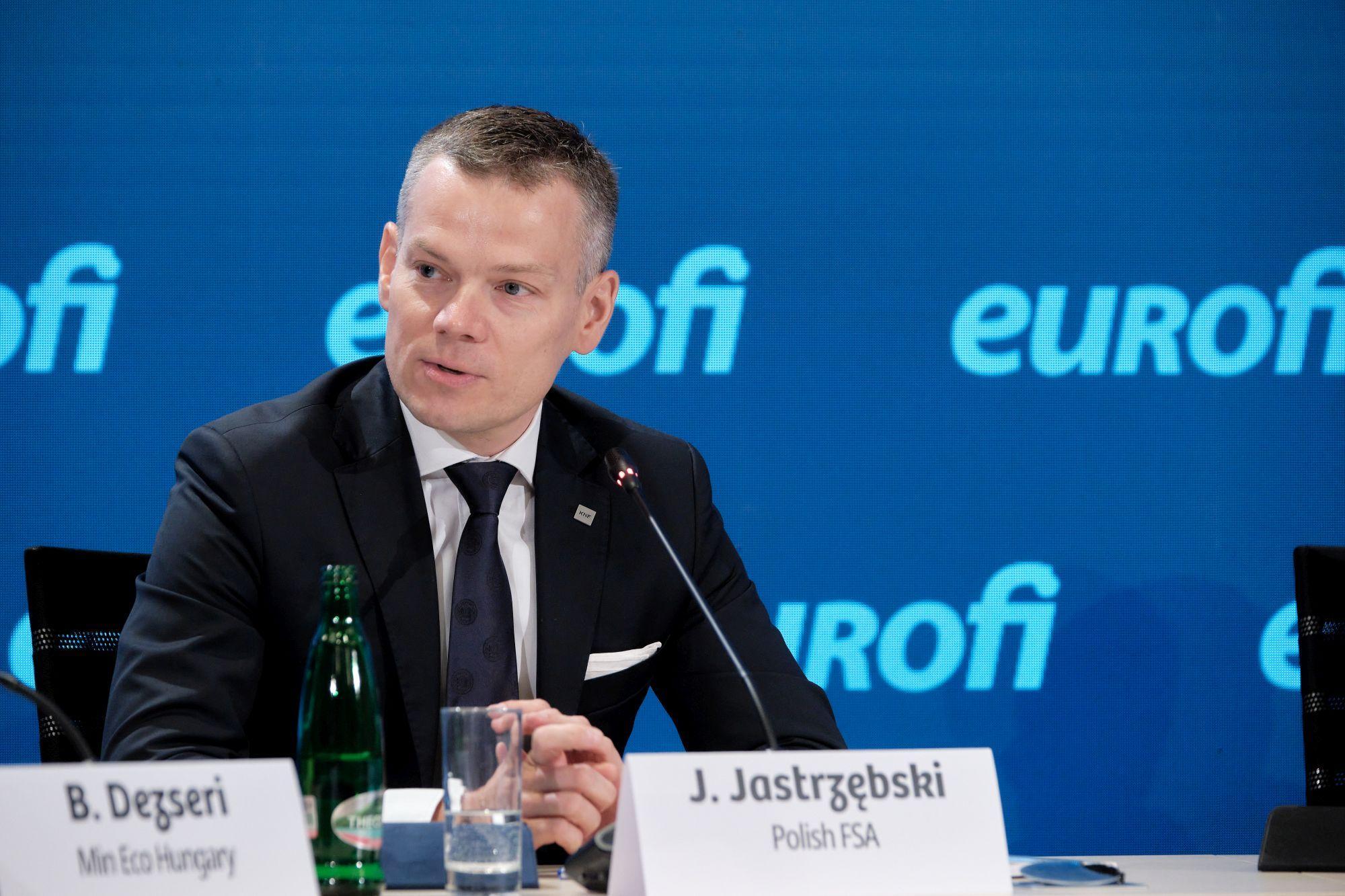
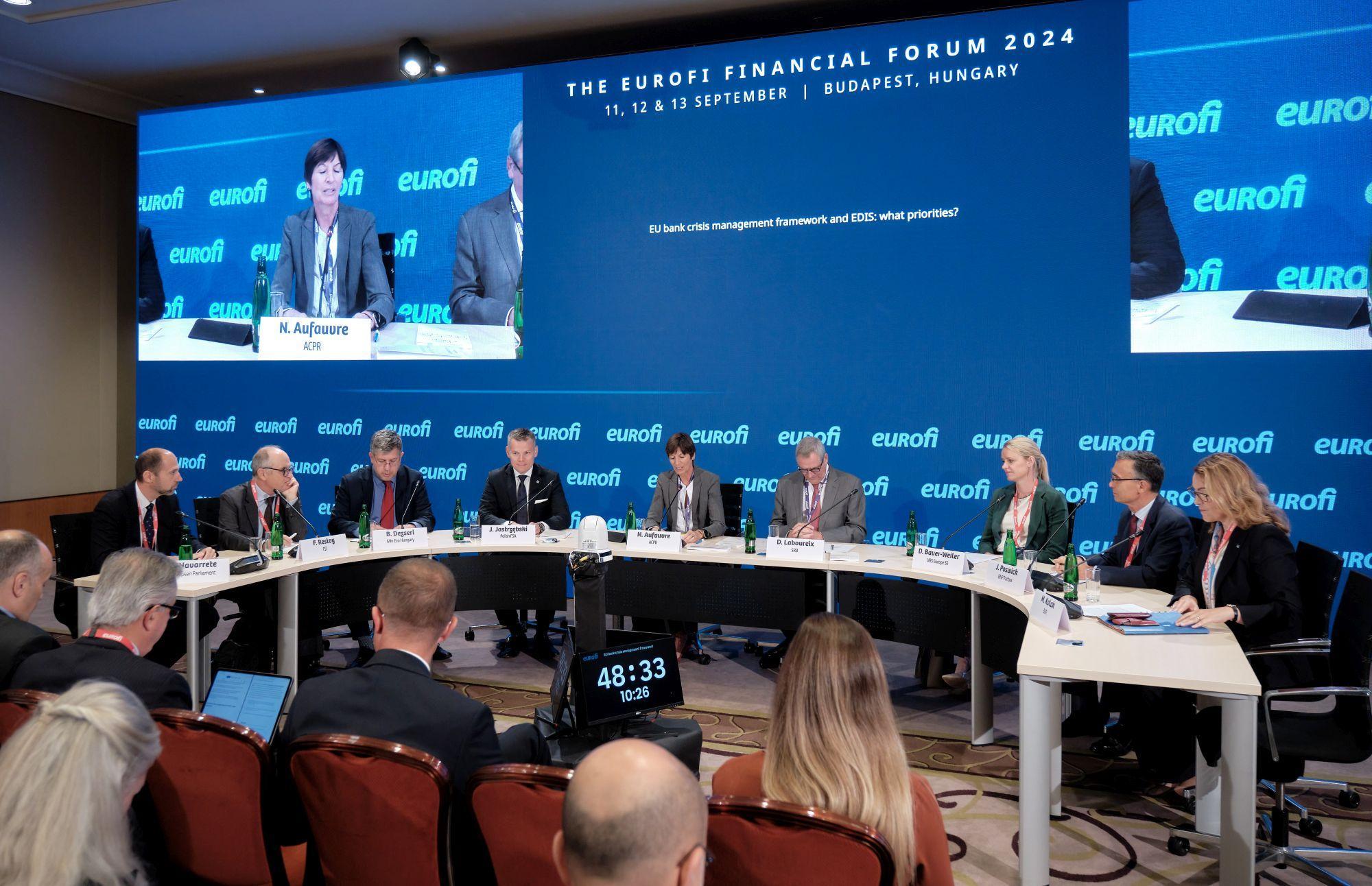
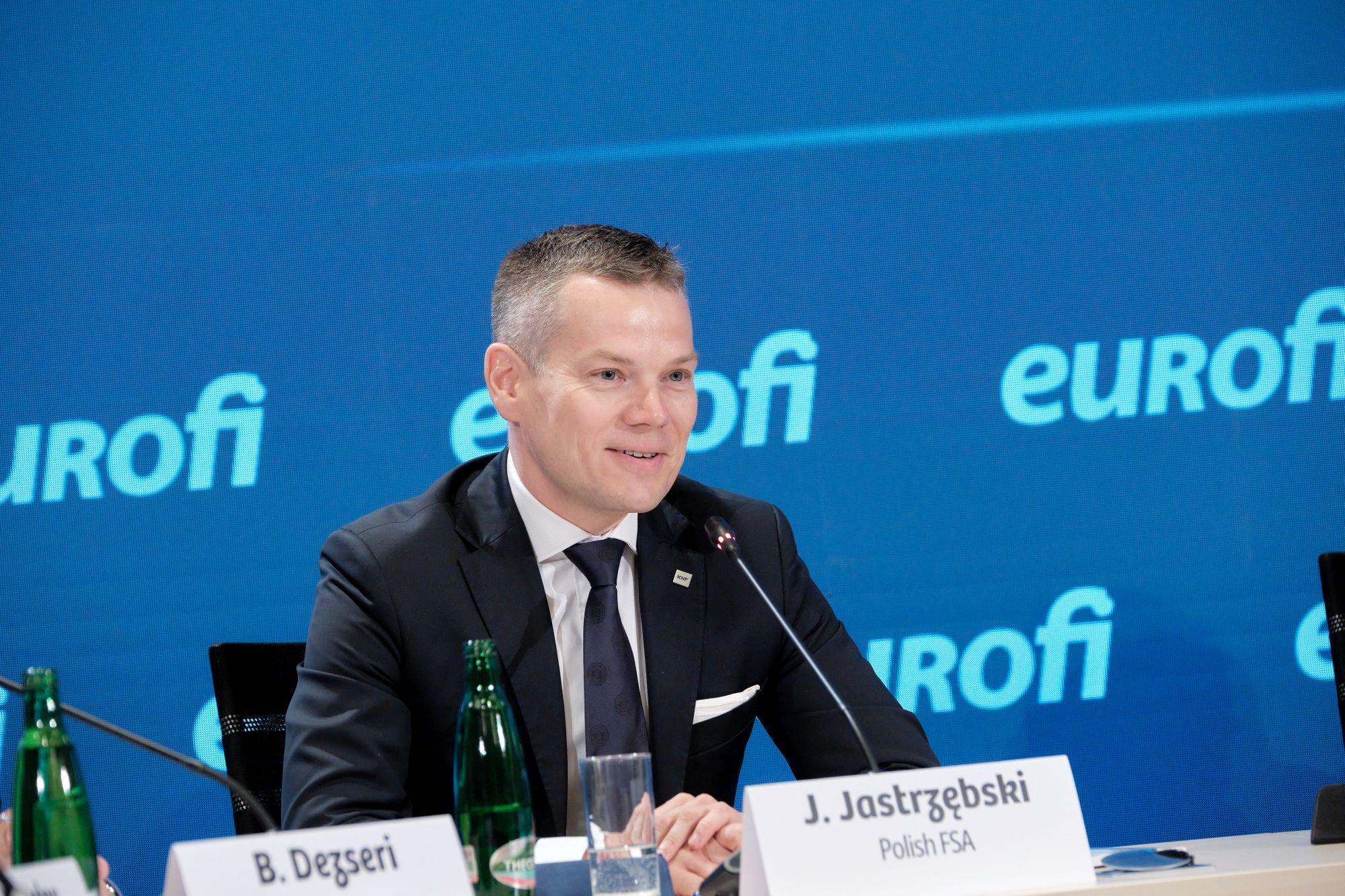
Jacek Jastrzębski took part in the 2024 Eurofi discussion panel
The Chair of the KNF said that over the last couple of years the Polish financial supervision authority has worked closely with the Bank Guarantee Fund, an authority responsible for the compulsory restructuring of banks, in relation to four such procedures conducted in the Polish banking sector. The Chair stressed that the banks being restructured included also two cooperative banks, and one of them was relatively small.
Jacek Jastrzębski emphasised that he supports an approach in which national resolution authorities and national supervision authorities should be given discretion in determining public interest and assessing threats to the stability of the banking sector arising from potential hardship faced by banks, including those operating on a regional or local scale. He said that it is inappropriate to rely only on the size of the bank. About 500 cooperative banks operate in Poland and, although some of them may not be relevant for the stability of the whole banking sector on a national level, many of them are relevant for the local environment. This is why the public interest assessment must also consider local conditions and the impact of potential failure of such a bank on the local business environment. The assessment of the risk of contagion is also important.
Referring to the decision-making process in compulsory restructuring, the Chair of the KNF pointed to the need for a pragmatic, rather than dogmatic, approach and the need to allow the competent authorities appropriate scope of discretion. He added that to make it happen, it is necessary to build the confidence in the competent authorities and to understand that they exercise their powers in good faith, guided by the need to preserve financial stability and minimise the use of taxpayers’ funds. Creating an overly granular and rigid legal framework, which excessively restricts the operational flexibility and discretion of the competent authorities, might lead to the failure to achieve the goals or even defeat the purpose of EU regulations, and to EU regulations being bypassed with non-harmonised domestic arrangements.
Another topic addressed during the panel was the issue of costs and financing of the resolution procedure for entities that may find it difficult to comply with the requirements for own funds and eligible liabilities (MREL) but do meet the public-interest and the lowest-cost criterion. In the context of the discussion, Jacek Jastrzębski said that the assessment preceding the decision on the resolution of such entities should not be seen in terms of the entities gaining unjustified benefit without bearing the costs of preparation for the resolution but rather as a form of taking care of the whole financial market and an effort to minimise the overall costs paid by the banking sector.
We recommend a paper by Jacek Jastrzębski titled Let us not overlook the small banks, which was published in the newest Views The Eurofi Magazine (p. 90): https://www.eurofi.net/wp-content/uploads/2024/09/views-the-eurofi-magazine_budapest_sept-2024.pdf