Multimedia - Komisja Nadzoru Finansowego

COMMUNICATION
Jacek Jastrzębski at Impact’24
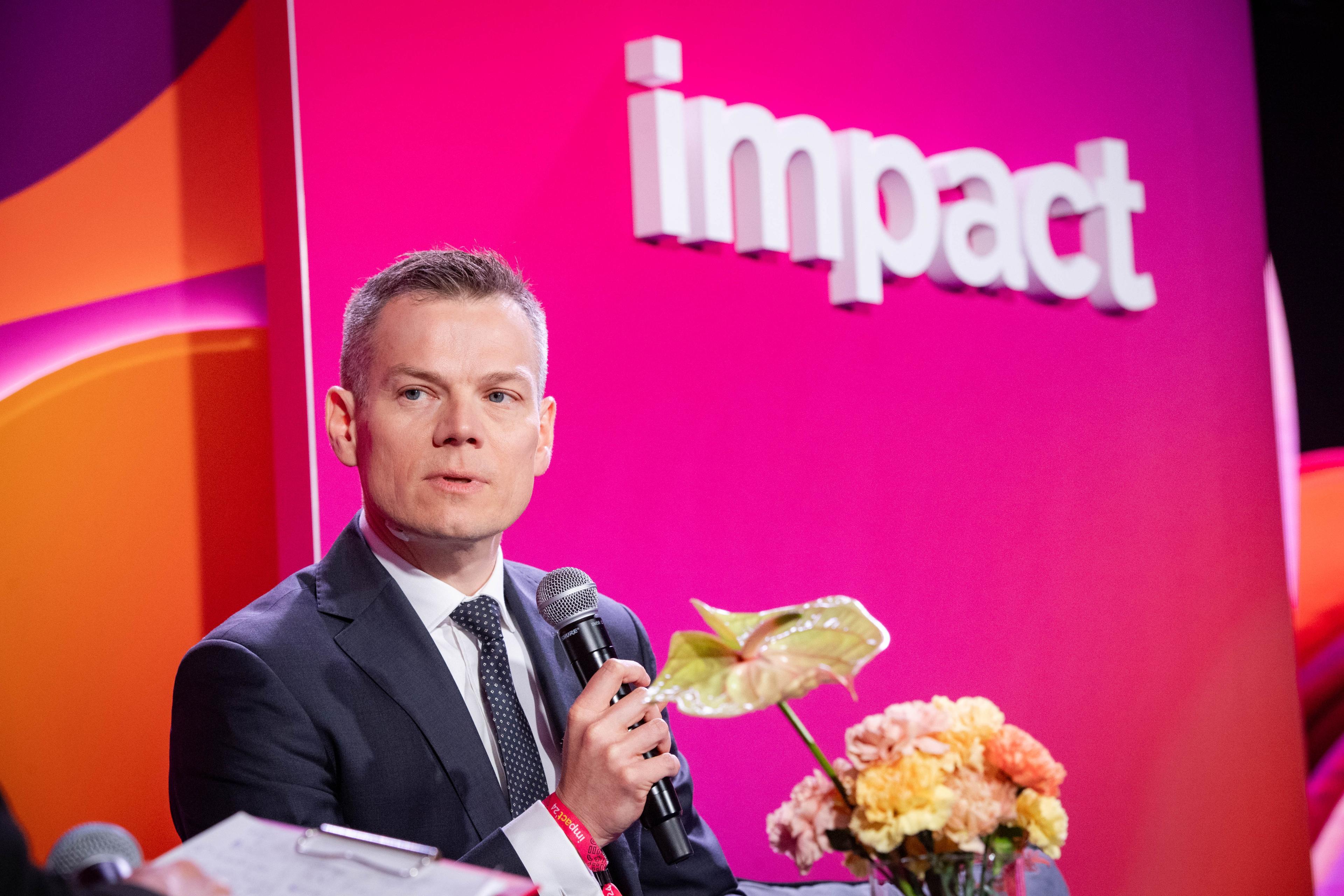
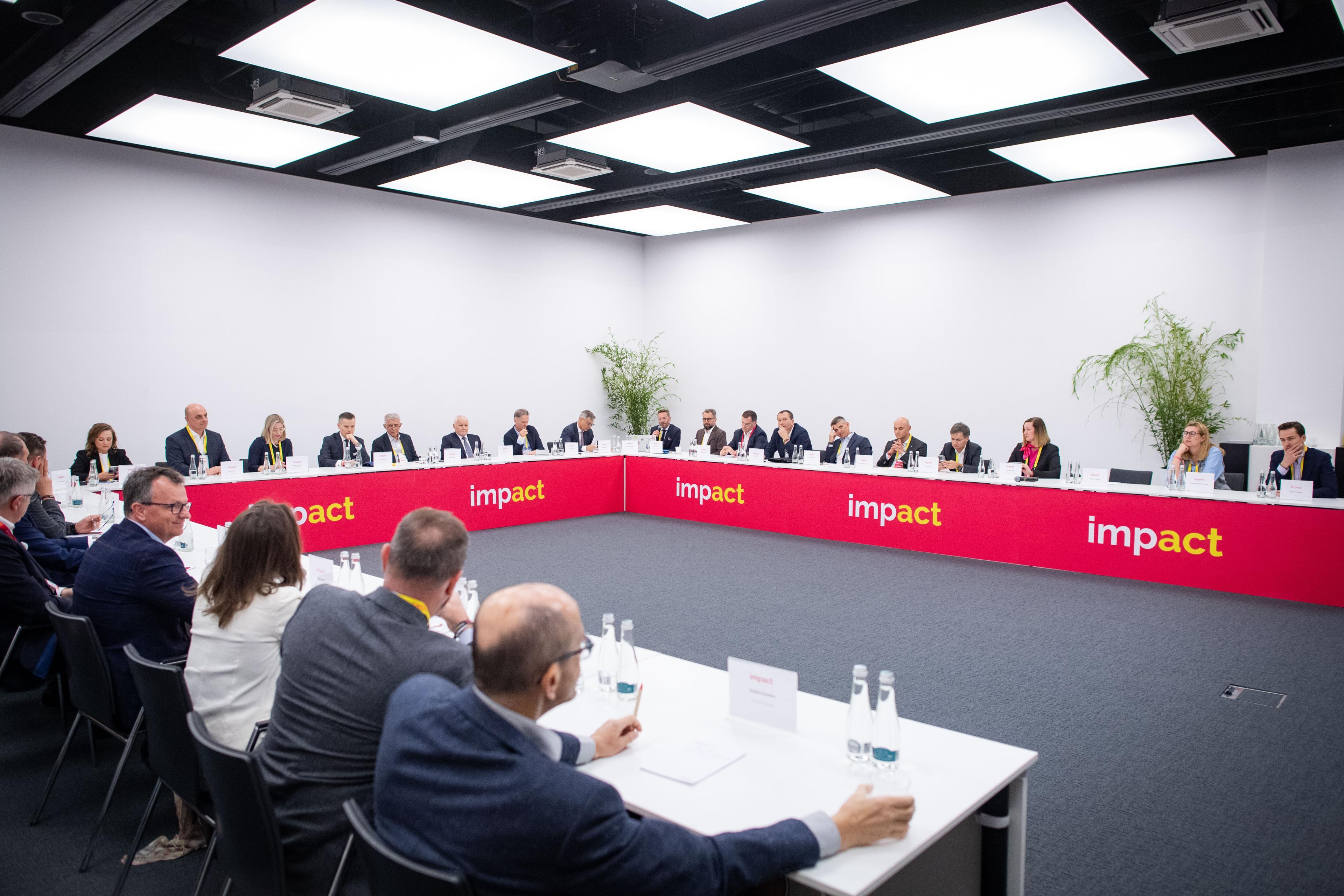
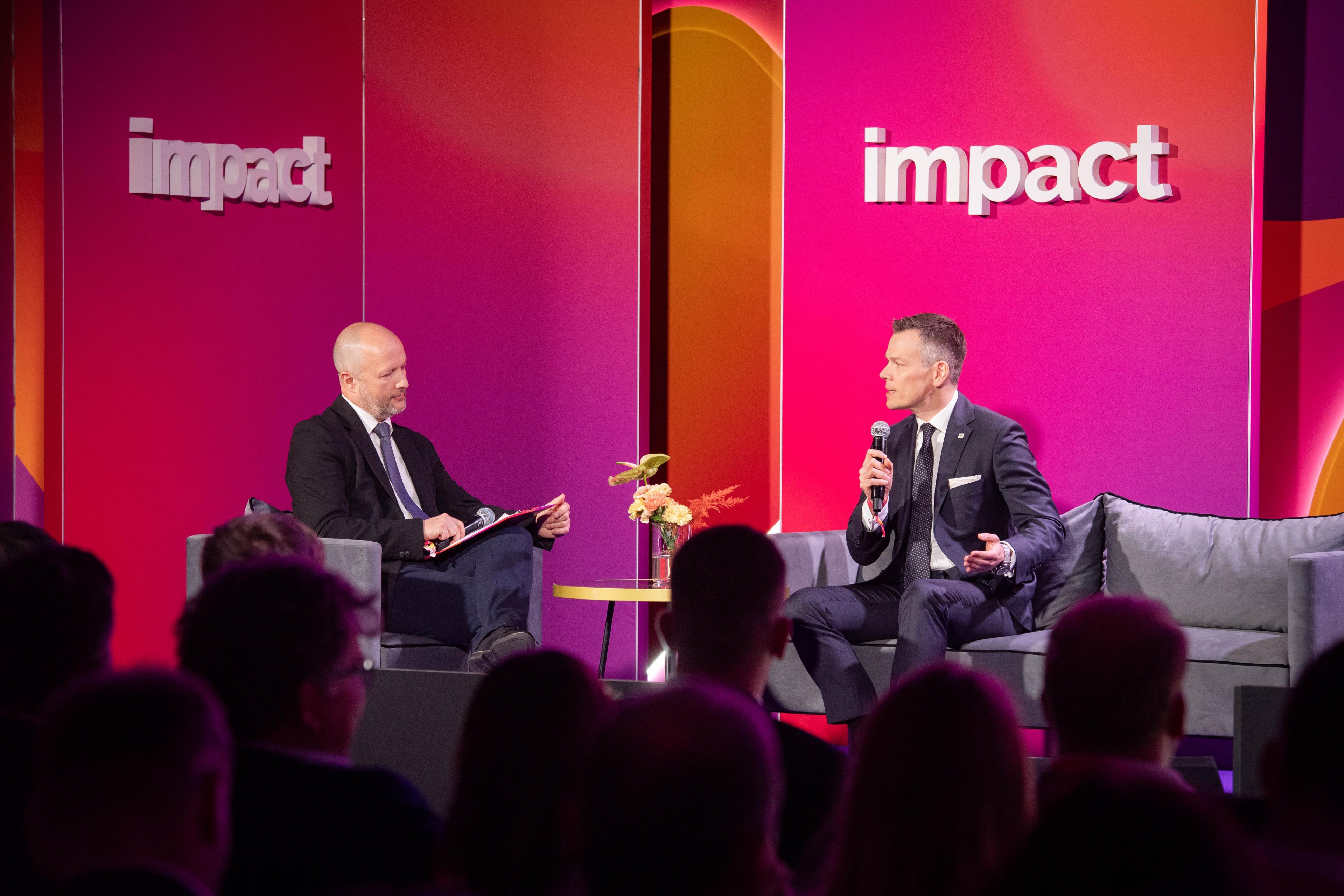
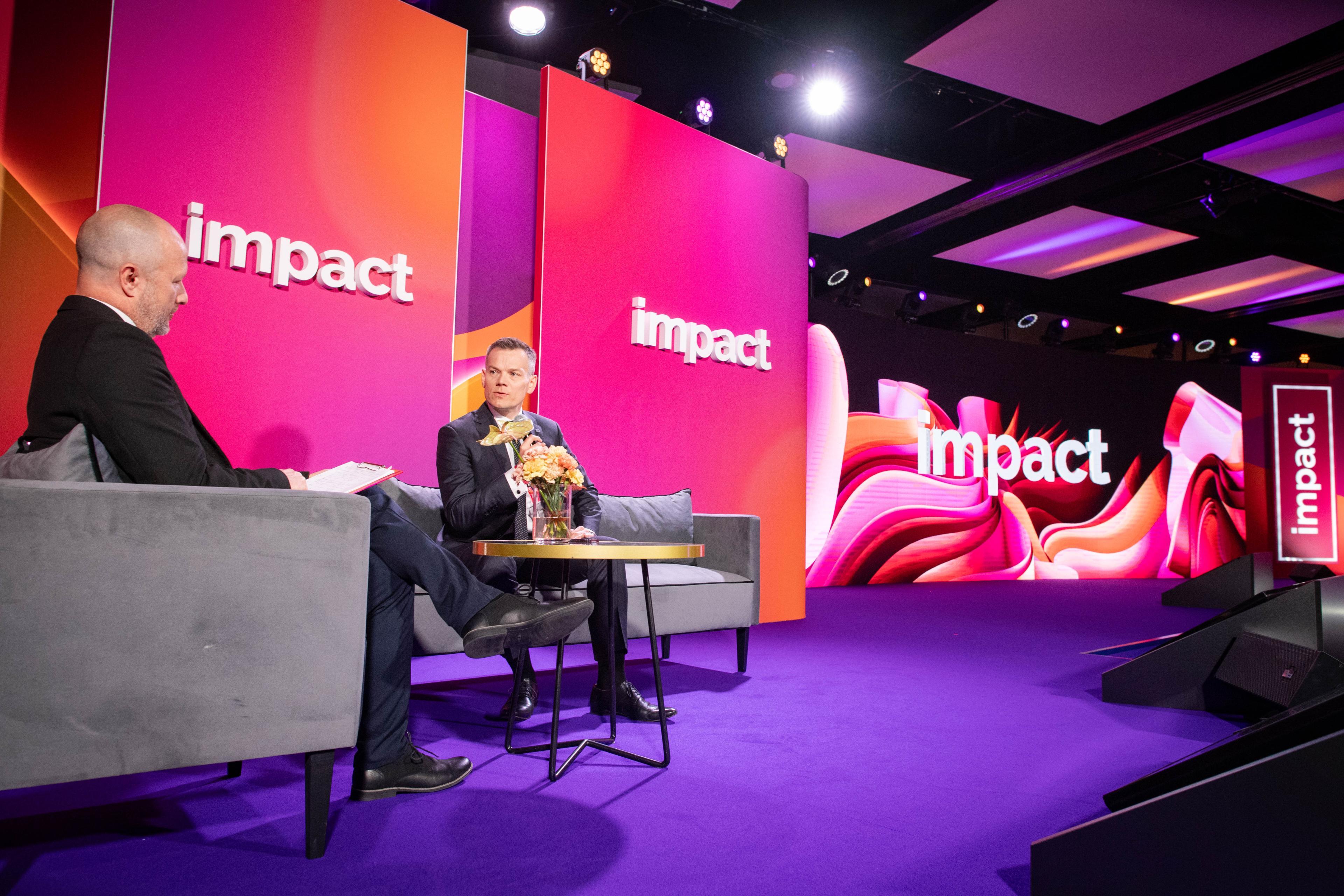
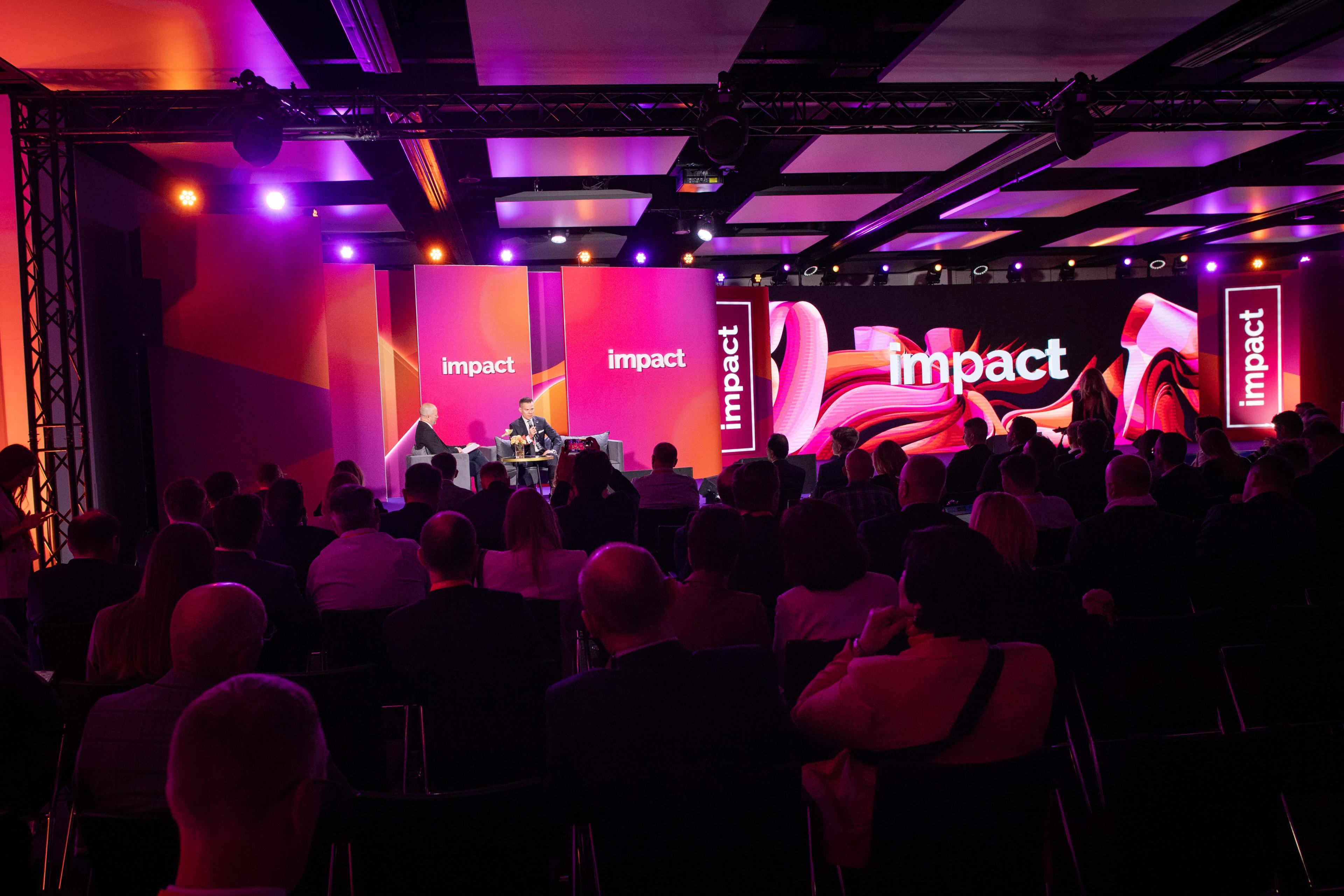
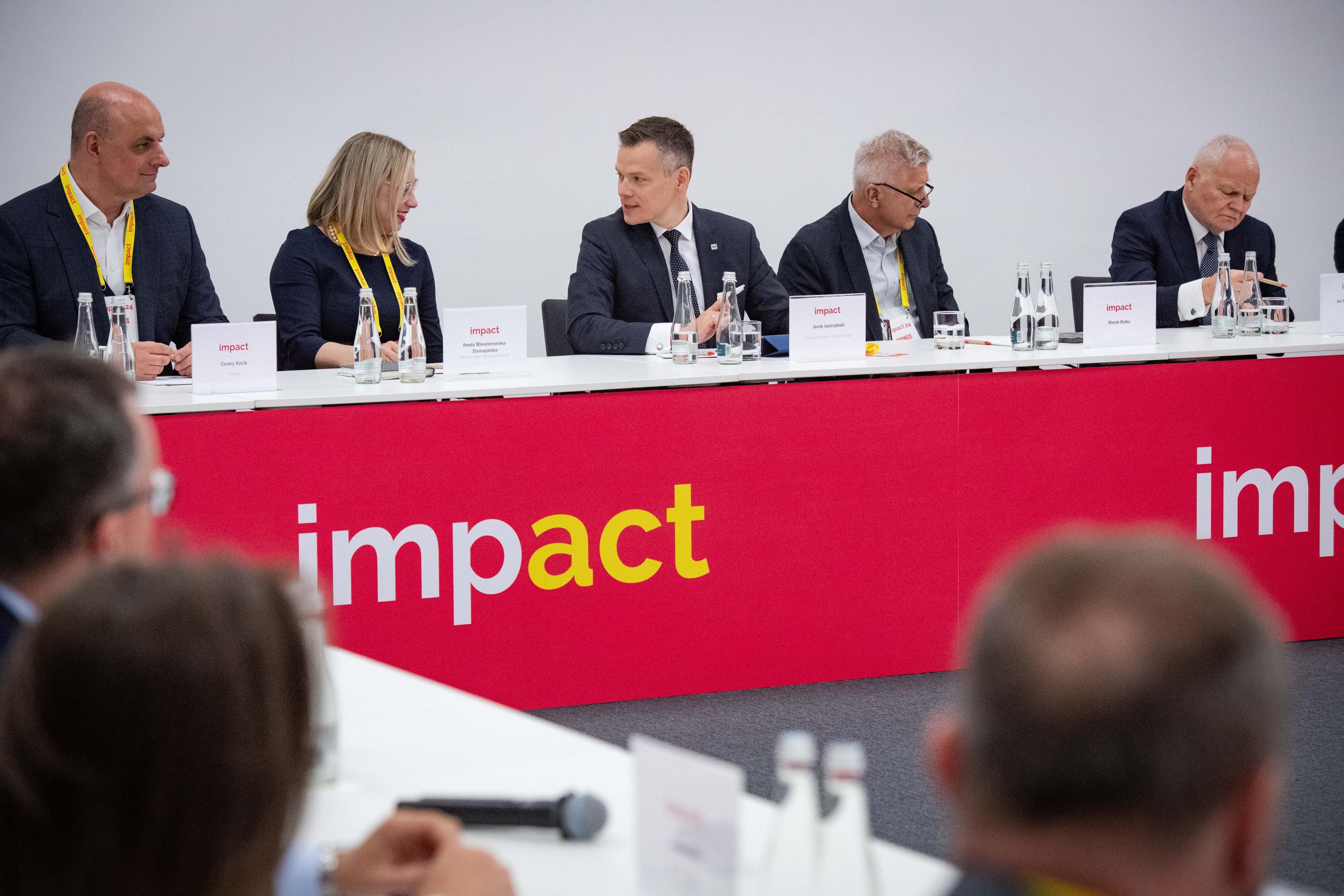
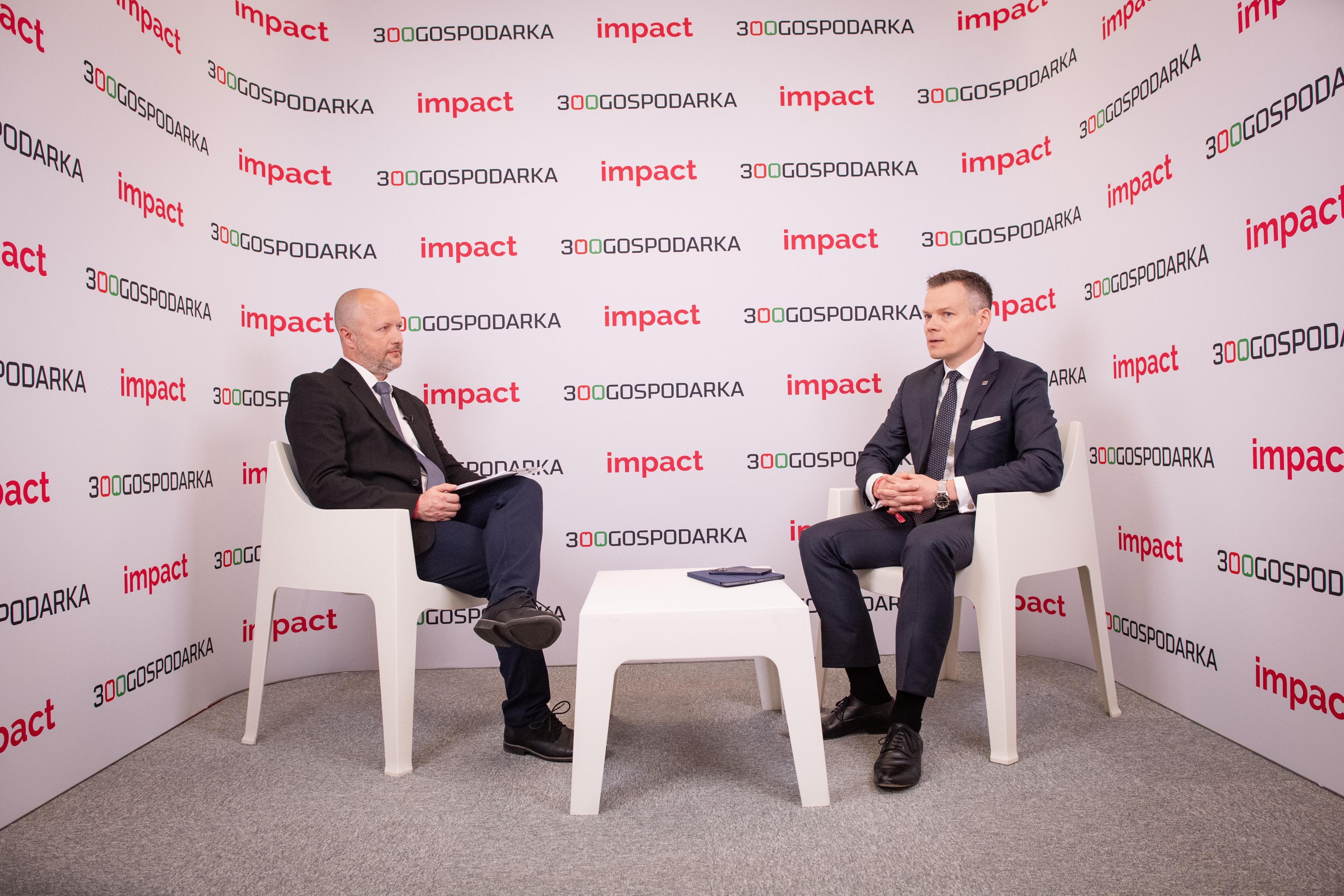
Jacek Jastrzębski, Chair of Komisja Nadzoru Finansowego, took part in a fireside chat titled ‘The role of the financial sector in financing the Polish economy: opportunities and challenges’ during the Impact’24 congress. The chat was moderated by Marek Chądzyński of the 300gospodarka.pl portal. The Chair of the KNF also participated in a ‘Roundtable Finance’ discussion which covered the latest developments and trends in the jurisprudence of the CJEU and of the Polish courts in the context of Swiss franc loans, attempts at mitigating this problem with the use of a tool which is settlement agreements with customers, as well as conclusions which the banks should draw from the Swiss franc loan case.
During the fireside chat Jacek Jastrzębski stated, among other things, that:
- the current dynamics of granting investment credits by banks is not satisfactory for the UKNF, the main problem, however, is on the side of demand for such credits and not on the side of excessive regulatory or fiscal burden as voiced by the banking sector representatives. The propensity of entrepreneurs to take out investment credits is low which is related to geopolitical uncertainty and waiting for a possibility of having own contribution financed with the EU funds;
- trust should be built in Poland as a place where safe long-term business planning is possible. The investment deficit can lead in the long-term to a decrease in the productivity of the Polish economy. The increase in the financing of defence spending is a must: oversaving on defence expenditure, regardless of the consequences it may have in the area of security, may result in losses in other areas of the Polish economy;
- there should be a change in the paradigm concerning the financing of defence expenditure from the point of view of the ESG criteria: maintaining peace should be treated as ‘sustainable’, while neglecting the defence spending, which leads to war, is not sustainable’;
- energy transition should be looked at in the context of energy sovereignty, not only of our country but also of the entire civilisational and cultural region;
- the main objective of the financial supervisor is to ensure that the financial sector is stable and safe and that the lending activity is carried out with respect for all the prudential rules. The supervisory authority is, however, declaring its full support to enable the banks to extend financing if good ‘bankable’ energy transition projects appear from the side of potential investors.
- the supervisor is ready to engage in the discussion on the banking tax: not with the aim of abolishing it but to talk about changing its formula to a one which favours specific categories of assets or specific categories of the banking sector’s activity;
- in order to make the Polish capital market more attractive for investors and issuers, the information efficiency of the exchange market should be increased, along with the effectiveness of the pricing mechanism, which is not ideal at the moment, while financial market participation costs should be decreased. In addition, the culture of risk acceptance should be built so that investors are aware of the fact that investing in the capital market means higher profit but also higher level of risk. Education might be of help here but it will not replace the basic feature which must characterise the market which is that it yields a profit.