Multimedia - Komisja Nadzoru Finansowego

COMMUNICATION
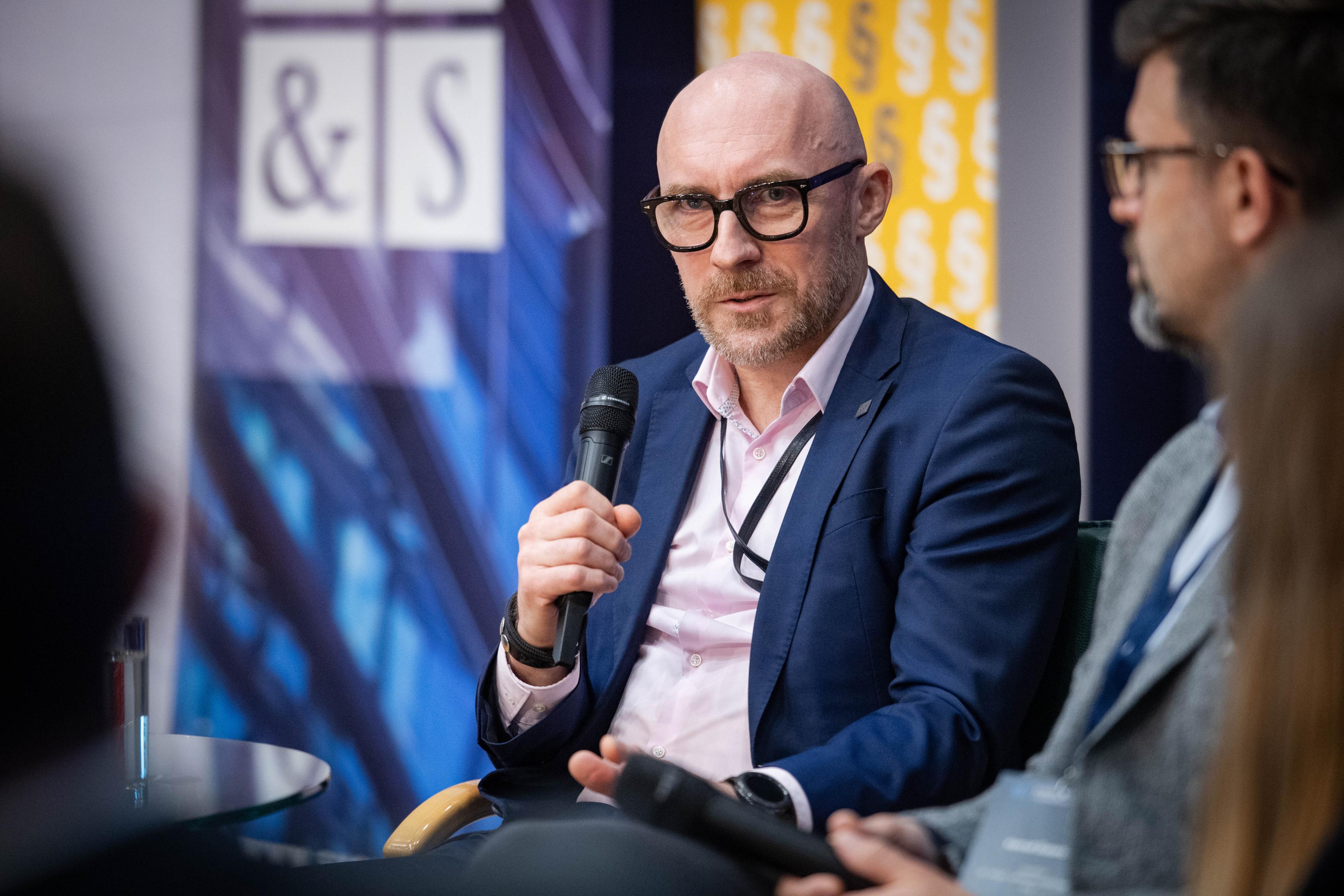
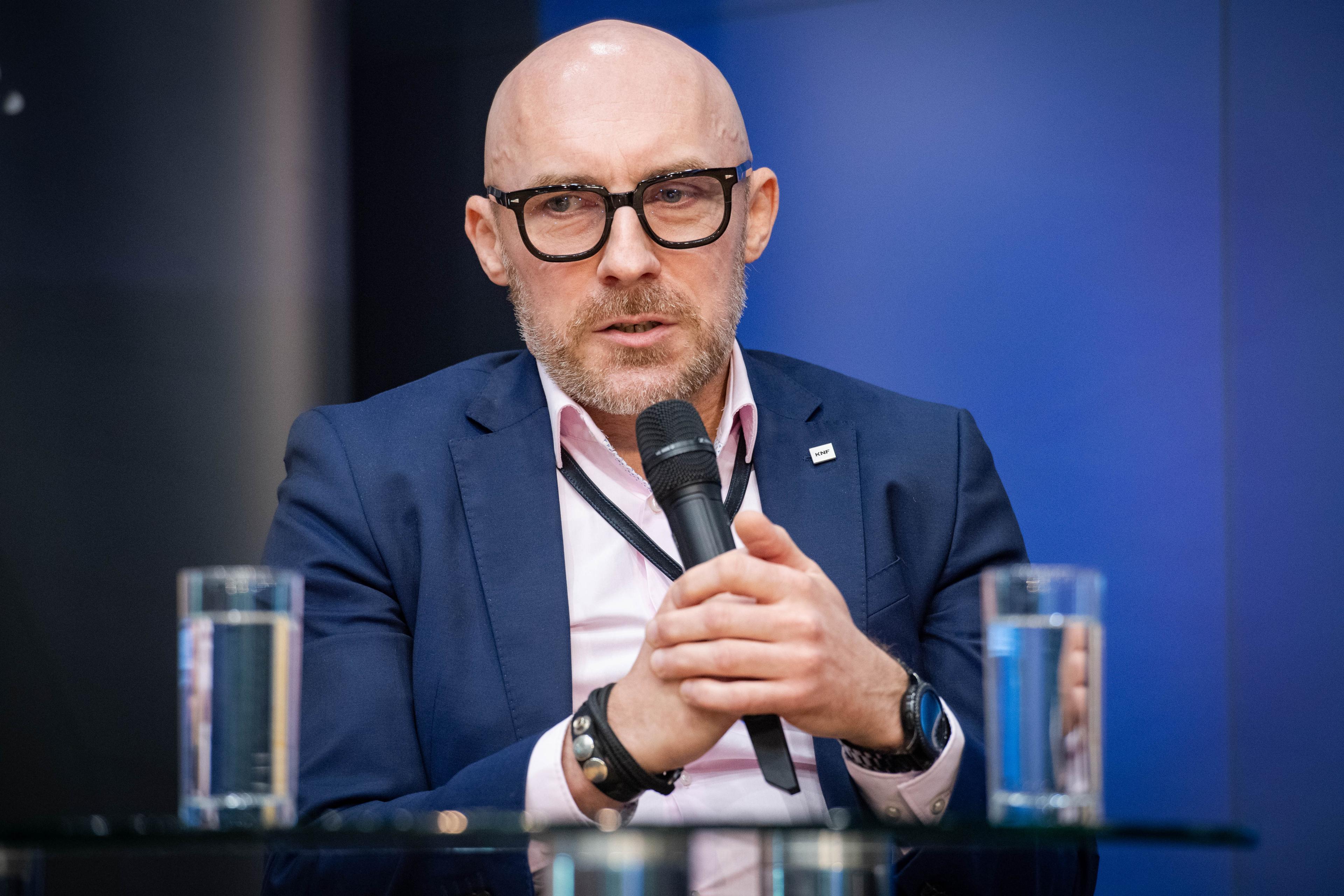
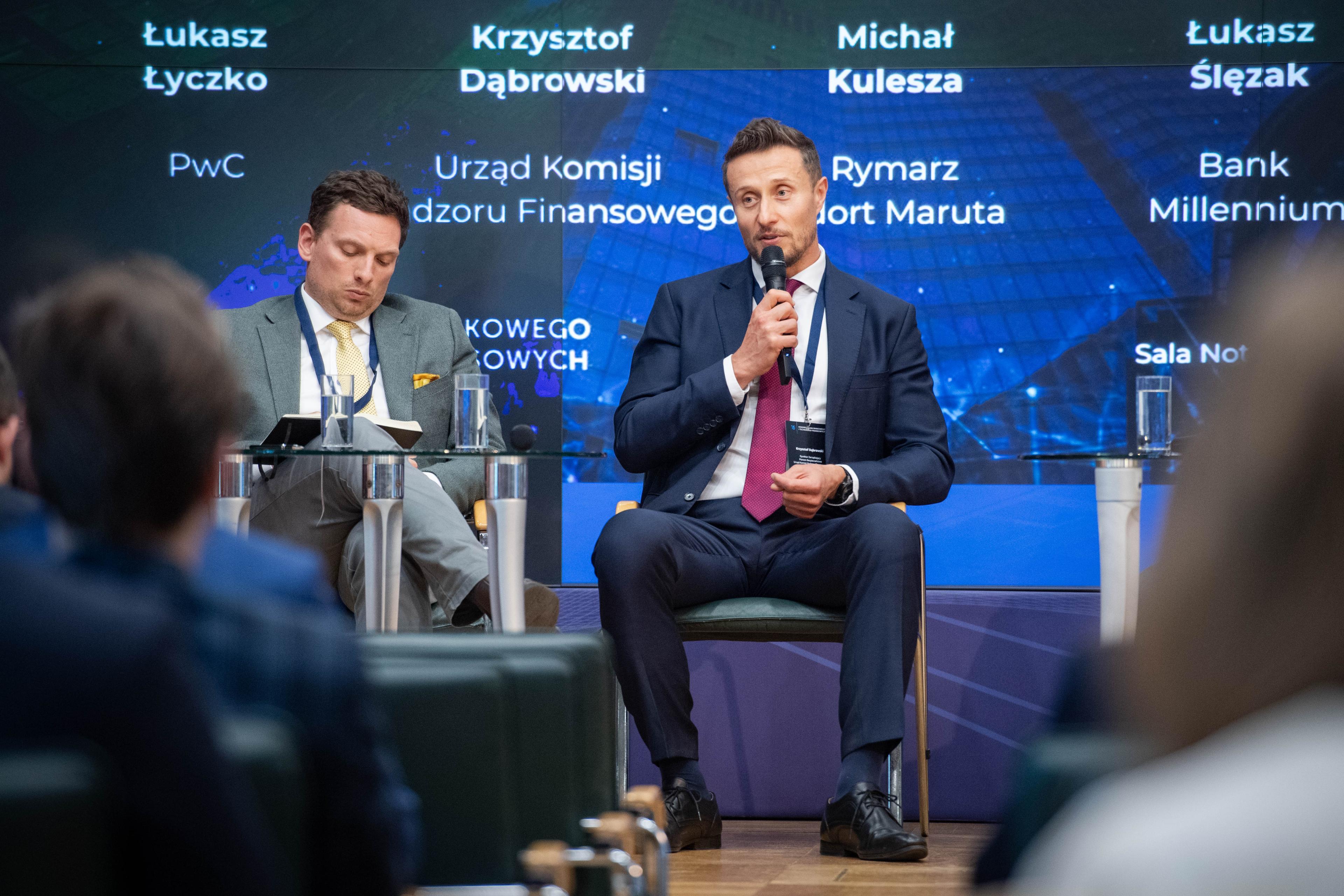
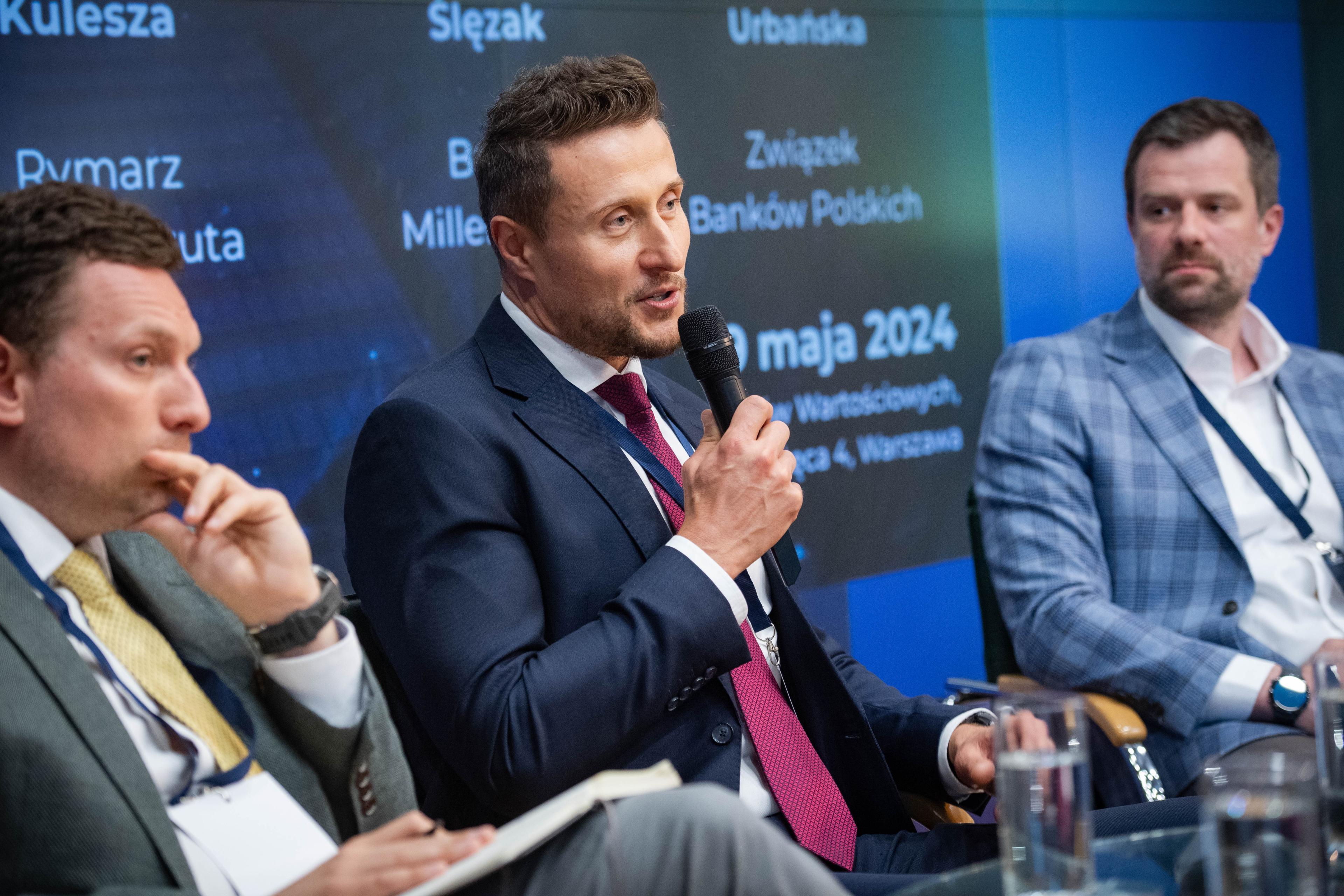
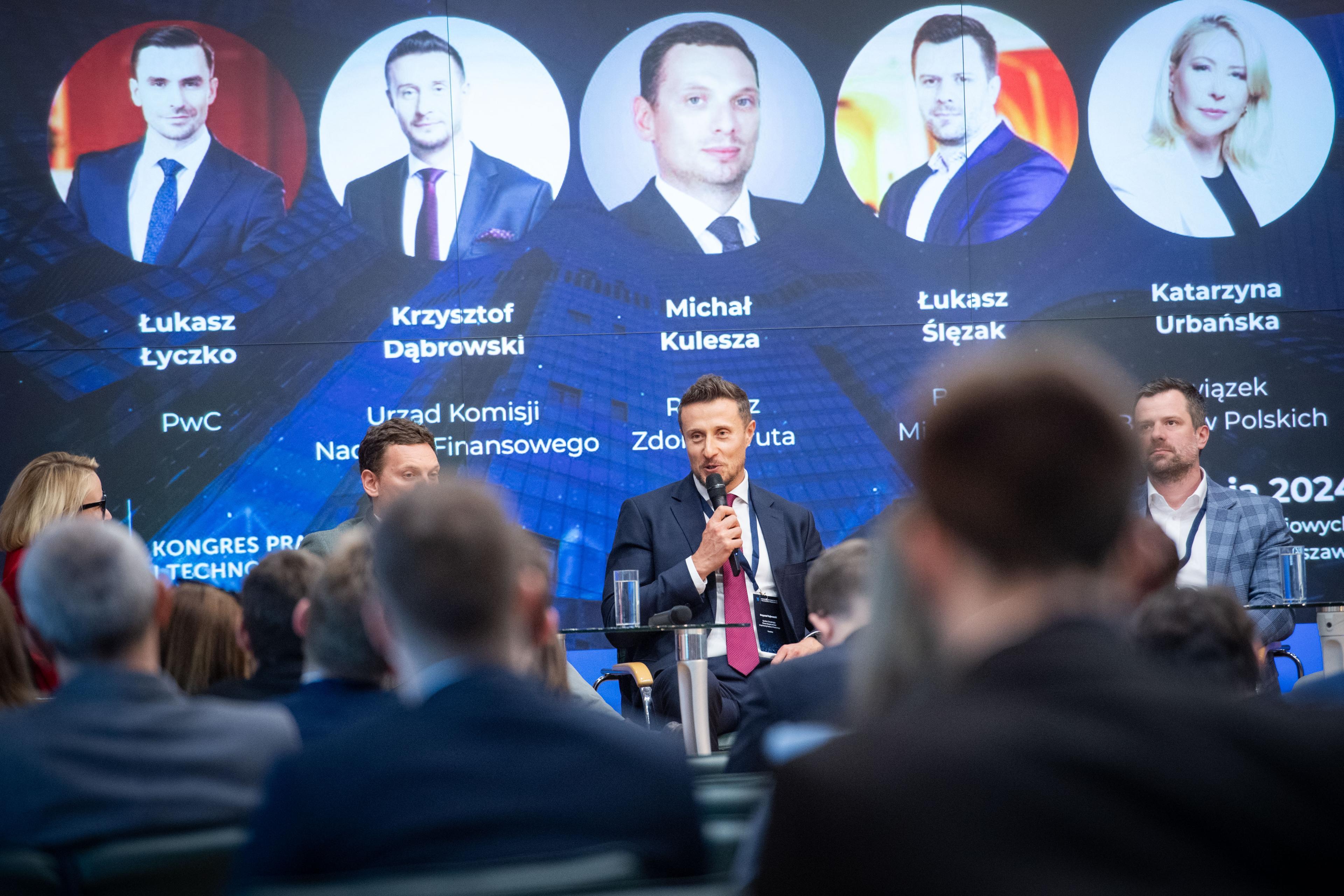
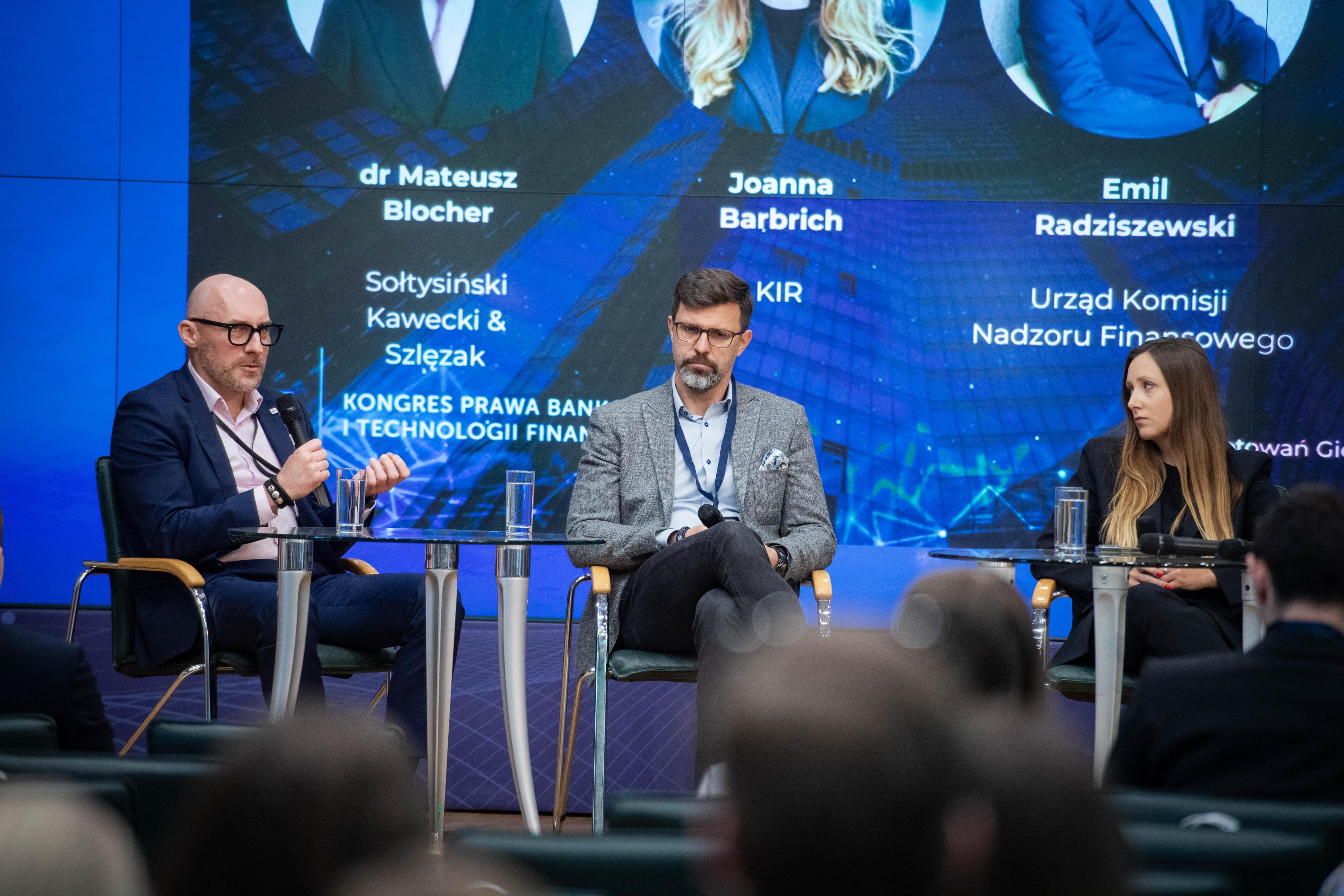
Emil Radziszewski, Managing Director of the Banking Supervision Division, and Krzysztof Dąbrowski, Managing Director of the Security Division, spoke at the 15th Congress of Banking Law and Financial Technologies. The event organiser is the Banking Law Students Association at the Faculty of Law and Administration of the University of Warsaw.
Emil Radziszewski took part in the panel ‘Unauthorised payment transactions: third time lucky. Where is the market going?’
As highlighted by Radziszewski, in the context of the issues related to unauthorised payment transactions, the problem are not the unauthorised transactions themselves but the crime related to deceiving individuals into authorising payment transactions, i.e. the authorised push payment fraud. Almost all transactions reported as unauthorised payment transactions are transactions which were made as a result of criminal activity. This is a problem not only for the financial market and service providers operating in this market but also – due to the wide use of electronic banking – for the general perception of safety and rule of law.
Due to the specific nature of the authorised push payment fraud, identifying the perpetrators and therefore prosecuting this type of criminal offences is an exceptionally difficult task. Therefore, the market should focus on prevention. The key mechanisms to apply in this area are education and information. Educational campaigns are, in my opinion, conducted well and at the right level, however, with this type of criminal offences their effectiveness is limited. By using social engineering methods and influencing emotions, the criminals induce their victims into making decisions impulsively, without any rational analysis. Even a person which has an appropriate understanding of these issues can fall victim to this type of fraud. This is why education, though very important, should be considered as the second pillar for fighting crime. What we should be focusing on is direct prevention of the said forms of crime’, Radziszewski stressed.
The procedure for dealing with unauthorised payment transactions is designed in such a manner as to motivate the payment service providers to use their operational, organisational and technological potential for early detection and prevention of attempts at committing the authorised push payment fraud. Service providers should balance two values which guide them in their business of offering payment products: user experience, i.e. the experience and comfort of the user, and safety. In particular, ‘similarly to the road traffic, where the majority of accidents happen due to the speed which is excessive in relation to the existing traffic conditions, in payment services the speed of service increases the risk of losing money. We should think about where we can limit the speed to increase safety’, Radziszewski said.
Krzysztof Dąbrowski spoke on a panel: ‘Technology trends as seen by the regulator. MiCA, DORA, AI Regulation and what else?’.
When mentioning the challenges and costs resulting from the necessity to adapt to new regulatory requirements, Krzysztof Dąbrowski said one should not overlook the reasons behind their creation or forget about the benefits from their entry into force to market participants.
He reminded the audience that the financial market would not exist or, even more so, develop, without the trust of the customers who entrust their money to professional institutions, because these institutions, by managing risks and using the opportunities, can minimise losses, maintain value and even generate profit. One may say that for this reason the financial market is regulated relatively strongly compared to the other sectors of the economy, due precisely to the need to maintain that trust.
For the last dozen or so years, the financial market, and especially the banking sector, has successfully undergone a revolution related to digitalisation of both relations with customers and internal processes. One may even risk a hypothesis of a dependency on digital technologies . Taking into account the massive scale of the use of technologies at financial market entities and the emergence of the related specific risks, the impact of the ICT risk on the stability of entities and entire sectors is growing significantly. In such a reality, the cybersecurity and cyber resilience regulations become an important tool for maintaining the stability of the market and the customers’ trust and for creating an environment for balanced and sustainable growth.
The application of DORA means not only a greater harmonisation of regulatory conditions across the EU Member States but also a simplification of the sector’s current legislative landscape in the Polish backyard , characterised by a number of applicable soft law instruments, such as recommendations, guidelines or communications’, Dąbrowski said.