Multimedia - Komisja Nadzoru Finansowego

COMMUNICATION
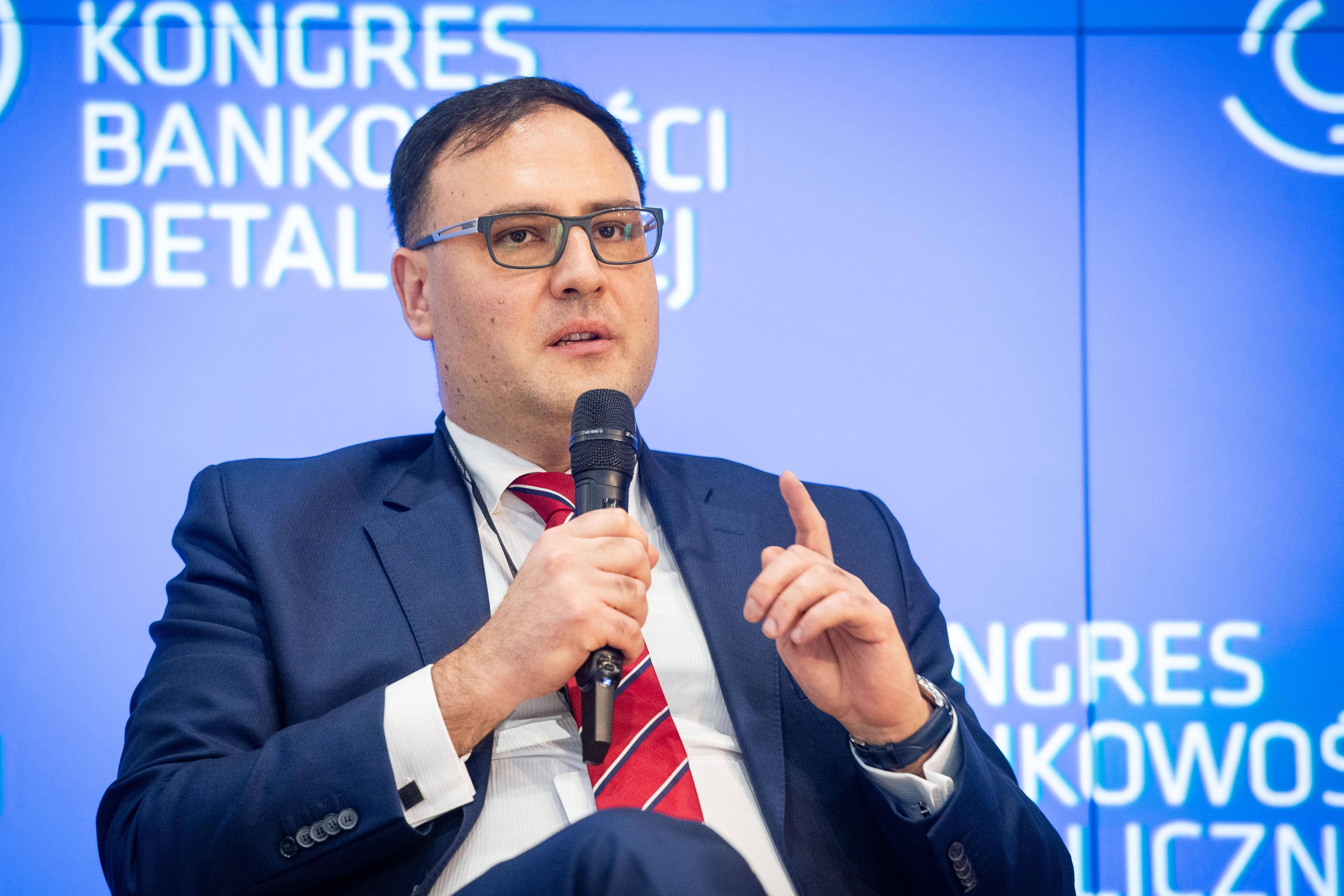
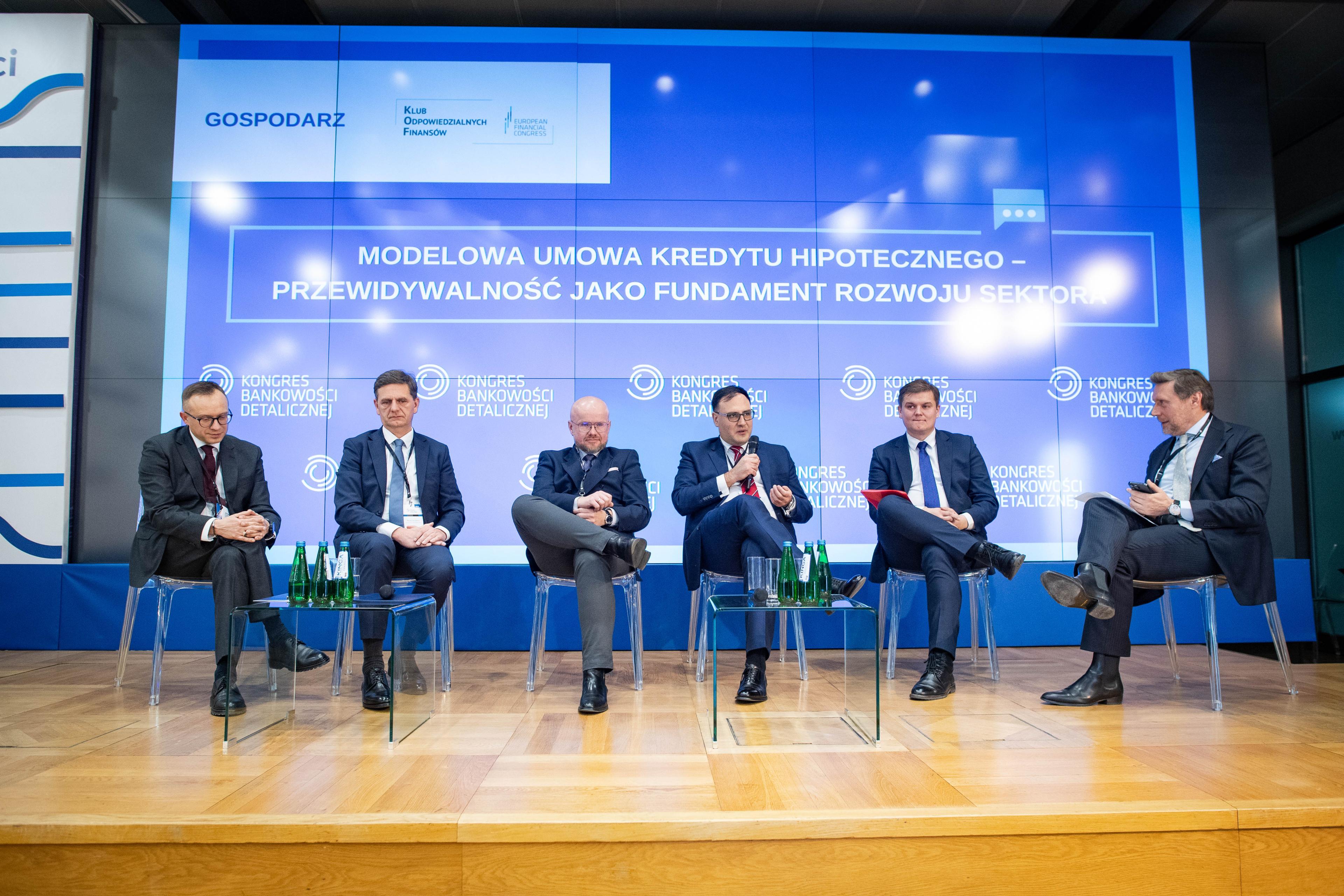
Łukasz Machalski attended a panel on the model mortgage loan contract
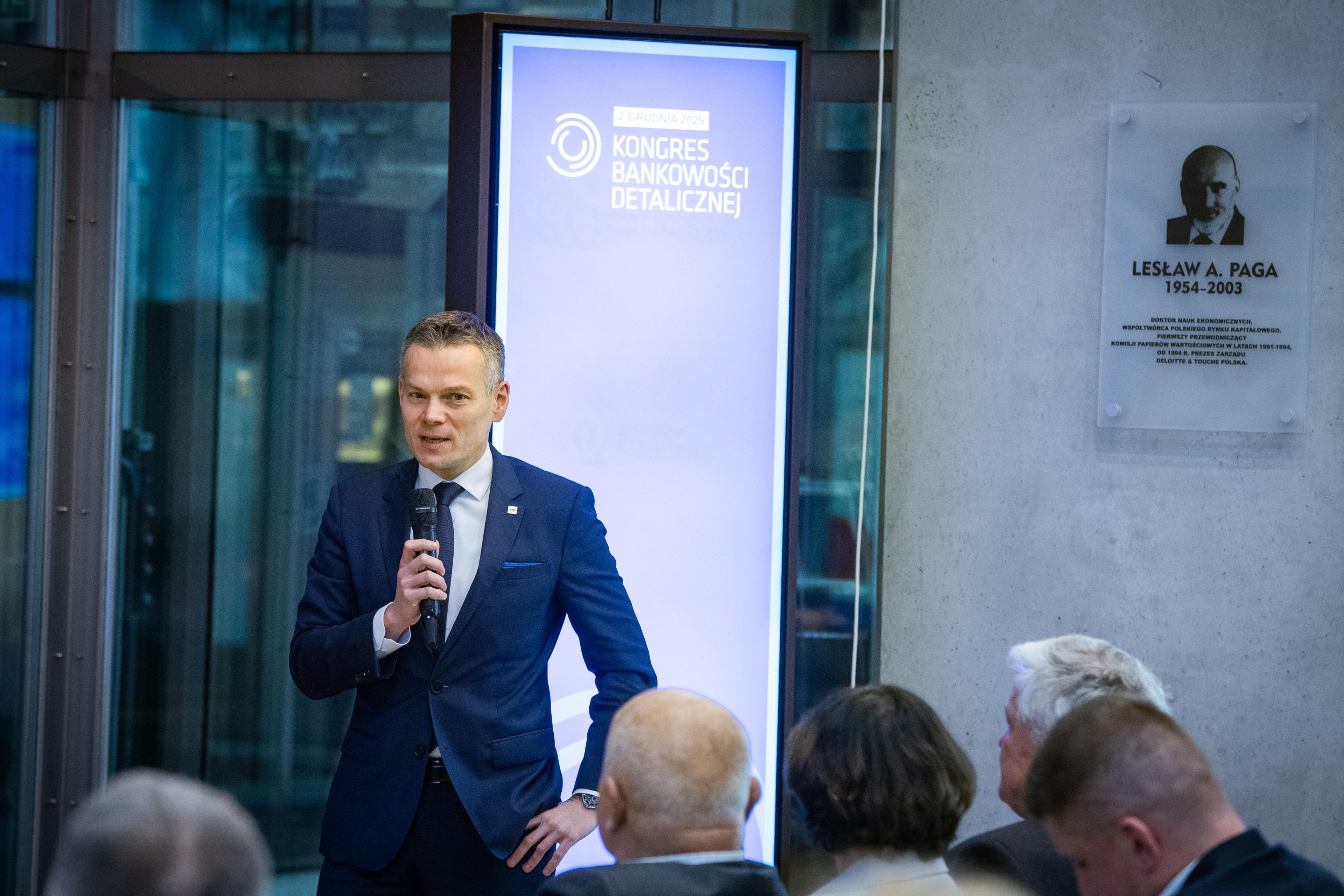
Łukasz Machalski, Director of the Legal Department of the UKNF attended the panel titled ‘Model mortgage loan contract: predictability as the foundation for development of the sector” at the Retail Banking Congress held by the European Financial Congress. The panel on conceptual work related to the model mortgage loan contract was summarised by Jacek Jastrzębski, Chair of the KNF.
Łukasz Machalski pointed out that the contemporary legal environment led to a situation in which some customers strived for questioning their binding, long-term liabilities, both under historical foreign-currency loans and PLN loans. ‘As the supervision authority, we are looking at the market above all from the perspective of Article 2 of the Act on financial market supervision, which stipulates that the aim of the supervision authority is to ensure the security and stability of the financial market and the protection of the interests of market participants. The protection should be understood broadly and cover all market participants, not only a selected group of consumers. Currently, we are witnessing a situation in which a selected group of consumers enjoys quite a strong protection under the judicial case-law and, to a large extent, due to the case-law of the CJEU. The protection is so strong that, in my opinion, it goes beyond the limits of civil law, and one group of market participants uses it to question their long-term liabilities,’ Łukasz Machalski said.
He indicated that the growing scale of disputes, including the instrumentalisation of free credit sanction, generates challenges related to legal risk that the sector needs to manage properly. The costs of managing the risk in question translates into prices and service availability for all customers. From this perspective, as he emphasised, the model mortgage loan contract is a necessary response to challenges related to the need to handle legal risk appropriately. The model contract is a solution that strikes a balance between interests of parties, fosters predictability and supports security of the financial system. He has underlined that the supervision authority declares it supports initiatives aimed at introducing greater predictability and certainty in the legal market. As a result, he expressed the supervision authority’s support for the initiative of the model mortgage loan contract, which may be treated as an element that strengthens the stability of the market and the protection of broadly understood market participants.
When wrapping-up the panel, Jacek Jastrzębski, Chair of the KNF, referred to the process of working on the model contract and underlined its civilisational value. In his opinion, the model contract is more than just a tool to reduce legal risk: it is a solution that may significantly improve customer experience, in particular for those who take out a loan for the first time. Although banks have made great progress in simplifying the language and readability of documents in recent years, it is the common industry model that can be a qualitative step forward. It will enable customers to compare offers, it will lower the threshold for entering a loan process and it will enable banks to compete not only by price but also transparency and customer service standards.
Jacek Jastrzębski pointed out that the model contract may be implemented by the market organically. The declaration of the largest bank in Poland that it is ready to implement the solution may, in his opinion, cause a domino effect, forcing the adaptation by other institutions. A bank that will not be using the model risks the comparison of a contract it applies against a document recognised as the industry’s standard, and any differences may be a starting point for legal disputes. As a result, market forces themselves may contribute to the take-up of the new standard, making it an element of competitive advantage.